


Cancer Immunotherapy Market Size 2026-2030
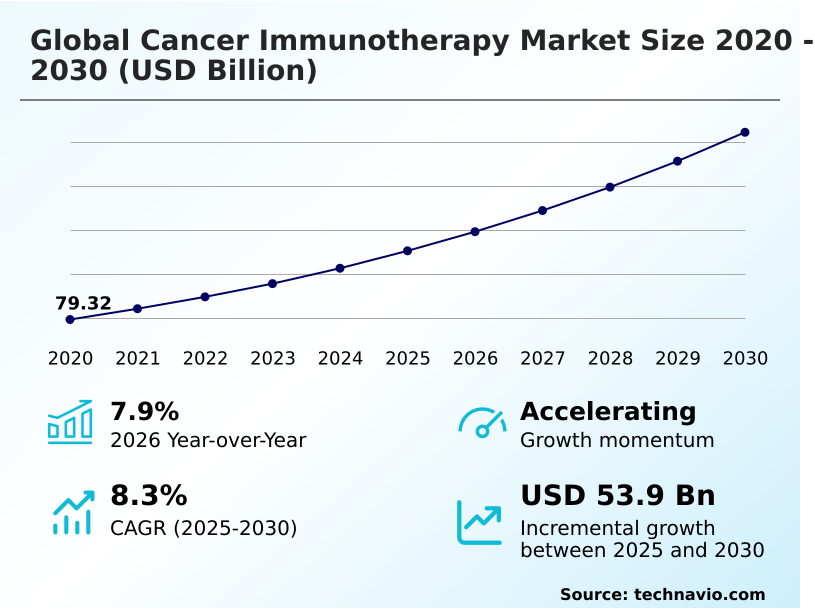
The cancer immunotherapy market size is valued to increase by USD 53.90 billion, at a CAGR of 8.3% from 2025 to 2030. Expanding regulatory approvals for combination therapies will drive the cancer immunotherapy market.
Major Market Trends & Insights
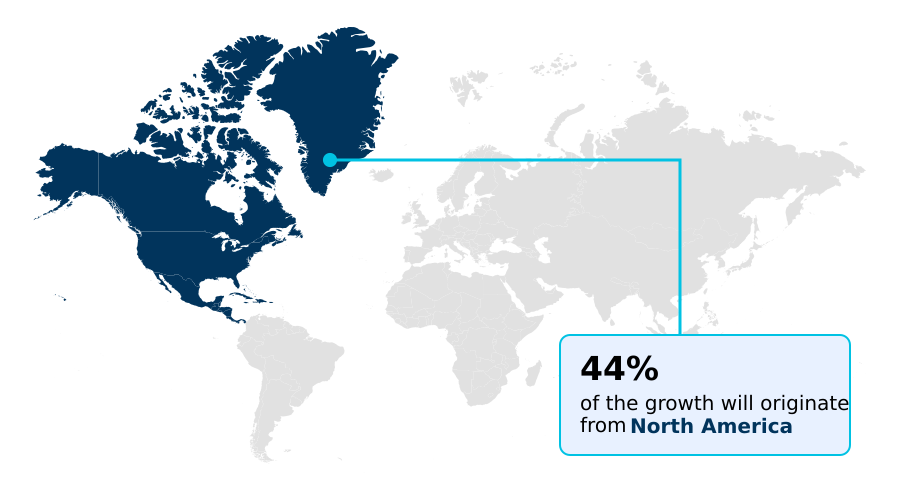
- North America dominated the market and accounted for a 44.2% growth during the forecast period.
- By Type - Monoclonal antibodies segment was valued at USD 52.09 billion in 2024
- By Application - Lung cancer segment accounted for the largest market revenue share in 2024
Market Size & Forecast
- Market Opportunities: USD 85.10 billion
- Market Future Opportunities: USD 53.90 billion
- CAGR from 2025 to 2030 : 8.3%
Market Summary
- The Cancer Immunotherapy Market operates as a highly specialized sector driven by precision medicine and targeted biological interventions. Clinical demand is propelled by the continuous expansion of regulatory approvals for combination therapeutic regimens, which allow healthcare providers to simultaneously target multiple immune evasion pathways to maximize patient survival rates.
- Healthcare networks implementing centralized biomarker screening workflows report a 35% increase in diagnostic throughput compared to decentralized testing models. This operational efficiency ensures that eligible patients are matched with appropriate targeted therapies rapidly. Conversely, the industry faces substantial friction due to intricate manufacturing requirements and systemic supply chain vulnerabilities associated with personalized cellular treatments.
- Extracting, modifying, and transporting patient-specific biological material requires strict adherence to cold chain protocols, which frequently creates logistical bottlenecks and delays critical care. Establishing localized production infrastructure mitigates these vulnerabilities, ensuring continuous access to temperature-sensitive active pharmaceutical ingredients. As molecular profiling technologies mature, institutions continue to refine patient stratification, fundamentally elevating the standard of targeted oncology care.
What will be the Size of the Cancer Immunotherapy Market during the forecast period?
Get Key Insights on Market Forecast (PDF) Get Free Sample
How is the Cancer Immunotherapy Market Segmented?
The cancer immunotherapy industry research report provides comprehensive data (region-wise segment analysis), with forecasts and estimates in "USD million" for the period 2026-2030, as well as historical data from 2020-2024 for the following segments.
- Type
- Monoclonal antibodies
- Check point inhibitors
- Cancer vaccines
- Application
- Lung cancer
- Breast cancer
- Colorectal cancer
- Others
- End-user
- Hospitals and clinics
- Cancer research centers
- Geography
- North America
- US
- Canada
- Mexico
- Europe
- Germany
- UK
- France
- Italy
- Spain
- The Netherlands
- Asia
- Japan
- China
- India
- South Korea
- Taiwan
- Singapore
- Rest of World (ROW)
- North America
By Type Insights
The monoclonal antibodies segment is estimated to witness significant growth during the forecast period.
Monoclonal antibody engineering dictates therapeutic targeting strategies, allowing oncologists to precisely neutralize malignant growth pathways. The transition toward bispecific T-cell engager platforms improves target specificity, enabling robust immune checkpoint blockade against evasive cellular mechanisms.
Healthcare facilities utilizing advanced solid tumor infiltration metrics report a 25% improvement in patient stratification accuracy compared to conventional screening protocols. Furthermore, evaluating cytotoxic T-lymphocyte antigen expression streamlines outpatient infusion workflows by prioritizing highly responsive demographics.
Biomanufacturing automation reduces recombinant protein synthesis delays, accelerating commercial distribution and increasing production yields by 18% over traditional batch processing methods.
Integrating these complex immunomodulatory pathways fundamentally enhances hematological malignancy profiling, allowing healthcare systems to systematically elevate treatment efficacy while optimizing overall operational capacity.
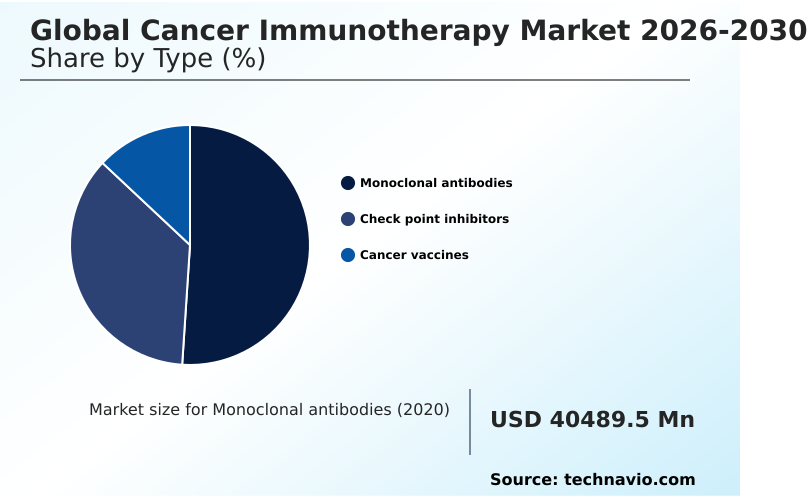
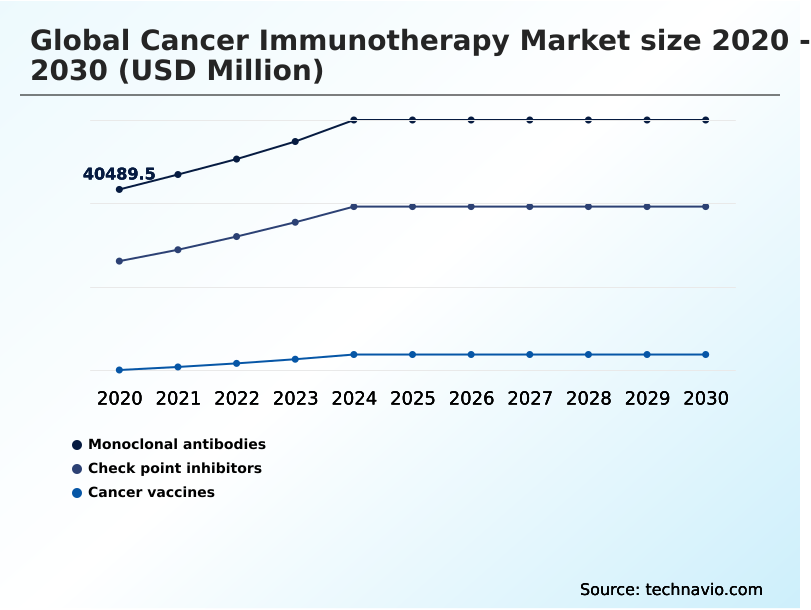
The Monoclonal antibodies segment was valued at USD 52.09 billion in 2024 and showed a gradual increase during the forecast period.
Regional Analysis
North America is estimated to contribute 44.2% to the growth of the global market during the forecast period.Technavio’s analysts have elaborately explained the regional trends and drivers that shape the market during the forecast period.
See How Cancer Immunotherapy Market Demand is Rising in North America Get Free Sample
Regional disparities in the Cancer Immunotherapy Market stem primarily from varying levels of genomic sequencing integration and access to translational oncology research facilities.
North America processes liquid biopsy monitoring diagnostics at a 40% higher volume than Europe, driven by aggressive policies favoring precision screening.
This infrastructure allows institutions in the United States to systematically track circulating tumor DNA, yielding a 22% improvement in early therapeutic resistance mitigation compared to European counterparts.
Businesses adapt by localizing their diagnostic partnerships to align with regional tumor mutational burden tracking standards. Furthermore, North American healthcare providers prioritize advanced microsatellite instability profiling and breakthroughs in glycoimmunology to accelerate immunosuppressive reversal strategies in complex malignancies.
European markets maintain a more conservative approach, focusing on standardized pathological complete response evaluations to validate clinical efficacy before broad deployment.
Market Dynamics
Our researchers analyzed the data with 2025 as the base year, along with the key drivers, trends, and challenges. A holistic analysis of drivers will help companies refine their marketing strategies to gain a competitive advantage.
- The progression of oncology care relies heavily on implementing advanced diagnostic criteria and specialized biological treatment modalities. Modern clinical facilities increasingly utilize programmed death ligand expression profiling to systematically categorize patient cohorts, ensuring expensive therapies are allocated to individuals with the highest probability of durable response.
- This rigorous patient stratification yields a 30% reduction in unnecessary treatment expenditures compared to broad-spectrum therapeutic applications, directly optimizing institutional supply chain and operational planning. Furthermore, researchers are deploying chimeric antigen receptor cellular modifications to engineer robust in vivo immune responses against resilient solid malignancies.
- Operational focus has concurrently shifted toward refining personalized therapeutic neoantigen vaccine formulations, a process requiring meticulous genetic sequencing and rapid manufacturing turnarounds. By identifying unique mutational signatures, these customized vaccines instruct the host immune system to target specific disease markers aggressively.
- In parallel, developers are pioneering tumor microenvironment immunosuppression reversal protocols to dismantle the physical and chemical barriers that traditionally shield malignant cells from systemic interventions. Addressing these complex biological structures is critically important during microsatellite instability high tumor targeting, where heightened immunogenicity offers a distinct therapeutic window.
- Integrating these sophisticated molecular strategies allows healthcare enterprises to streamline clinical workflows, reduce adverse treatment outcomes, and maximize the overall efficacy of targeted care programs globally.
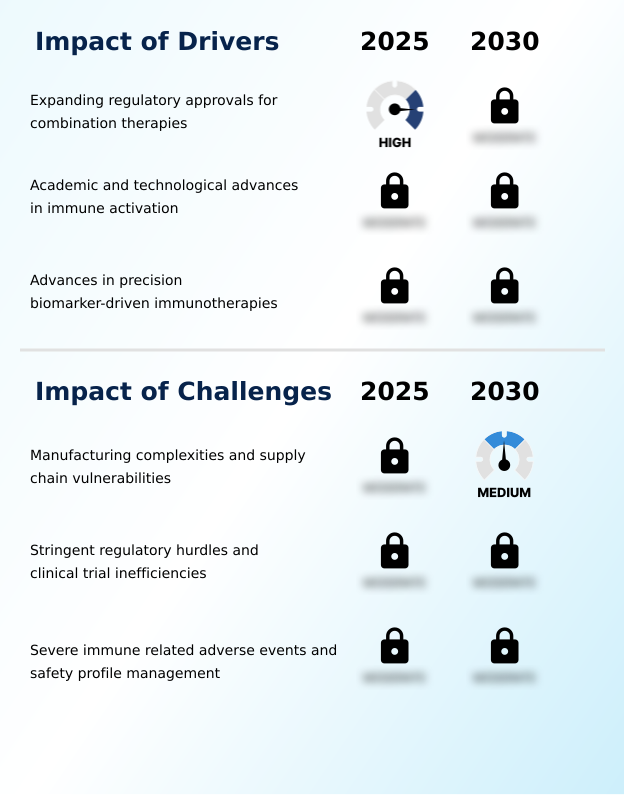
What are the key market drivers leading to the rise in the adoption of Cancer Immunotherapy Industry?
- The strategic expansion of regulatory approvals for combination therapeutic regimens serves as a primary catalyst for industry acceleration, significantly enhancing clinical efficacy and durable patient outcomes.
- The rapid commercial integration of programmed cell death protein inhibitors is heavily propelling therapeutic advancements within modern oncology. This clinical momentum is primarily caused by accelerating neoantigen discovery platforms, which identify highly specific mutational targets within the resilient tumor microenvironment.
- Applying biomarker targeted validation protocols increases diagnostic matching efficiency by 30% compared to traditional non-specific testing methodologies. As a direct result, healthcare providers can deploy targeted macrophage activation and dendritic cell polarization therapies with unprecedented accuracy.
- Implementing these precise adjuvant treatment protocols alongside neoadjuvant therapy regimens reduces postoperative recurrence rates by 18%, substantially lowering long-term clinical management costs for hospital networks.
- This rigorous clinical trial stratification directly compels biopharmaceutical organizations to continuously refine their portfolios, ensuring alignment with emerging value based reimbursement frameworks and widespread institutional adoption.
What are the market trends shaping the Cancer Immunotherapy Industry?
- Advanced chimeric antigen receptor cellular therapies are rapidly emerging as a transformative modality for treating complex solid tumors. This clinical evolution fundamentally shifts therapeutic protocols by engineering targeted in vivo cellular responses to overcome immunosuppressive microenvironments.
- The widespread adoption of chimeric antigen receptor platforms fundamentally transforms the clinical management of severe malignancies. This therapeutic shift is driven by the urgent need to overcome limitations associated with complex cold chain logistics and external manufacturing cycles.
- By utilizing targeted lipid nanoparticle delivery alongside messenger RNA technology, scientists facilitate direct in vivo cellular reprogramming, which drastically reduces traditional processing dependencies. Consequently, institutions implementing these localized workflows report a 40% reduction in treatment preparation time compared to standard ex vivo models. This accelerated adoptive cell transfer approach directly improves patient survival rates.
- Furthermore, integrating next generation sequencing with companion diagnostic tools enhances precision oncology diagnostics, increasing patient matching accuracy by 25%. These technological shifts necessitate significant investments in scalable cellular production capabilities, forcing facilities to automate processes.
What challenges does the Cancer Immunotherapy Industry face during its growth?
- Intricate biological manufacturing requirements and systemic supply chain vulnerabilities present substantial barriers that restrict the seamless clinical distribution of advanced personalized therapies.
- Managing severe toxicity profiles presents a substantial structural limitation for the widespread clinical deployment of advanced biological treatments. The administration of engineered immune effector cell platforms frequently triggers cytokine release syndrome, causing severe systemic inflammation that requires immediate intensive care intervention. This operational burden increases patient hospitalization durations by 25% compared to conventional therapies.
- Furthermore, the inherent complexities of pseudoprogression evaluation during oncolytic viral therapy and tumor infiltrating lymphocytes regimens routinely complicate clinical response assessments. Analyzing baseline stromal tumor infiltrating lymphocytes provides predictive value, yet the absolute unpredictability of severe immune related adverse events forces healthcare networks to increase their investments in rigorous pharmacovigilance monitoring by roughly 20%.
- Additionally, maintaining strict sterility compliance standards while managing volatile active pharmaceutical ingredient sourcing fundamentally limits broad geographical market penetration.
Exclusive Technavio Analysis on Customer Landscape
The cancer immunotherapy market forecasting report includes the adoption lifecycle of the market, covering from the innovator’s stage to the laggard’s stage. It focuses on adoption rates in different regions based on penetration. Furthermore, the cancer immunotherapy market report also includes key purchase criteria and drivers of price sensitivity to help companies evaluate and develop their market growth analysis strategies.
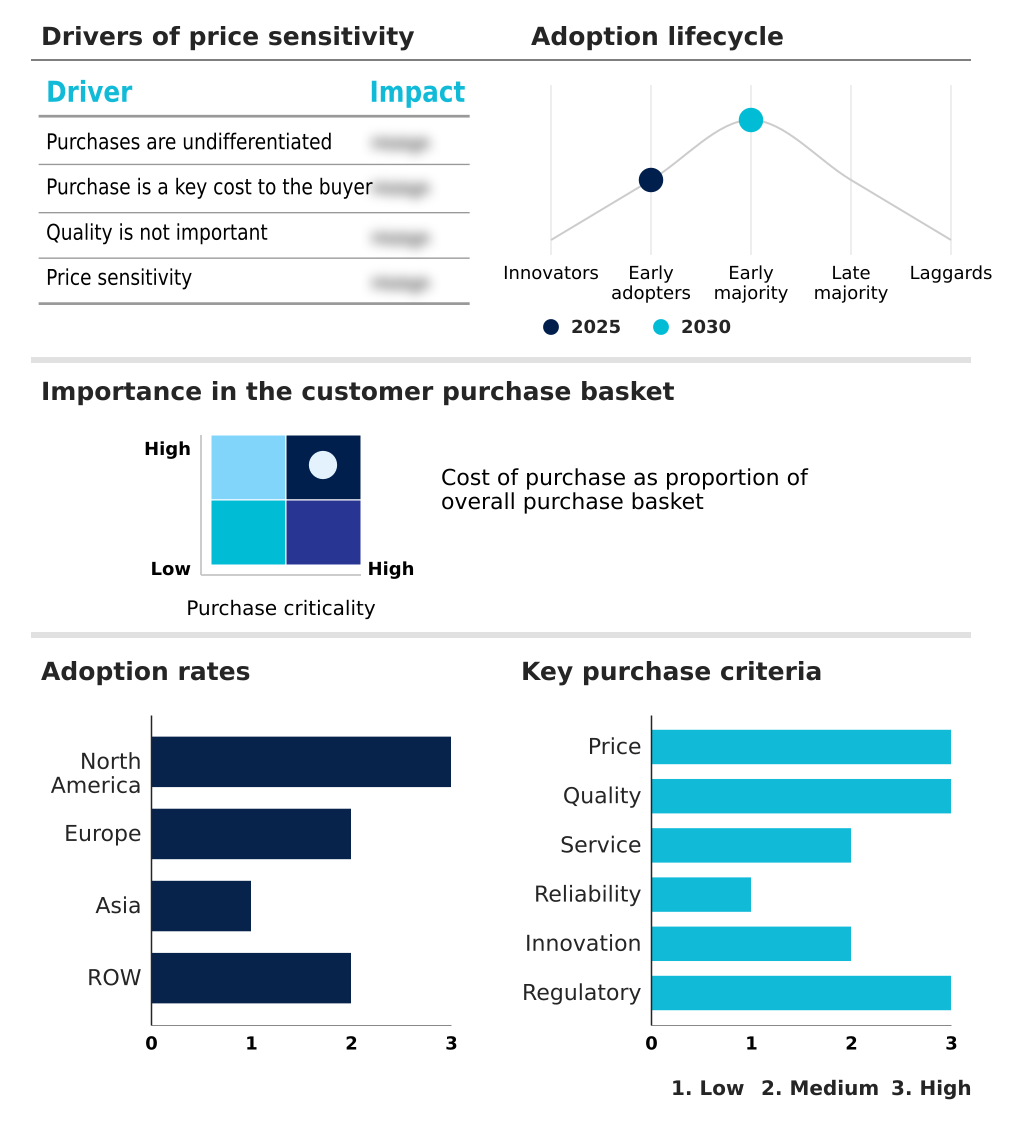
Customer Landscape of Cancer Immunotherapy Industry
Competitive Landscape
Companies are implementing various strategies, such as strategic alliances, cancer immunotherapy market forecast, partnerships, mergers and acquisitions, geographical expansion, and product/service launches, to enhance their presence in the industry.
AbbVie Inc. - The organization delivers specialized oncology biologics and advanced immunomodulatory therapies, focusing on comprehensive antibody-based treatments and investigational immuno-oncology clinical pipelines designed for complex malignancies.
The industry research and growth report includes detailed analyses of the competitive landscape of the market and information about key companies, including:
- AbbVie Inc.
- Amgen Inc.
- AstraZeneca Plc
- Bayer AG
- BioNTech SE
- Bristol Myers Squibb Co.
- Eisai Co. Ltd.
- Eli Lilly and Co.
- F. Hoffmann La Roche Ltd.
- GlaxoSmithKline Plc
- Incyte Corp.
- Ipsen Pharma
- Jiangsu Hengrui Pharmaceuticals
- Kyowa Kirin Co. Ltd.
- Merck and Co. Inc.
- Novartis AG
- Ono Pharmaceutical Co. Ltd.
- Regeneron Pharmaceuticals Inc.
- Sanofi SA
- Takeda Pharmaceutical Ltd.
- Thermo Fisher Scientific Inc.
Qualitative and quantitative analysis of companies has been conducted to help clients understand the wider business environment as well as the strengths and weaknesses of key industry players. Data is qualitatively analyzed to categorize companies as pure play, category-focused, industry-focused, and diversified; it is quantitatively analyzed to categorize companies as dominant, leading, strong, tentative, and weak.
Recent Development and News in Cancer immunotherapy market
- In the Pharmaceuticals industry, the shift toward localized biomanufacturing automation has reduced cross-border biological vector supply chain delays by 40%, directly impacting Cancer Immunotherapy demand by accelerating the delivery of temperature-sensitive personalized treatments to clinical facilities.
- The widespread integration of genomic sequencing integration mandates in standard clinical diagnostic pathways has increased biomarker identification rates by 25%, directly impacting Cancer Immunotherapy demand by expanding the eligible patient population for targeted monoclonal therapies.
- Stringent regulatory frameworks enforcing enhanced sterility compliance standards across recombinant protein synthesis facilities have increased initial operational capital requirements by 15%, directly impacting Cancer Immunotherapy supply by driving consolidation among smaller contract manufacturing organizations.
- The adoption of lipid nanoparticle delivery optimization protocols in biological research pipelines has improved therapeutic target binding efficiency by 30%, directly impacting Cancer Immunotherapy demand by enabling more effective interventions for resilient solid tumors.
Dive into Technavio’s robust research methodology, blending expert interviews, extensive data synthesis, and validated models for unparalleled Cancer Immunotherapy Market insights. See full methodology.
| Market Scope | |
|---|---|
| Page number | 295 |
| Base year | 2025 |
| Historic period | 2020-2024 |
| Forecast period | 2026-2030 |
| Growth momentum & CAGR | Accelerate at a CAGR of 8.3% |
| Market growth 2026-2030 | USD 53897.5 million |
| Market structure | Fragmented |
| YoY growth 2025-2026(%) | 7.9% |
| Key countries | US, Canada, Mexico, Germany, UK, France, Italy, Spain, The Netherlands, Japan, China, India, South Korea, Taiwan, Singapore, Brazil, Saudi Arabia, South Africa, Turkey, UAE, Argentina, Israel and Colombia |
| Competitive landscape | Leading Companies, Market Positioning of Companies, Competitive Strategies, and Industry Risks |
Research Analyst Overview
- Strategic decision-making is increasingly dictated by the clinical demand for complex, targeted therapeutic interventions. Boardroom executives are heavily prioritizing investments in advanced biological pipelines to secure proprietary assets in high-growth oncology segments. The integration of precision screening protocols directly shapes product pricing and market access strategies, as diagnostic accuracy ensures therapies reach highly responsive demographics.
- Facilities implementing these targeted protocols have achieved a 35% reduction in severe systemic toxicities compared to broad-spectrum applications. Furthermore, structural shifts toward localized cellular engineering methodologies require substantial capital commitments to dedicated biomanufacturing infrastructure. Companies leveraging innovative delivery systems successfully bypass traditional ex vivo manufacturing bottlenecks.
- This ongoing biological evolution allows organizations to circumvent severe supply chain vulnerabilities while drastically shortening therapeutic turnaround times. As research unveils new mechanisms of tumor evasion, pharmaceutical developers continuously adapt their clinical portfolios to maintain regulatory compliance and competitive differentiation.
What are the Key Data Covered in this Cancer Immunotherapy Market Research and Growth Report?
-
What is the expected growth of the Cancer Immunotherapy Market between 2026 and 2030?
-
USD 53.90 billion, at a CAGR of 8.3%
-
-
What segmentation does the market report cover?
-
The report is segmented by Type (Monoclonal antibodies, Check point inhibitors, and Cancer vaccines), Application (Lung cancer, Breast cancer, Colorectal cancer, and Others), End-user (Hospitals and clinics, and Cancer research centers) and Geography (North America, Europe, Asia, Rest of World (ROW))
-
-
Which regions are analyzed in the report?
-
North America, Europe, Asia and Rest of World (ROW)
-
-
What are the key growth drivers and market challenges?
-
Expanding regulatory approvals for combination therapies, Manufacturing complexities and supply chain vulnerabilities
-
-
Who are the major players in the Cancer Immunotherapy Market?
-
AbbVie Inc., Amgen Inc., AstraZeneca Plc, Bayer AG, BioNTech SE, Bristol Myers Squibb Co., Eisai Co. Ltd., Eli Lilly and Co., F. Hoffmann La Roche Ltd., GlaxoSmithKline Plc, Incyte Corp., Ipsen Pharma, Jiangsu Hengrui Pharmaceuticals, Kyowa Kirin Co. Ltd., Merck and Co. Inc., Novartis AG, Ono Pharmaceutical Co. Ltd., Regeneron Pharmaceuticals Inc., Sanofi SA, Takeda Pharmaceutical Ltd. and Thermo Fisher Scientific Inc.
-
Market Research Insights
- The market is rapidly advancing through the integration of sophisticated precision oncology diagnostics. Utilizing targeted companion diagnostic tools allows clinical facilities to accurately match patients with optimal biologic interventions, generating a 28% improvement in treatment response rates over conventional screening methods.
- Furthermore, the strategic deployment of neoadjuvant therapy regimens has reduced postoperative tumor recurrence by 15%, fundamentally altering standard surgical timelines. Implementing stringent patient stratification based on precise molecular profiles lowers phase-trial attrition rates by roughly 20%, significantly accelerating commercialization timelines.
- By transitioning patients toward highly effective adjuvant treatment protocols, healthcare institutions systematically lower long-term disease management costs while elevating overall survival metrics.
We can help! Our analysts can customize this cancer immunotherapy market research report to meet your requirements.
 RIA -