


Car-As-A-Service (Caas) Market Size 2026-2030
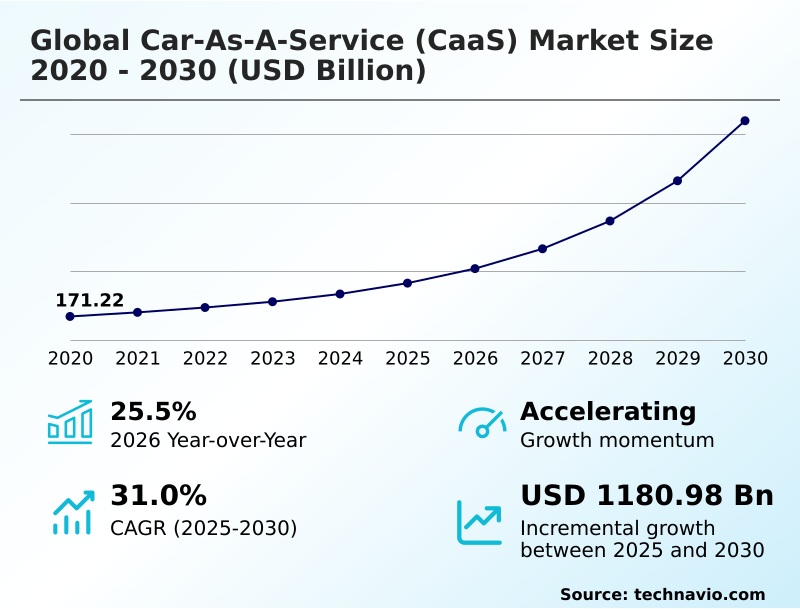
The car-as-a-service (caas) market size is valued to increase by USD 1,180.98 billion, at a CAGR of 31% from 2025 to 2030. Shifting consumer preferences prioritizing flexible usage over traditional personal vehicle ownership will drive the car-as-a-service (caas) market.
Major Market Trends & Insights
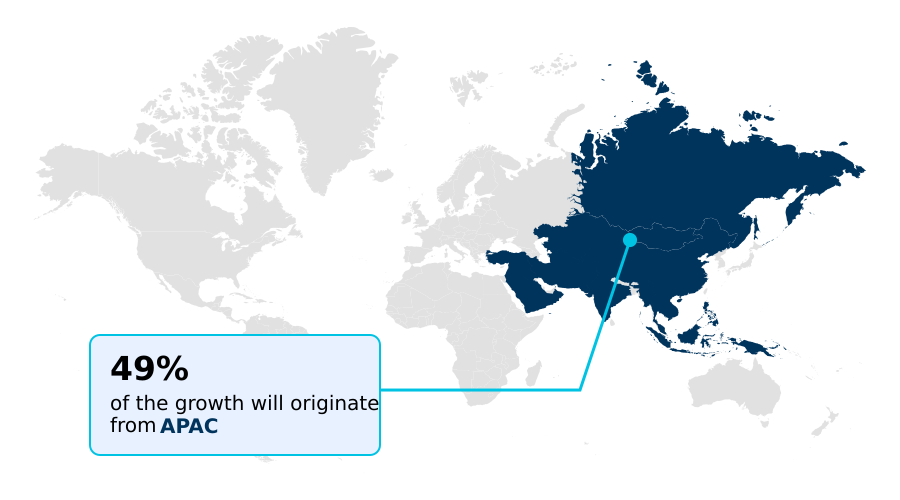
- APAC dominated the market and accounted for a 48.7% growth during the forecast period.
- By End-user - Corporate segment was valued at USD 208.70 billion in 2024
- By Type - Ride hailing segment accounted for the largest market revenue share in 2024
Market Size & Forecast
- Market Opportunities: USD 1,423.36 billion
- Market Future Opportunities: USD 1,180.98 billion
- CAGR from 2025 to 2030 : 31%
Market Summary
- The Car-As-A-Service (CaaS) Market represents a fundamental structural shift in urban transportation, transitioning consumers and enterprises away from rigid ownership toward flexible, usage-based mobility models. This paradigm shift is primarily driven by shifting consumer preferences prioritizing flexible access over the heavy financial commitments of traditional vehicle purchasing.
- In a real-world corporate supply chain scenario, logistics managers utilize flexible automotive subscriptions to dynamically scale their delivery fleets during peak holiday seasons, avoiding the accumulation of idle assets during off-peak months. This strategic agility has demonstrated significant impact, with enterprises reducing fleet management overhead costs by up to 22% compared to traditional multi-year leasing agreements.
- However, service providers encounter a severe operational challenge due to high asset depreciation expenses, which strain available working capital and limit rapid geographic expansion. Retaining depreciating assets on corporate balance sheets exposes providers to volatile secondary market resale values, particularly concerning evolving battery technologies.
- To sustain profitability, operators are aggressively deploying predictive telematics and automated credit underwriting systems to optimize asset lifecycles and streamline user onboarding across digital platforms.
What will be the Size of the Car-As-A-Service (Caas) Market during the forecast period?
Get Key Insights on Market Forecast (PDF) Get Free Sample
How is the Car-As-A-Service (Caas) Market Segmented?
The car-as-a-service (caas) industry research report provides comprehensive data (region-wise segment analysis), with forecasts and estimates in "USD million" for the period 2026-2030, as well as historical data from 2020-2024 for the following segments.
- End-user
- Corporate
- Private
- Type
- Ride hailing
- Car rental
- Car sharing
- Car subscription
- Platform
- App-based
- Web-based
- Integrated mobility platforms
- Geography
- APAC
- China
- Japan
- India
- South Korea
- Indonesia
- Australia
- North America
- US
- Canada
- Mexico
- Europe
- Germany
- UK
- France
- Italy
- Spain
- The Netherlands
- South America
- Brazil
- Argentina
- Chile
- Middle East and Africa
- Saudi Arabia
- UAE
- South Africa
- Turkey
- Israel
- APAC
By End-user Insights
The corporate segment is estimated to witness significant growth during the forecast period.
Corporate mobility programs are increasingly shifting from permanent asset ownership toward flexible usage models to optimize operational efficiency and mitigate financial risks.
By utilizing comprehensive vehicle access platforms, enterprises eliminate heavy upfront capital expenditures while securing predictable monthly operational costs that bundle comprehensive insurance and routine roadside assistance.
This operational agility allows fleet managers to dynamically scale vehicle deployment based on seasonal project demands, reducing underutilized asset waste.
Integrating integrated telematics modules and real-time engine diagnostics enables proactive scheduling, which has improved fleet utilization parameters by 18% for enterprise operators.
Furthermore, shifting to modular automotive subscriptions supports corporate sustainability directives, allowing organizations to seamlessly test zero-emission vehicle portfolios without absorbing long-term asset depreciation forecasting liabilities or battery degradation monitoring concerns.
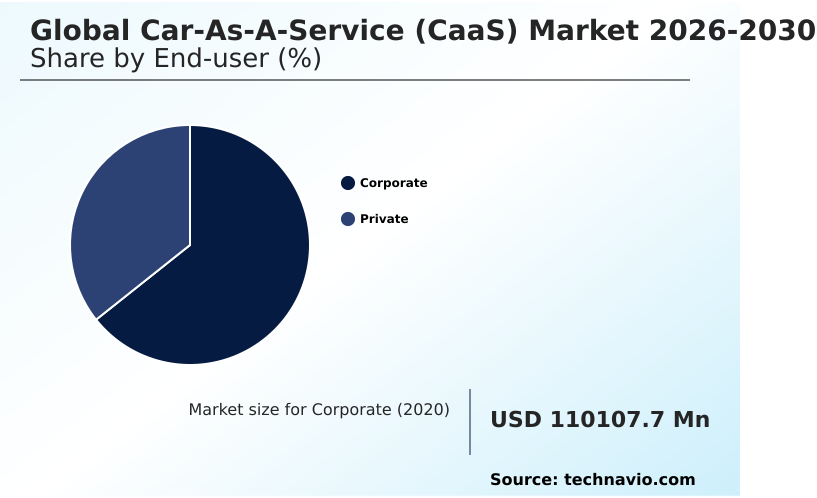
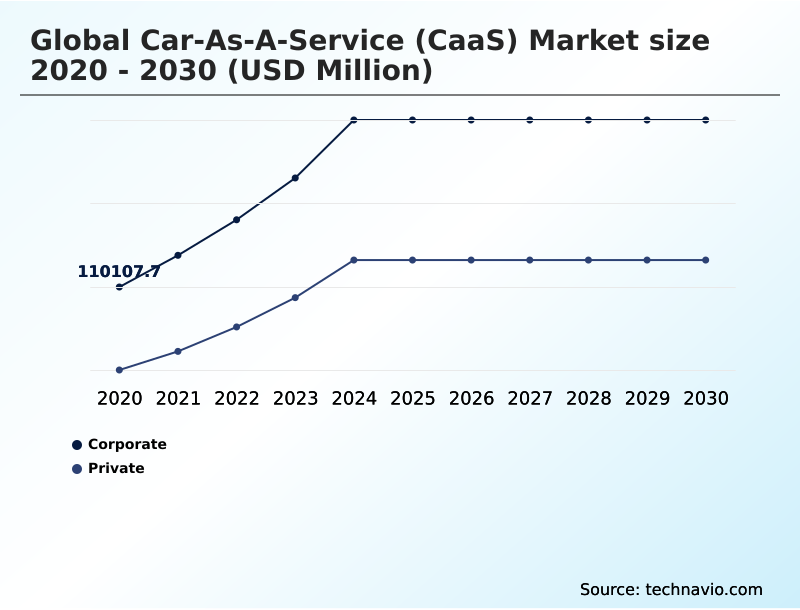
The Corporate segment was valued at USD 208.70 billion in 2024 and showed a gradual increase during the forecast period.
Regional Analysis
APAC is estimated to contribute 48.7% to the growth of the global market during the forecast period.Technavio’s analysts have elaborately explained the regional trends and drivers that shape the market during the forecast period.
See How Car-As-A-Service (Caas) Market Demand is Rising in APAC Get Free Sample
The Car-as-a-service (caas) adoption landscape reveals distinct operational variations between Europe and North America, primarily driven by regulatory frameworks and urban density.
In Europe, strict environmental reporting criteria and low-emission municipal zones have accelerated the deployment of zero-emission vehicle portfolios, driving a 35% higher adoption rate of modular automotive subscriptions compared to North America.
European fleet operators heavily rely on vehicle-to-grid integration and smart charging infrastructure to manage energy costs, resulting in a 20% reduction in total cost of ownership for commercial fleets.
Conversely, the North American market prioritizes digital convenience, utilizing automated credit scoring and biometric user authentication to expedite frictionless digital onboarding.
This technological focus has improved customer acquisition efficiency by 25% across decentralized vehicle networks in the United States and Canada.
By leveraging predictive fleet reallocation and dynamic pricing matrices, providers in both regions continuously optimize asset utilization, although European operators face higher initial compliance costs when integrating advanced collision-avoidance systems into their shared mobility ecosystems.
Market Dynamics
Our researchers analyzed the data with 2025 as the base year, along with the key drivers, trends, and challenges. A holistic analysis of drivers will help companies refine their marketing strategies to gain a competitive advantage.
- The operational architecture of the Car-as-a-service (caas) industry relies heavily on continuous digital innovation and data-driven fleet logistics. Service providers are increasingly utilizing cloud-based predictive fleet maintenance to transition away from reactive repair schedules, thereby extending the operational lifespan of their assets. By deploying real-time vehicle diagnostic telemetry, fleet managers can detect mechanical anomalies before they escalate into catastrophic failures.
- This proactive approach has improved overall supply chain resilience, yielding a 20% improvement in vehicle availability compared to traditional manual inspection workflows. As urban congestion intensifies, operators are actively participating in multi-modal urban mobility integration, allowing seamless transitions between micro-mobility assets, public transit, and subscription vehicles through unified digital platforms.
- Furthermore, the rising pressure to satisfy environmental, social, and governance mandates has accelerated zero-emission corporate fleet optimization. Enterprises are testing battery electric vehicles within their active distribution networks without committing to long-term ownership, successfully mitigating residual value volatility. Simultaneously, operators are incorporating automated usage-based insurance underwriting to dynamically assess driver risk profiles based on continuous behavioral data.
- This precision underwriting process minimizes corporate liability and lowers operational insurance premiums, allowing mobility providers to maintain competitive consumer pricing while protecting profit margins across highly dynamic urban transportation environments.
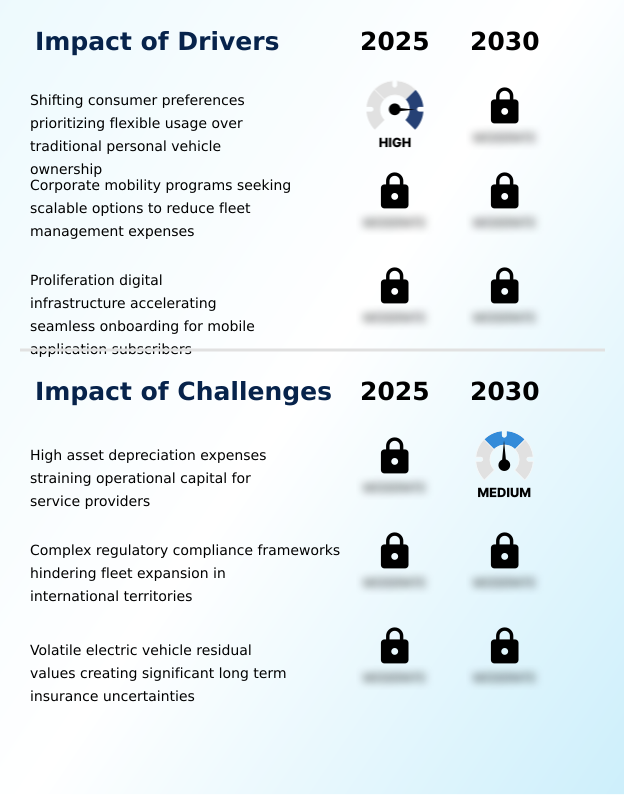
What are the key market drivers leading to the rise in the adoption of Car-As-A-Service (Caas) Industry?
- Shifting consumer preferences that prioritize flexible usage over traditional personal vehicle ownership serve as the primary driver propelling market expansion.
- The rapid proliferation of advanced digital identity authentication and high-speed mobile connectivity serves as a primary driver propelling the Car-as-a-service (caas) expansion. Modern urban consumers demand immediate, frictionless digital onboarding, rejecting the bureaucratic paperwork traditionally associated with legacy rental agencies.
- By utilizing automated credit scoring and biometric user authentication, mobility platforms have streamlined customer acquisition workflows, accelerating subscriber approval times by 40% and increasing digital conversion rates by 22%.
- This behavioral shift occurs because individuals increasingly prioritize flexible mobility access over the financial liabilities of traditional vehicle ownership. For fleet operators, this enhanced transaction velocity directly lowers customer acquisition costs and improves working capital efficiency.
- The continuous refinement of subscription billing engines and end-to-end e-commerce journeys ensures robust revenue stability across digitally native consumer demographics.
What are the market trends shaping the Car-As-A-Service (Caas) Industry?
- The rapid integration of telematics analytics software represents a prominent market trend. This technology enables real-time predictive maintenance protocols, significantly enhancing fleet operational efficiency.
- A transformative trend redefining the Car-as-a-service (caas) ecosystem is the widespread integration of telematics data analytics to establish continuous predictive maintenance protocols. Historically, fleet operators relied on static servicing intervals that resulted in undetected failures and unnecessary expenditures. Modern platforms now deploy internet-of-things sensors to monitor tire pressure and brake pad wear dynamically.
- This transition has drastically improved operational reliability, reducing unscheduled vehicle downtime by 34% and cutting preventative maintenance costs by 18%. The shift is occurring because accurate vehicle lifecycle tracking allows providers to optimize asset allocation efficiently across highly utilized routes. Consequently, businesses benefit from enhanced fleet availability and lower administrative overhead.
- Furthermore, the rapid implementation of over-the-air firmware upgrades and digital showroom integration guarantees that subscription vehicles continuously feature the latest software optimizations, driving higher user retention within competitive mobility-as-a-service architectures.
What challenges does the Car-As-A-Service (Caas) Industry face during its growth?
- High asset depreciation expenses significantly strain the operational capital of service providers, acting as a primary challenge that hinders industry growth.
- The Car-as-a-service (caas) industry faces significant structural challenges stemming from severe asset depreciation forecasting inaccuracies and volatile secondary market valuations. Unlike traditional automotive sales, service providers must retain depreciating assets on their balance sheets, exposing them to continuous financial risk.
- The rapid evolution of battery technologies exacerbates this issue, leading to a 15% steeper annual depreciation curve for early-generation electric models compared to internal combustion variants. This economic pressure is occurring because battery degradation monitoring uncertainties complicate residual value calculations, making total cost of ownership highly unpredictable.
- Consequently, operating margins are compressed, forcing providers to increase consumer subscription fees to offset potential losses. Furthermore, navigating complex local compliance frameworks and implementing advanced collision-avoidance systems increases base operational expenditures by up to 12%, severely limiting the capacity of smaller operators to achieve cross-border economies of scale across decentralized vehicle networks.
Exclusive Technavio Analysis on Customer Landscape
The car-as-a-service (caas) market forecasting report includes the adoption lifecycle of the market, covering from the innovator’s stage to the laggard’s stage. It focuses on adoption rates in different regions based on penetration. Furthermore, the car-as-a-service (caas) market report also includes key purchase criteria and drivers of price sensitivity to help companies evaluate and develop their market growth analysis strategies.
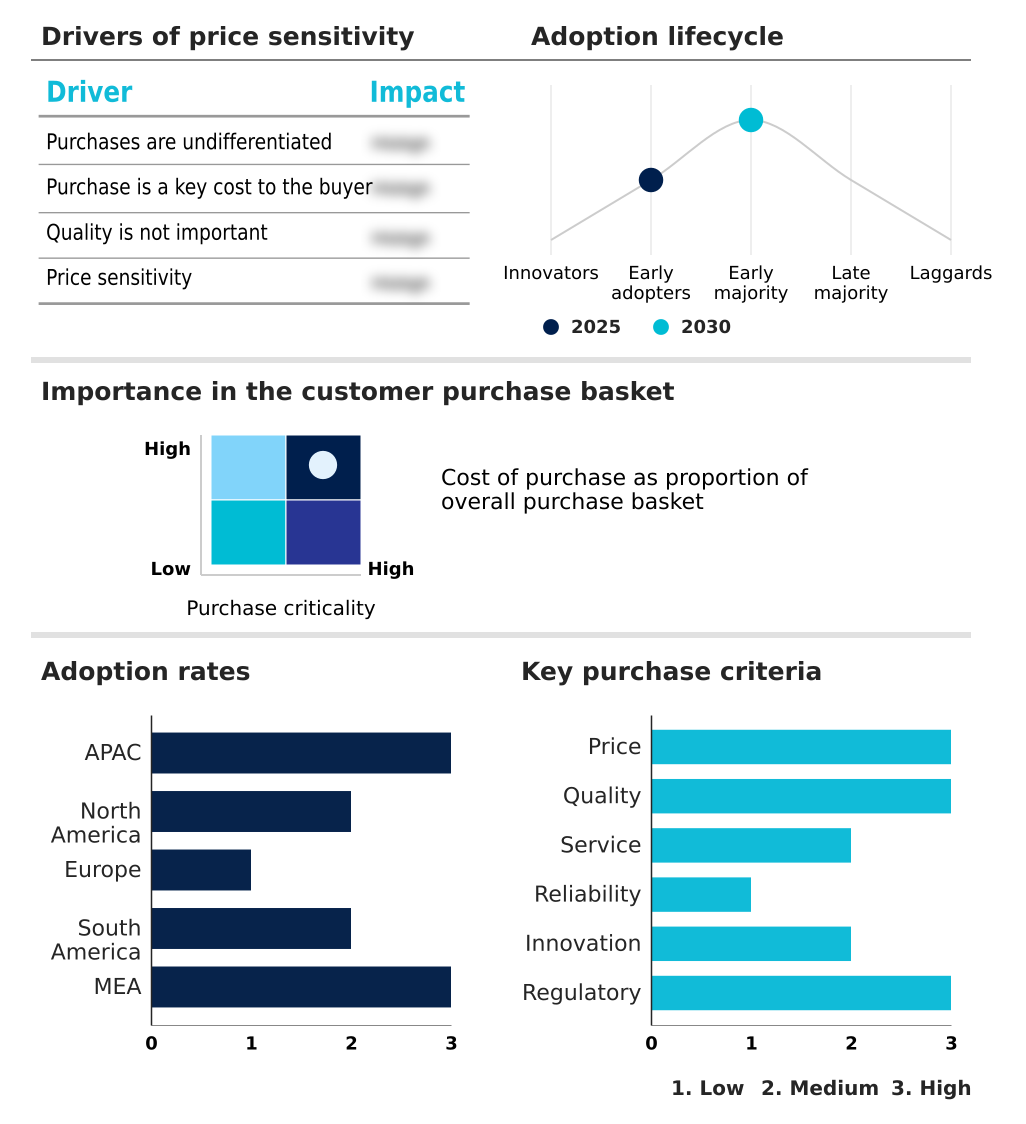
Customer Landscape of Car-As-A-Service (Caas) Industry
Competitive Landscape
Companies are implementing various strategies, such as strategic alliances, car-as-a-service (caas) market forecast, partnerships, mergers and acquisitions, geographical expansion, and product/service launches, to enhance their presence in the industry.
Arval - Delivers unified car-as-a-service solutions, integrating mid-term vehicle rentals and comprehensive corporate mobility packages to optimize long-term enterprise fleet deployment and reduce operational overhead.
The industry research and growth report includes detailed analyses of the competitive landscape of the market and information about key companies, including:
- Arval
- Autonomy
- Avis Budget Group Inc.
- Ayvens Group
- Borrow Mobility Inc.
- Carly Holdings GmbH
- Dr. Ing. h.c. F. Porsche AG
- Enterprise Mobility
- FINN GmbH
- Free2Move SAS
- Hertz Global Holdings Inc.
- Hyundai Motor Co.
- KINTO Mobility
- Kyte Technologies Inc.
- Lynk and Co Auto Sales Co. Ltd.
- Pivotal Automotive Inc.
- SIXT SE
- Volkswagen Financial Services
- Wagonex Ltd
Qualitative and quantitative analysis of companies has been conducted to help clients understand the wider business environment as well as the strengths and weaknesses of key industry players. Data is qualitatively analyzed to categorize companies as pure play, category-focused, industry-focused, and diversified; it is quantitatively analyzed to categorize companies as dominant, leading, strong, tentative, and weak.
Recent Development and News in Car-as-a-service (caas) market
- In the Passenger Ground Transportation industry, the rapid deployment of smart charging infrastructure and local zero-emission mandates has accelerated the integration of zero-emission vehicle portfolios, directly impacting Car-as-a-service (caas) demand by enabling corporate fleets to achieve sustainability targets seamlessly.
- The widespread adoption of biometric user authentication and cloud-native fleet management systems has eliminated traditional administrative bottlenecks, enhancing frictionless digital onboarding and driving higher utilization rates within Car-as-a-service (caas) platforms.
- Advancements in real-time engine diagnostics and cloud-based diagnostic telemetry have revolutionized predictive fleet reallocation, lowering mechanical failure rates and significantly boosting operational profitability across Car-as-a-service (caas) networks.
- The transition toward mobility-as-a-service architectures and automated recurring invoicing in urban transit zones has streamlined multi-modal mobility ecosystems, increasing consumer reliance on flexible Car-as-a-service (caas) solutions over private vehicle ownership.
Dive into Technavio’s robust research methodology, blending expert interviews, extensive data synthesis, and validated models for unparalleled Car-As-A-Service (Caas) Market insights. See full methodology.
| Market Scope | |
|---|---|
| Page number | 296 |
| Base year | 2025 |
| Historic period | 2020-2024 |
| Forecast period | 2026-2030 |
| Growth momentum & CAGR | Accelerate at a CAGR of 31% |
| Market growth 2026-2030 | USD 1180978.0 million |
| Market structure | Fragmented |
| YoY growth 2025-2026(%) | 25.5% |
| Key countries | China, Japan, India, South Korea, Indonesia, Australia, US, Canada, Mexico, Germany, UK, France, Italy, Spain, The Netherlands, Brazil, Argentina, Chile, Saudi Arabia, UAE, South Africa, Turkey and Israel |
| Competitive landscape | Leading Companies, Market Positioning of Companies, Competitive Strategies, and Industry Risks |
Research Analyst Overview
- The Car-as-a-service (caas) landscape is rapidly transforming from a niche mobility alternative into a foundational pillar of modern enterprise logistics and personal transportation. Boardroom executives are increasingly prioritizing dynamic demand forecasting and omnichannel remarketing platforms to mitigate the financial risks associated with unpredictable asset devaluation.
- By integrating machine learning algorithms and predictive hardware alerts, fleet administrators successfully transitioned from reactive repair models to proactive servicing, which reduced catastrophic mechanical failures by 28%. This measurable enhancement in operational reliability directly optimizes capital allocation by minimizing unexpected maintenance expenditures.
- Furthermore, the integration of usage-based insurance modeling and algorithmic vehicle matching allows mobility providers to align vehicle deployment precisely with localized consumer behavior patterns. Advancements in automated toll processing and internet-of-things sensors enable seamless cross-border fleet operations without administrative friction.
- As municipalities tighten emission regulations, integrating electronic contract signatures and secure cloud architectures ensures strict regulatory compliance while maintaining frictionless user experiences. Ultimately, these interconnected digital frameworks empower fleet operators to sustain continuous asset liquidity and maximize return on investment across decentralized urban corridors.
What are the Key Data Covered in this Car-As-A-Service (Caas) Market Research and Growth Report?
-
What is the expected growth of the Car-As-A-Service (Caas) Market between 2026 and 2030?
-
USD 1,180.98 billion, at a CAGR of 31%
-
-
What segmentation does the market report cover?
-
The report is segmented by End-user (Corporate, and Private), Type (Ride hailing, Car rental, Car sharing, and Car subscription), Platform (App-based, Web-based, and Integrated mobility platforms) and Geography (APAC, North America, Europe, South America, Middle East and Africa)
-
-
Which regions are analyzed in the report?
-
APAC, North America, Europe, South America and Middle East and Africa
-
-
What are the key growth drivers and market challenges?
-
Shifting consumer preferences prioritizing flexible usage over traditional personal vehicle ownership, High asset depreciation expenses straining operational capital for service providers
-
-
Who are the major players in the Car-As-A-Service (Caas) Market?
-
Arval, Autonomy, Avis Budget Group Inc., Ayvens Group, Borrow Mobility Inc., Carly Holdings GmbH, Dr. Ing. h.c. F. Porsche AG, Enterprise Mobility, FINN GmbH, Free2Move SAS, Hertz Global Holdings Inc., Hyundai Motor Co., KINTO Mobility, Kyte Technologies Inc., Lynk and Co Auto Sales Co. Ltd., Pivotal Automotive Inc., SIXT SE, Volkswagen Financial Services and Wagonex Ltd
-
Market Research Insights
- The Car-as-a-service (caas) ecosystem is fundamentally redefining urban transit by replacing rigid ownership with asset-light transport models. Organizations leveraging corporate fleet optimization techniques report a 25% reduction in administrative overhead by consolidating insurance and maintenance into unified subscription billing engines.
- By adopting real-time engine diagnostics and integrated telematics modules, fleet operators have decreased unscheduled maintenance downtime by 30%, directly enhancing return on investment. Furthermore, the integration of secure digital payment protocols and automated recurring invoicing has streamlined customer acquisition, improving digital conversion rates by 18%.
- These measurable operational efficiency gains empower providers to rapidly scale flexible mobility access, ensuring compliance with strict environmental reporting criteria while continuously adapting to volatile macroeconomic conditions.
We can help! Our analysts can customize this car-as-a-service (caas) market research report to meet your requirements.
 RIA -