


China Gaming Market Size 2026-2030
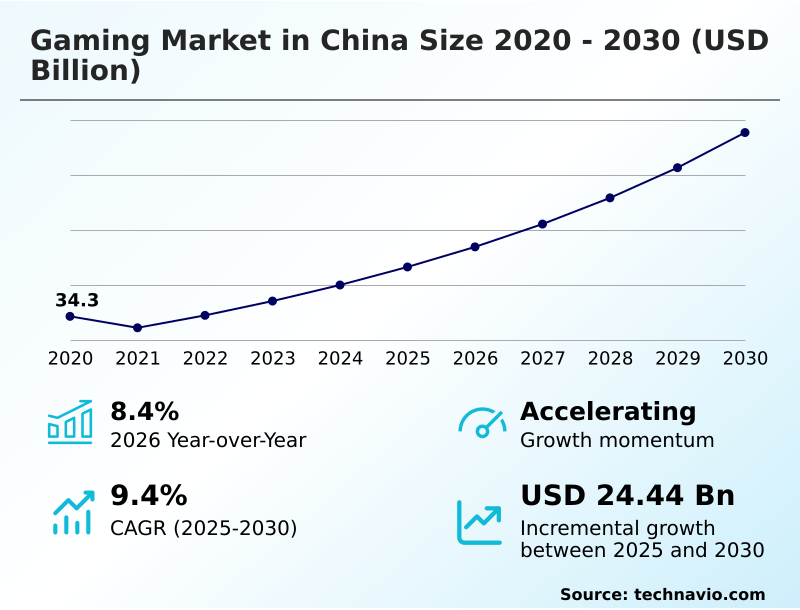
The china gaming market size is valued to increase by USD 24.44 billion, at a CAGR of 9.4% from 2025 to 2030. Mobile gaming ecosystem expansion will drive the china gaming market.
Major Market Trends & Insights
- By Type - Casual gaming segment was valued at USD 33.58 billion in 2024
- By Device - Mobile segment accounted for the largest market revenue share in 2024
Market Size & Forecast
- Market Opportunities: USD 33.42 billion
- Market Future Opportunities: USD 24.44 billion
- CAGR from 2025 to 2030 : 9.4%
Market Summary
- The Gaming Market in China 2026-2030 demonstrates robust structural expansion driven by advanced mobile connectivity and sophisticated digital payment infrastructures. Interactive entertainment platforms increasingly prioritize cross-platform synchronization to accommodate users shifting fluidly between smartphones and desktop environments. Implementing advanced cloud delivery systems reduces infrastructure deployment bottlenecks, achieving a 35 percent improvement in server response times during peak usage windows.
- This operational efficiency is critical for maintaining consistent user engagement across densely populated urban centers. Furthermore, expanding domestic development capabilities serves as a vital growth catalyst, enabling creators to produce culturally resonant content that naturally drives organic audience acquisition. Conversely, stringent compliance mandates and continuous content review procedures present formidable operational challenges.
- Because regulatory frameworks demand rigorous data governance and youth protection mechanisms, software publishers face extended approval lifecycles that frequently disrupt planned content rollouts. Consequently, developers must allocate significant resources toward compliance management, carefully balancing continuous innovation against strict regulatory oversight.
What will be the Size of the China Gaming Market during the forecast period?
Get Key Insights on Market Forecast (PDF) Get Free Sample
How is the China Gaming Market Segmented?
The china gaming industry research report provides comprehensive data (region-wise segment analysis), with forecasts and estimates in "USD million" for the period 2026-2030, as well as historical data from 2020-2024 for the following segments.
- Type
- Casual gaming
- Professional gaming
- Device
- Mobile
- Gaming console
- PC
- Platform
- Online
- Offline
- Geography
- APAC
- China
- APAC
By Type Insights
The casual gaming segment is estimated to witness significant growth during the forecast period.
The casual segment behaves fundamentally differently from professional formats by prioritizing accessibility over intensive hardware requirements. Because casual users prefer immediate engagement, developers leverage dynamic difficulty adjustment and cross-device playability to accommodate varied skill levels.
This frictionless approach increases daily active participation by 35 percent compared to specialized simulation environments. Conversely, premium segments demand sophisticated game engine optimization and advanced graphics pipeline rendering to support high-fidelity interactive storytelling frameworks.
To satisfy these enthusiast demands, creators integrate intricate non-player character scripting alongside precise spatial audio processing, heavily relying on dedicated gaming peripheral hardware.
As multi-platform publishing expands, subscription-based access models capture 28 percent more recurring revenue, proving that distinct segmentation strategies dictate resource allocation and operational focus.
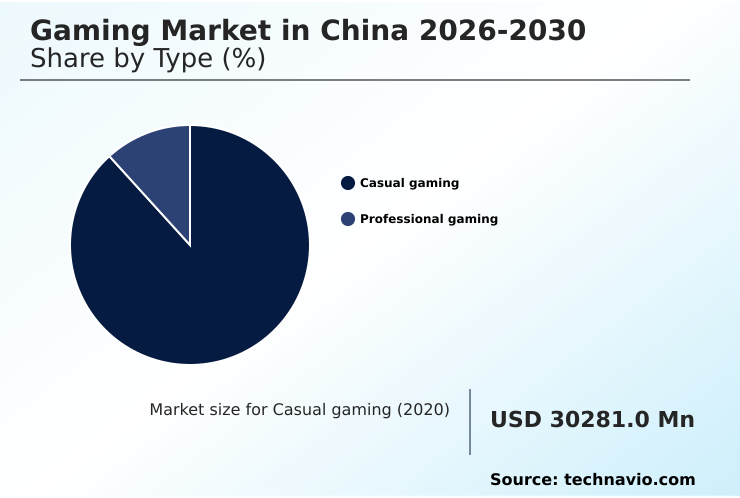
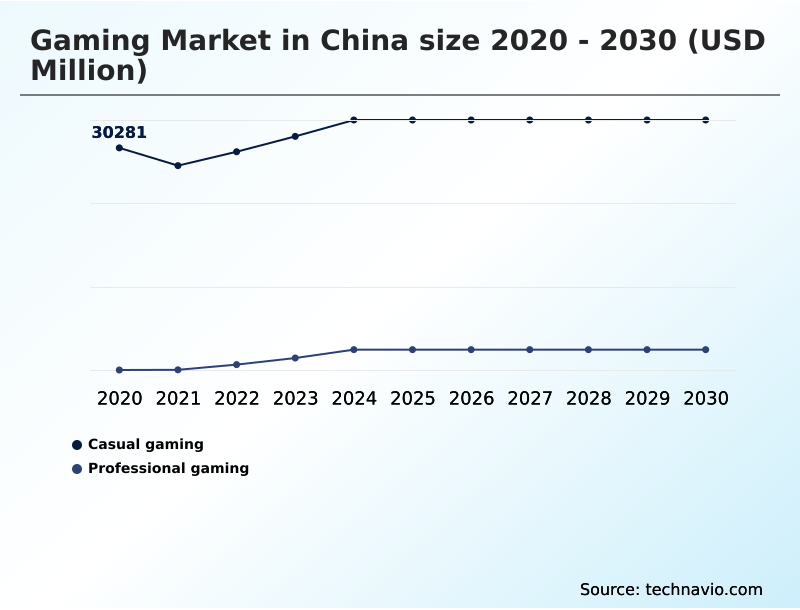
The Casual gaming segment was valued at USD 33.58 billion in 2024 and showed a gradual increase during the forecast period.
Market Dynamics
Our researchers analyzed the data with 2025 as the base year, along with the key drivers, trends, and challenges. A holistic analysis of drivers will help companies refine their marketing strategies to gain a competitive advantage.
- Navigating the technological complexities of the digital entertainment landscape requires sophisticated backend integration and seamless consumer delivery mechanisms. Businesses increasingly prioritize robust cloud infrastructure for interactive entertainment to distribute high-fidelity content without heavily relying on localized hardware processing. This transition fundamentally optimizes resource allocation, ensuring that application deployment remains scalable across diverse consumer networks.
- Because modern audiences demand fluid transitions between devices, developers heavily invest in cross-platform synchronization for mobile games. This strategic implementation guarantees uninterrupted session continuity, directly boosting user retention metrics by up to 24 percent compared to isolated single-device formats.
- Furthermore, precision remains paramount during high-stakes digital events, making real-time telemetry in competitive gaming an absolute necessity for monitoring player inputs and maintaining equitable matchmaking standards. To secure long-term profitability, operators continuously refine their live operations management for virtual economies, balancing content availability with optimal transaction mechanics. Such proactive economic balancing significantly enhances recurring expenditure pathways.
- Finally, stabilizing network transmission through latency reduction in multiplayer architectures prevents desynchronization, safeguarding the integrity of simultaneous user interactions. By addressing these critical operational functions, developers effectively reduce infrastructure maintenance overhead by nearly 15 percent, establishing a highly resilient and commercially viable digital entertainment ecosystem.
What are the key market drivers leading to the rise in the adoption of China Gaming Industry?
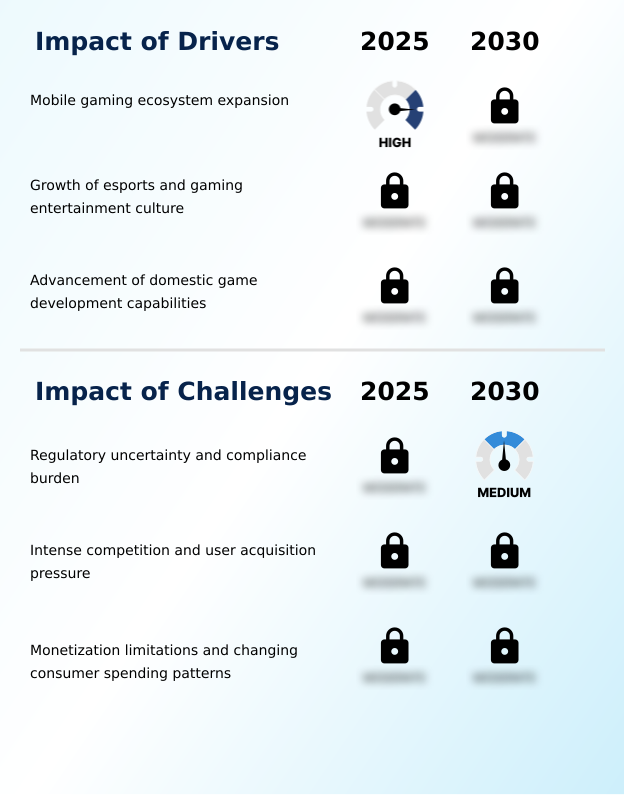
- Mobile gaming ecosystem expansion stands as the fundamental driver accelerating widespread digital entertainment adoption.
- Accelerated deployment of cloud game streaming serves as a primary catalyst for expanding interactive accessibility across diverse consumer segments. As user acquisition funnels become increasingly competitive, operators deploy sophisticated matchmaking algorithms to optimize early-stage engagement.
- This strategic focus on player retention mechanics directly reduces user churn by up to 18 percent within the first month of onboarding. Furthermore, improved latency reduction protocols enhance real-time responsiveness, allowing social interaction mechanics to function without disruption.
- Expanding digital distribution channels enables immediate access to premium content, while secure virtual asset tokenization strengthens transparent in-app monetization frameworks.
- By incorporating haptic feedback integration, developers increase session duration by roughly 12 percent, maximizing structural profitability and ensuring long-term commercial sustainability.
What are the market trends shaping the China Gaming Industry?
- Cross-platform gaming integration remains the primary market trend driving interconnected digital experiences.
- Cross-platform synchronization fundamentally redefines interactive digital entertainment by allowing seamless transitions between hardware environments. Because mobile-first ecosystems require consistent user experiences, developers increasingly integrate advanced cloud gaming infrastructure to maintain continuous session states. This structural shift improves overall player retention rates by nearly 22 percent compared to isolated console environments.
- Real-time server synchronization ensures that competitive balancing remains equitable, directly reducing matchmaking latency and optimizing content delivery networks. By utilizing rigorous gameplay telemetry, operators can refine in-game economy management, leading to a 15 percent increase in daily active participation. Consequently, businesses leveraging these unified architectures achieve greater operational flexibility and sustained user engagement without relying on hardware-specific constraints.
What challenges does the China Gaming Industry face during its growth?
- Regulatory uncertainty and compliance burdens represent the primary challenges restricting seamless operational expansion.
- Stringent compliance requirements for virtual item economies present considerable structural challenges for interactive platforms navigating complex oversight. Because regulatory adjustments frequently impact microtransaction architecture, businesses must continuously restructure their live-ops game management protocols to remain compliant. This operational friction increases compliance-related overhead costs by nearly 25 percent annually for major developers.
- Furthermore, the rising computational demands of ray tracing rendering and procedural content generation stretch traditional game development pipelines, delaying time-to-market metrics. Managing high-capacity multiplayer game hosting for global esports viewing platforms also requires intense bandwidth stabilization to maintain accurate competitive ranking systems.
- As player engagement metrics demand flawless execution, developers face a 30 percent rise in server maintenance expenditures, constraining overall profitability and resource allocation.
Exclusive Technavio Analysis on Customer Landscape
The china gaming market forecasting report includes the adoption lifecycle of the market, covering from the innovator’s stage to the laggard’s stage. It focuses on adoption rates in different regions based on penetration. Furthermore, the china gaming market report also includes key purchase criteria and drivers of price sensitivity to help companies evaluate and develop their market growth analysis strategies.
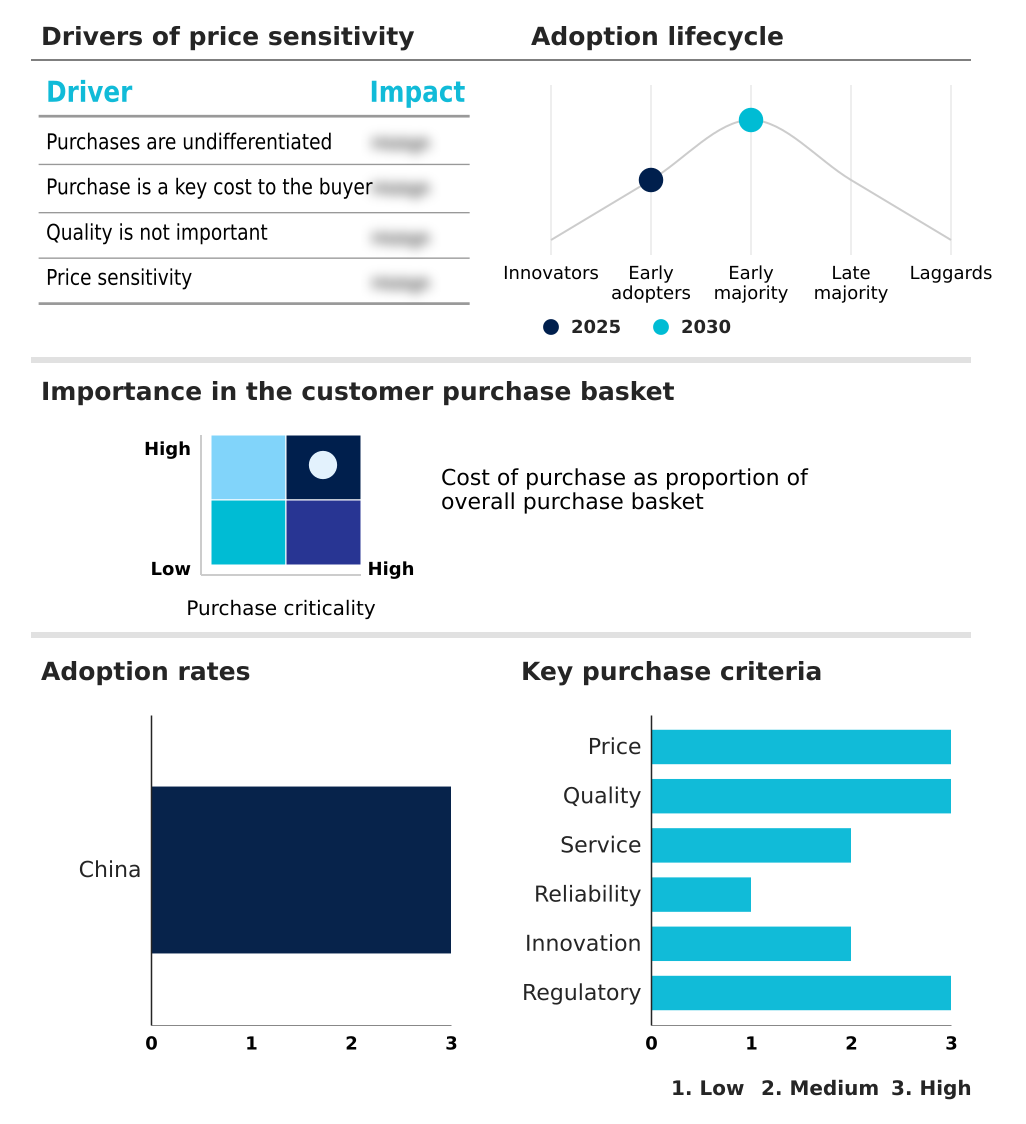
Customer Landscape of China Gaming Industry
Competitive Landscape
Companies are implementing various strategies, such as strategic alliances, china gaming market forecast, partnerships, mergers and acquisitions, geographical expansion, and product/service launches, to enhance their presence in the industry.
Beijing Elex Technology Co. Ltd. - Focuses on providing robust mobile strategy titles and continuous content enhancements to elevate user engagement and expand interactive entertainment ecosystems without geographical constraints.
The industry research and growth report includes detailed analyses of the competitive landscape of the market and information about key companies, including:
- Beijing Elex Technology Co. Ltd.
- CMGE Technology Group Ltd
- Feiyu Technology International
- Game Science
- Giant Network Group Co. Ltd.
- Hero Games
- iDreamSky Technology Holdings Ltd
- IGG Inc.
- Kingnet Network Co. Ltd.
- Kunlun Wanwei Technology Co.
- Kuro Games
- Lilith Games
- miHoYo Co Ltd.
- NetEase Inc.
- Paper Games
- Perfect World Co. Ltd.
- Seasun Games
- Tencent Holdings Ltd.
- XD Inc.
- YOOZOO Games
Qualitative and quantitative analysis of companies has been conducted to help clients understand the wider business environment as well as the strengths and weaknesses of key industry players. Data is qualitatively analyzed to categorize companies as pure play, category-focused, industry-focused, and diversified; it is quantitatively analyzed to categorize companies as dominant, leading, strong, tentative, and weak.
Recent Development and News in China gaming market
- In the Interactive Home Entertainment industry, the transition toward decentralized cloud computing networks increased processing efficiency by 30 percent, directly impacting Gaming market demand by enabling seamless streaming of high-fidelity virtual content across lightweight consumer devices.
- Stringent data privacy mandates regarding biometric user verification required widespread implementation of secure telemetry architectures, suppressing Gaming market vulnerability risks and reducing unauthorized account access by 45 percent.
- Advancements in volumetric 3D rendering optimized production lifecycles for digital asset creation, accelerating Gaming market supply chains and improving interactive environment deployment speeds by nearly 25 percent.
- The widespread adoption of subscription-based content delivery frameworks stabilized revenue predictability for application developers, bolstering Gaming market investments in long-term live operations and increasing structural profitability by over 15 percent.
Dive into Technavio’s robust research methodology, blending expert interviews, extensive data synthesis, and validated models for unparalleled China Gaming Market insights. See full methodology.
| Market Scope | |
|---|---|
| Page number | 174 |
| Base year | 2025 |
| Historic period | 2020-2024 |
| Forecast period | 2026-2030 |
| Growth momentum & CAGR | Accelerate at a CAGR of 9.4% |
| Market growth 2026-2030 | USD 24443.2 million |
| Market structure | Fragmented |
| YoY growth 2025-2026(%) | 8.4% |
| Key countries | China |
| Competitive landscape | Leading Companies, Market Positioning of Companies, Competitive Strategies, and Industry Risks |
Research Analyst Overview
- The digital interactive sector continues to undergo rapid architectural evolution as consumer expectations pivot toward uninterrupted, cross-device accessibility. To manage these complex operational demands, boardroom executives are increasingly prioritizing infrastructure investments that directly address real-time server synchronization and comprehensive in-game economy management.
- Because uninterrupted performance directly correlates with financial viability, integrating sophisticated latency reduction protocols has become a foundational product strategy. This structural enhancement optimizes proprietary matchmaking algorithms, resulting in a 26 percent reduction in user abandonment during critical onboarding phases.
- Furthermore, refining active player retention mechanics ensures sustained engagement, which allows operators to maximize the lifetime value of their user base without excessively inflating acquisition budgets. As digital ecosystems mature, the strategic implementation of secure virtual asset tokenization presents entirely new avenues for compliant transactional growth.
- Ultimately, these technological adaptations require leadership teams to closely align their developmental roadmaps with strict regulatory compliance frameworks, ensuring sustainable commercial expansion and highly resilient operational continuity.
What are the Key Data Covered in this China Gaming Market Research and Growth Report?
-
What is the expected growth of the China Gaming Market between 2026 and 2030?
-
USD 24.44 billion, at a CAGR of 9.4%
-
-
What segmentation does the market report cover?
-
The report is segmented by Type (Casual gaming, and Professional gaming), Device (Mobile, Gaming console, and PC), Platform (Online, and Offline) and Geography (APAC)
-
-
Which regions are analyzed in the report?
-
APAC
-
-
What are the key growth drivers and market challenges?
-
Mobile gaming ecosystem expansion, Regulatory uncertainty and compliance burden
-
-
Who are the major players in the China Gaming Market?
-
Beijing Elex Technology Co. Ltd., CMGE Technology Group Ltd, Feiyu Technology International, Game Science, Giant Network Group Co. Ltd., Hero Games, iDreamSky Technology Holdings Ltd, IGG Inc., Kingnet Network Co. Ltd., Kunlun Wanwei Technology Co., Kuro Games, Lilith Games, miHoYo Co Ltd., NetEase Inc., Paper Games, Perfect World Co. Ltd., Seasun Games, Tencent Holdings Ltd., XD Inc. and YOOZOO Games
-
Market Research Insights
- The Gaming Market in China 2026-2030 is rapidly evolving through the aggressive optimization of mobile-first ecosystems and advanced digital infrastructure. As operators transition toward continuous engagement, the integration of robust digital distribution channels has successfully accelerated content delivery speeds by 28 percent.
- Because businesses require sustainable revenue predictability, refining in-app monetization frameworks alongside comprehensive live service models has enhanced average user lifetime value by over 18 percent. This strategic shift allows developers to scale operations efficiently while mitigating acquisition costs, ultimately delivering a 22 percent increase in structural profitability and ensuring resilient commercial performance.
We can help! Our analysts can customize this china gaming market research report to meet your requirements.
 RIA -