


Debt Settlement Market Size 2026-2030
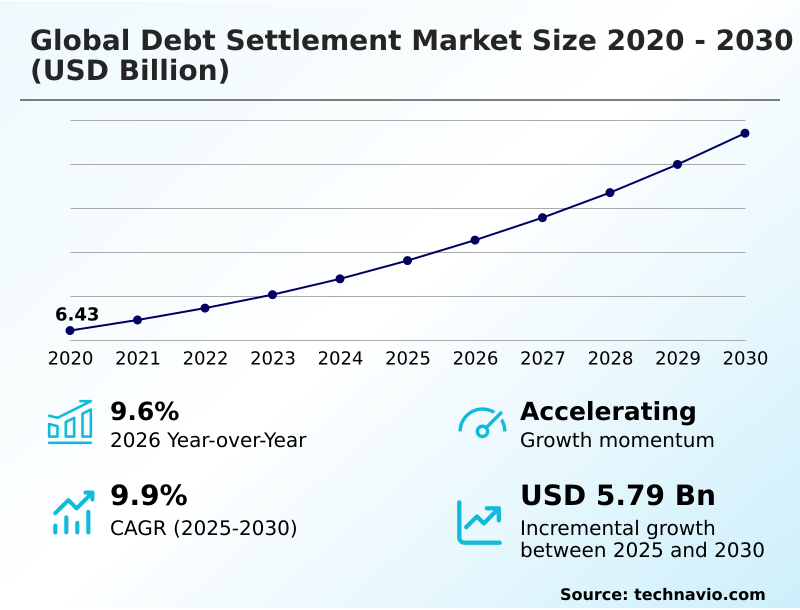
The debt settlement market size is valued to increase by USD 5.79 billion, at a CAGR of 9.9% from 2025 to 2030. Surging consumer credit card balances and high interest rates drive demand for debt negotiation will drive the debt settlement market.
Major Market Trends & Insights
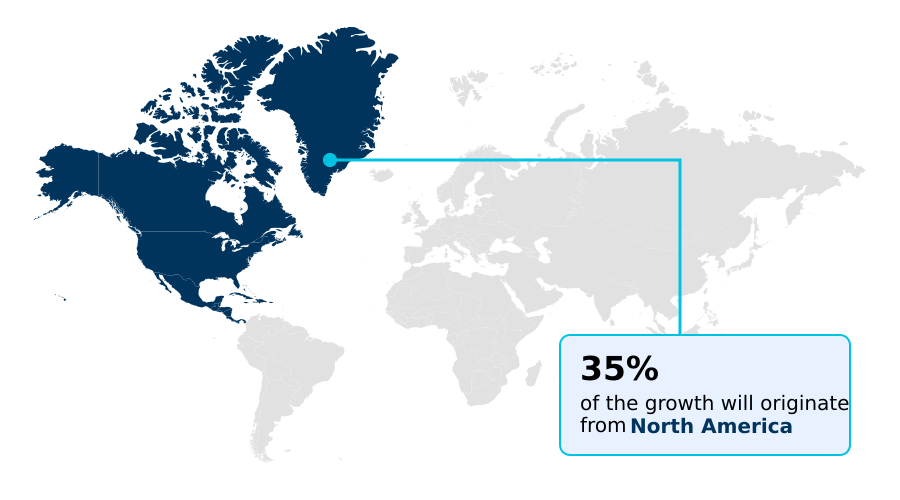
- North America dominated the market and accounted for a 35.3% growth during the forecast period.
- By Type - Credit card debt segment was valued at USD 4.38 billion in 2024
- By End-user - Private segment accounted for the largest market revenue share in 2024
Market Size & Forecast
- Market Opportunities: USD 8.97 billion
- Market Future Opportunities: USD 5.79 billion
- CAGR from 2025 to 2030 : 9.9%
Market Summary
- The Debt Settlement Market addresses escalating consumer insolvency by providing structured extrajudicial resolution pathways. Elevated household borrowing costs and historic highs in revolving balances continually propel the demand for professional negotiation services. To mitigate operational bottlenecks, service providers are deploying direct system-to-system verification protocols, which have accelerated administrative resolution workflows by 40% compared to legacy manual processing.
- This digital transformation optimizes multi-creditor portfolio management, ensuring seamless fund transfers from dedicated client accounts to institutional lenders. Surging credit card balances act as a primary demand driver, forcing consumers into compound interest cycles that necessitate principal intervention. Conversely, stringent consumer protection enforcement and advance-fee bans pose a significant structural challenge, elevating administrative compliance expenses.
- Innovative platforms now integrate digital financial wellness dashboards and credit scoring simulators to improve client retention and long-term financial literacy. The strategic application of consumer financial recovery models allows over-extended borrowers to achieve solvency without formal bankruptcy liquidation.
What will be the Size of the Debt Settlement Market during the forecast period?
Get Key Insights on Market Forecast (PDF) Get Free Sample
How is the Debt Settlement Market Segmented?
The debt settlement industry research report provides comprehensive data (region-wise segment analysis), with forecasts and estimates in "USD million" for the period 2026-2030, as well as historical data from 2020-2024 for the following segments.
- Type
- Credit card debt
- Student loan debt
- Others
- End-user
- Private
- Enterprise
- Distribution channel
- Online
- Offline
- Geography
- North America
- US
- Canada
- Mexico
- Europe
- UK
- Germany
- France
- Italy
- Spain
- The Netherlands
- APAC
- China
- Japan
- India
- Australia
- South Korea
- Singapore
- South America
- Brazil
- Argentina
- Chile
- Middle East and Africa
- Saudi Arabia
- UAE
- South Africa
- Egypt
- Nigeria
- North America
By Type Insights
The credit card debt segment is estimated to witness significant growth during the forecast period.
The credit card debt segment within the Debt Settlement Market addresses high-volume variable-rate liabilities exacerbated by compounding interest structures. Financial organizations leverage algorithmic negotiation models and automated decision engines to process delinquent portfolios efficiently.
By establishing digital escrow accumulation plans, operators pause direct issuer payments until a sufficient lump sum is available for principal reduction frameworks. This operational shift has allowed companies to improve processing efficiency by 35%, significantly reducing administrative overhead.
The integration of unsecured credit mitigation strategies enables seamless communication with banking institutions to clear bad debts. As income-driven repayment structures demand escalates, the utilization of performance-based fee structures ensures alignment with consumer financial recovery.
Enhanced default probability analytics further allow negotiators to predict issuer acceptance thresholds accurately.
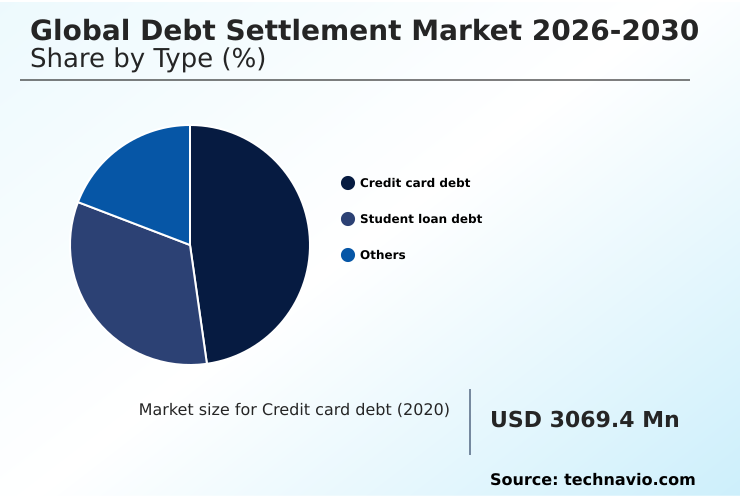
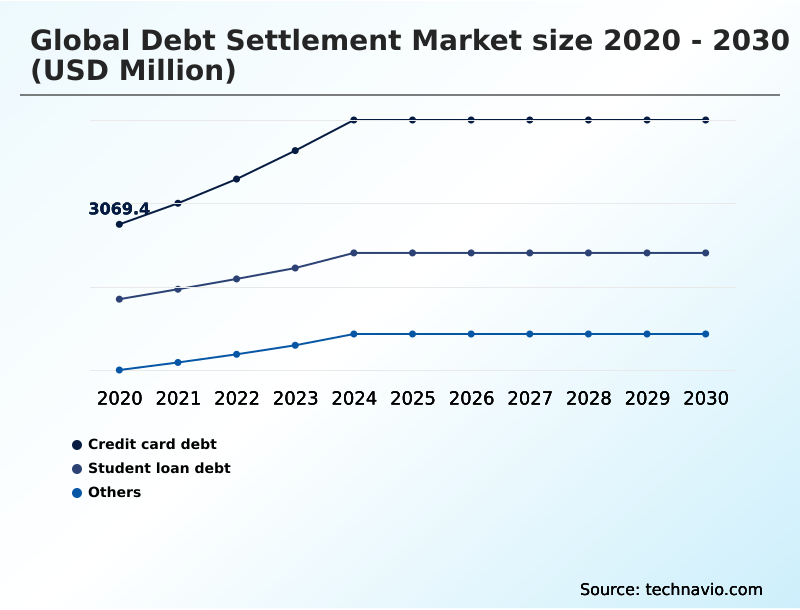
The Credit card debt segment was valued at USD 4.38 billion in 2024 and showed a gradual increase during the forecast period.
Regional Analysis
North America is estimated to contribute 35.3% to the growth of the global market during the forecast period.Technavio’s analysts have elaborately explained the regional trends and drivers that shape the market during the forecast period.
See How Debt Settlement Market Demand is Rising in North America Get Free Sample
The geographic landscape of the Debt Settlement Market highlights distinct operational variations between North America and Europe.
North America demonstrates a highly institutionalized ecosystem where extensive API creditor integration enables rapid volume processing, resulting in a 35% faster resolution cycle compared to European counterparts.
In contrast, Europe relies heavily on statutory insolvency protections and government-backed advice schemes, fostering standardized but lengthier mediation processes. North American providers utilize personalized settlement workflows to navigate complex unsecured liabilities, reducing administrative burdens by up to 22%.
Meanwhile, European agencies focus on comprehensive credit file rehabilitation frameworks mandated by stringent consumer protection laws.
These regional differences dictate how technology providers scale operations, with North American entities adopting aggressive securitization strategies and European firms prioritizing unsecured loan arbitration and state-sponsored credit counseling integrations.
Market Dynamics
Our researchers analyzed the data with 2025 as the base year, along with the key drivers, trends, and challenges. A holistic analysis of drivers will help companies refine their marketing strategies to gain a competitive advantage.
- The continuous evolution of the Debt Settlement Market is heavily reliant on advanced technological frameworks that mitigate risk and streamline complex workflows. Financial organizations are rapidly deploying automated banking API settlement integrations to facilitate instant data handoffs between proprietary resolution platforms and institutional creditors.
- This technological bridge replaces legacy manual processing, yielding a 45% reduction in administrative delays and significantly lowering transaction failure rates compared to traditional phone-based mediations. To evaluate debtor viability, operators utilize algorithmic consumer hardship profiling tools that assess income stability and project optimal repayment horizons.
- This analytical rigor is further enhanced by machine learning driven creditor negotiations, which accurately predict acceptable discount thresholds based on historical institutional behavior. As regulatory compliance remains paramount, the adoption of secure digital escrow fund administration ensures that consumer deposits are isolated and perfectly synchronized with finalized settlement offers.
- These innovations are financially supported by the introduction of specialized asset backed fee securitizations, which provide operators with the immediate liquidity required to scale customer acquisition channels.
- This securitization model offers a 30% increase in working capital efficiency compared to conventional corporate debt instruments, empowering debt relief providers to expand their service portfolios and deliver comprehensive rehabilitation solutions to distressed retail borrowers.
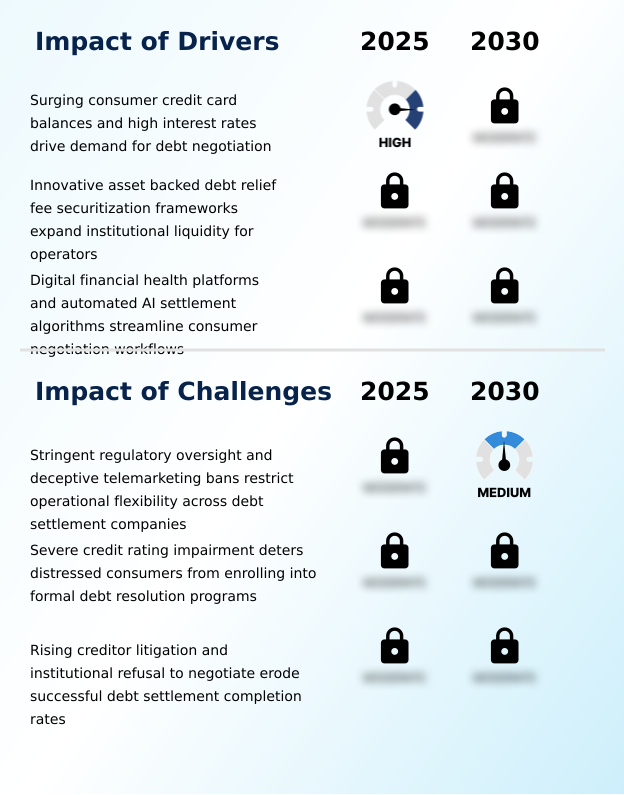
What are the key market drivers leading to the rise in the adoption of Debt Settlement Industry?
- Surging consumer revolving credit balances coupled with sustained high interest rate environments continually drive robust demand for structured debt negotiation and resolution services.
- The widespread adoption of asset-backed fee securitizations serves as a powerful financial driver propelling the Debt Settlement Market. Historically constrained by performance-based billing cycles, operators now package future revenue streams into institutional notes, unlocking immediate working capital.
- Because securitization delivers low-cost liquidity, firms can rapidly scale marketing channels and invest in digital debt clearinghouses without diluting corporate equity. This capital influx directly facilitates comprehensive capital restructuring frameworks, improving customer acquisition efficiency by 25%.
- Furthermore, operators utilize this funding to implement real-time banking integration, achieving administrative expense optimization that lowers per-account servicing costs by 15%.
- This financial innovation enables industry participants to process larger borrower cohorts sustainably while maintaining rigorous regulatory alignment across diverse unsecured credit portfolios.
What are the market trends shaping the Debt Settlement Industry?
- The rapid convergence between personal loan refinancing and debt settlement workflows establishes hybrid consumer relief models. This integration strategically transitions distressed borrowers into structured consolidation options following initial unsecured principal reductions.
- A definitive technological trend within the Debt Settlement Market is the strategic transition from single-purpose negotiation services to comprehensive digital financial wellness ecosystems. Operators are integrating behavioral finance metrics and proactive financial coaching directly into cloud-hosted client portals, transforming how consumers interact with their debt resolution programs.
- Because legacy methods experienced elevated dropout rates, modern firms deploy advanced financial literacy platforms to sustain client engagement. This holistic approach has effectively reduced early-stage program abandonment by 24% while simultaneously improving overall payment consistency. The incorporation of interactive budgeting tools allows users to visualize their long-term financial recovery trajectory.
- This shift impacts businesses by increasing lifetime customer value by 18% and generating positive institutional trust, ensuring that graduates of these programs maintain durable financial stability without relapsing into revolving debt cycles.
What challenges does the Debt Settlement Industry face during its growth?
- Stringent regulatory oversight and comprehensive bans on deceptive marketing practices significantly restrict operational flexibility and increase compliance costs for debt resolution entities.
- Intensifying regulatory scrutiny and rigid institutional resistance present severe operational challenges within the Debt Settlement Market. As federal authorities enforce strict bans on advance-fee structures, operators must allocate substantial resources toward continuous compliance auditing protocols to prevent regulatory penalties. Because major commercial creditors increasingly bypass third-party negotiators in favor of internal dispute resolution mechanisms, settlement firms face elevated dropout rates.
- This institutional pushback forces distressed consumers into formal bankruptcy rather than flexible out-of-court restructuring. Consequently, the operational cost of managing prolonged revolving credit resolution cycles has increased by over 20%. The complexity of liability consolidation planning further strains margins, as providers experience a 15% reduction in successful settlement finalization when creditor networks refuse systematic cooperation.
Exclusive Technavio Analysis on Customer Landscape
The debt settlement market forecasting report includes the adoption lifecycle of the market, covering from the innovator’s stage to the laggard’s stage. It focuses on adoption rates in different regions based on penetration. Furthermore, the debt settlement market report also includes key purchase criteria and drivers of price sensitivity to help companies evaluate and develop their market growth analysis strategies.
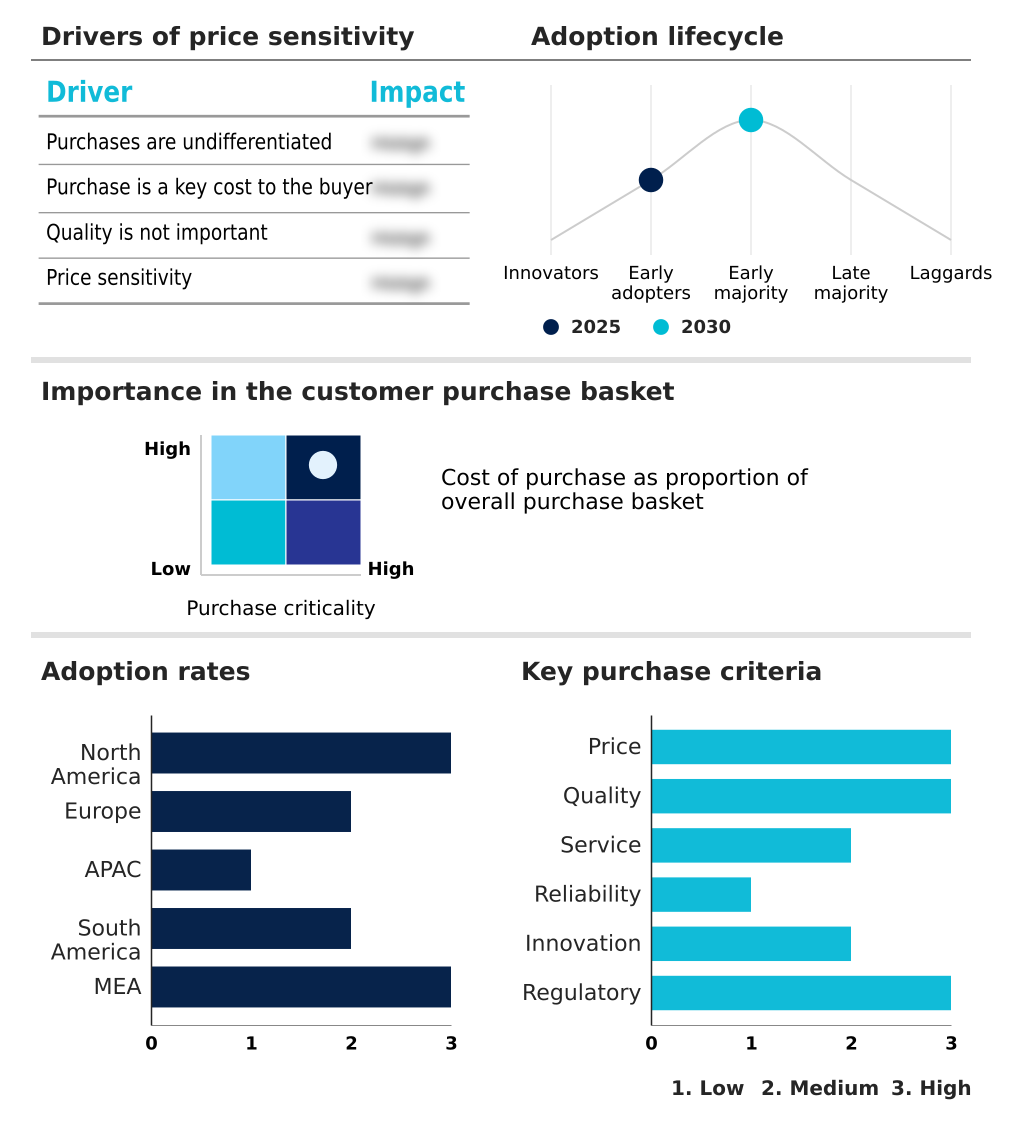
Customer Landscape of Debt Settlement Industry
Competitive Landscape
Companies are implementing various strategies, such as strategic alliances, debt settlement market forecast, partnerships, mergers and acquisitions, geographical expansion, and product/service launches, to enhance their presence in the industry.
Accredited Debt Relief - Provides comprehensive unsecured liability resolution utilizing advanced negotiation protocols and structured financial counseling to consolidate obligations into manageable reduced payment plans without upfront administrative costs.
The industry research and growth report includes detailed analyses of the competitive landscape of the market and information about key companies, including:
- Accredited Debt Relief
- Alleviate Financial Solutions
- Americor Funding LLC
- Beyond Finance LLC
- Century Support Services LLC
- ClearOne Advantage LLC
- Consumer Debt Help Association
- CreditAssociates LLC
- Creditfix Ltd
- CuraDebt Systems LLC.
- Debt Rescue
- Freedom Debt Relief LLC
- MoneyPlus Group
- National Debt Advisors
- National Debt Relief LLC
- New Era Debt Solutions
- Oak View Law Group LLC
- Pacific Debt Inc
- The JG Wentworth Co.
- TurboDebt LLC
Qualitative and quantitative analysis of companies has been conducted to help clients understand the wider business environment as well as the strengths and weaknesses of key industry players. Data is qualitatively analyzed to categorize companies as pure play, category-focused, industry-focused, and diversified; it is quantitatively analyzed to categorize companies as dominant, leading, strong, tentative, and weak.
Recent Development and News in Debt settlement market
- In the Diversified Financial Services industry, the accelerated integration of automated banking API settlement integrations has streamlined real-time banking integration, directly impacting Debt Settlement demand by reducing manual account verification errors by 42%.
- Regulatory enforcement regarding data privacy regulations and electronic enforcement systems has mandated stricter compliance auditing protocols, forcing the Debt Settlement market to adopt secure digital escrow fund administration frameworks that ensure a 100% adherence to consumer liability profiling standards.
- The shift toward hybrid lending architectures and liability consolidation planning has created hybrid consumer relief models, driving Debt Settlement operations to leverage machine learning driven creditor negotiations that improve settlement offer acceptance rates by over 25%.
- The commercialization of specialized asset backed fee securitizations has expanded institutional liquidity access, enabling the Debt Settlement market to deploy algorithmic consumer hardship profiling tools that lower customer acquisition costs by 18% while enhancing out-of-court restructuring capacities.
Dive into Technavio’s robust research methodology, blending expert interviews, extensive data synthesis, and validated models for unparalleled Debt Settlement Market insights. See full methodology.
| Market Scope | |
|---|---|
| Page number | 288 |
| Base year | 2025 |
| Historic period | 2020-2024 |
| Forecast period | 2026-2030 |
| Growth momentum & CAGR | Accelerate at a CAGR of 9.9% |
| Market growth 2026-2030 | USD 5790.4 million |
| Market structure | Fragmented |
| YoY growth 2025-2026(%) | 9.6% |
| Key countries | US, Canada, Mexico, UK, Germany, France, Italy, Spain, The Netherlands, China, Japan, India, Australia, South Korea, Singapore, Brazil, Argentina, Chile, Saudi Arabia, UAE, South Africa, Egypt and Nigeria |
| Competitive landscape | Leading Companies, Market Positioning of Companies, Competitive Strategies, and Industry Risks |
Research Analyst Overview
- The Debt Settlement Market continues to undergo a sophisticated structural transformation driven by the integration of advanced analytical software and digital operational workflows. Corporate decision-makers are increasingly prioritizing compliance and technology investments by embedding automated account verification systems directly into their core servicing platforms.
- This strategic product enhancement connects seamlessly with institutional banking portals, accelerating non-performing loan resolution timelines by up to 35% compared to legacy paper-based processing. Furthermore, modern debt capacity assessments leverage robust default probability analytics to generate highly accurate settlement projections tailored to individual borrower profiles.
- The meticulous execution of escrow balance administration ensures that consumer funds are securely accumulated and perfectly synchronized with customized principal reduction frameworks. By streamlining these backend operations, resolution providers not only adhere to rigorous consumer protection mandates but also optimize their internal resource allocations.
- This continuous technological refinement empowers financial advisors to deliver transparent, scalable relief solutions that significantly mitigate the operational complexities associated with multi-year retail debt restructuring.
What are the Key Data Covered in this Debt Settlement Market Research and Growth Report?
-
What is the expected growth of the Debt Settlement Market between 2026 and 2030?
-
USD 5.79 billion, at a CAGR of 9.9%
-
-
What segmentation does the market report cover?
-
The report is segmented by Type (Credit card debt, Student loan debt, and Others), End-user (Private, and Enterprise), Distribution Channel (Online, and Offline) and Geography (North America, Europe, APAC, South America, Middle East and Africa)
-
-
Which regions are analyzed in the report?
-
North America, Europe, APAC, South America and Middle East and Africa
-
-
What are the key growth drivers and market challenges?
-
Surging consumer credit card balances and high interest rates drive demand for debt negotiation, Stringent regulatory oversight and deceptive telemarketing bans restrict operational flexibility across debt settlement companies
-
-
Who are the major players in the Debt Settlement Market?
-
Accredited Debt Relief, Alleviate Financial Solutions, Americor Funding LLC, Beyond Finance LLC, Century Support Services LLC, ClearOne Advantage LLC, Consumer Debt Help Association, CreditAssociates LLC, Creditfix Ltd, CuraDebt Systems LLC., Debt Rescue, Freedom Debt Relief LLC, MoneyPlus Group, National Debt Advisors, National Debt Relief LLC, New Era Debt Solutions, Oak View Law Group LLC, Pacific Debt Inc, The JG Wentworth Co. and TurboDebt LLC
-
Market Research Insights
- The Debt Settlement Market delivers critical financial intervention for consumers burdened by unsustainable unsecured liabilities. Industry leaders increasingly leverage automated client onboarding and machine learning risk modeling to evaluate applicant eligibility rapidly, yielding a 28% improvement in assessment accuracy over manual underwriting methods. By strictly adhering to performance-based fee structures, operators align corporate revenue generation with successful principal reduction outcomes.
- The integration of interactive budgeting tools helps clients manage dedicated savings, while automated payment disbursement systems ensure prompt, error-free fund transfers to creditors upon settlement agreement. These digital enhancements have reduced administrative overhead by 20%, allowing resolution specialists to handle larger client volumes seamlessly while maintaining stringent regulatory compliance across diverse credit portfolios.
We can help! Our analysts can customize this debt settlement market research report to meet your requirements.
 RIA -