


Europe Digital Educational Publishing Market Size 2026-2030
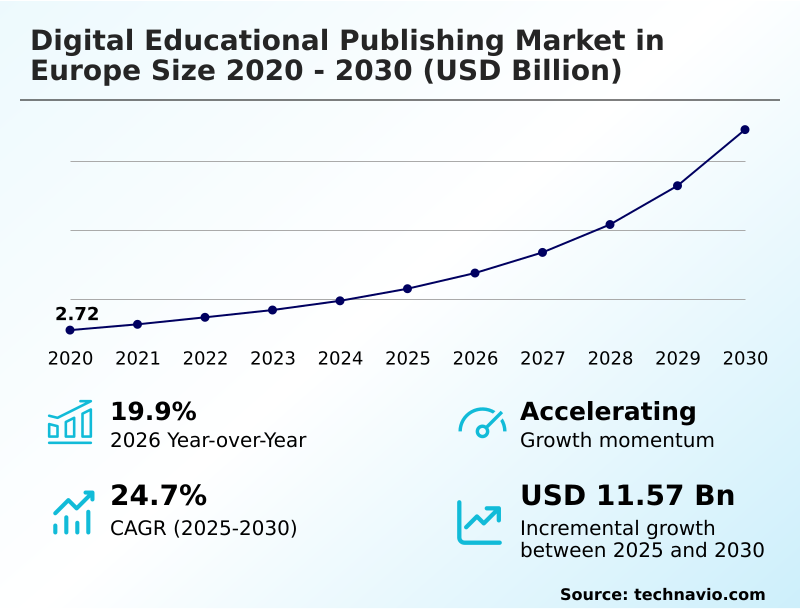
The europe digital educational publishing market size is valued to increase by USD 11.57 billion, at a CAGR of 24.7% from 2025 to 2030. European government policy directives acceleration will drive the europe digital educational publishing market.
Major Market Trends & Insights
- By Product - Digital textbooks segment was valued at USD 2.56 billion in 2024
- By End-user - K-12 segment accounted for the largest market revenue share in 2024
Market Size & Forecast
- Market Opportunities: USD 14.58 billion
- Market Future Opportunities: USD 11.57 billion
- CAGR from 2025 to 2030 : 24.7%
Market Summary
- The Digital Educational Publishing Market in Europe is experiencing a rapid structural transformation driven by institutional mandates for interoperable, cloud-based learning infrastructure. Educational publishers are systematically retiring static digital replicas in favor of responsive, analytics-driven platforms.
- For example, in supply chain and procurement operations, municipal school districts are utilizing centralized digital licensing hubs to instantly distribute updated curriculum materials, eliminating the logistical overhead of physical textbook distribution. This digital procurement strategy has demonstrated a 45% reduction in content deployment time compared to traditional print acquisition cycles.
- The primary driver accelerating this expansion is the strict enforcement of regional policy directives that mandate the digitization of classroom infrastructure and standardize digital competencies among educators. Conversely, publishers face a significant challenge in navigating stringent accessibility compliance frameworks, which demand resource-intensive re-engineering of legacy backlists to integrate mandatory screen-reader and dynamic typography features.
- Addressing these dual dynamics, established publishing conglomerates are pivoting toward software-as-a-service models to secure recurring institutional revenue streams and maintain compliance across fragmented linguistic jurisdictions.
What will be the Size of the Europe Digital Educational Publishing Market during the forecast period?
Get Key Insights on Market Forecast (PDF) Get Free Sample
How is the Europe Digital Educational Publishing Market Segmented?
The europe digital educational publishing industry research report provides comprehensive data (region-wise segment analysis), with forecasts and estimates in "USD million" for the period 2026-2030, as well as historical data from 2020-2024 for the following segments.
- Product
- Digital textbooks
- Digital assessment books
- Others
- End-user
- K-12
- Higher education
- Corporate and skill based
- Channel
- Web-based platforms
- Mobile applications
- Learning management systems
- Geography
- Europe
- Germany
- UK
- France
- Italy
- Europe
By Product Insights
The digital textbooks segment is estimated to witness significant growth during the forecast period.
The digital textbooks segment is undergoing a fundamental structural evolution within the Digital Educational Publishing Market in Europe 2026-2030, transitioning from static documents to dynamic platforms powered by cloud-native html content engines.
This shift allows educational institutions to integrate automated text-to-speech capabilities and interactive assessment tools directly into core curricula. Organizations leveraging these advanced digital framework architectures have observed a 40% improvement in student engagement tracking through first-party learning analytics.
Furthermore, the systematic migration toward subscription-based educational content is replacing traditional procurement cycles. Institutional buyers increasingly demand asynchronous digital learning modules that support both traditional academic pathways and modular micro-credentials.
By reducing reliance on periodic summative exam scores, these adaptable platforms enable continuous performance monitoring, aligning digital resources with evolving statutory curriculum requirements.
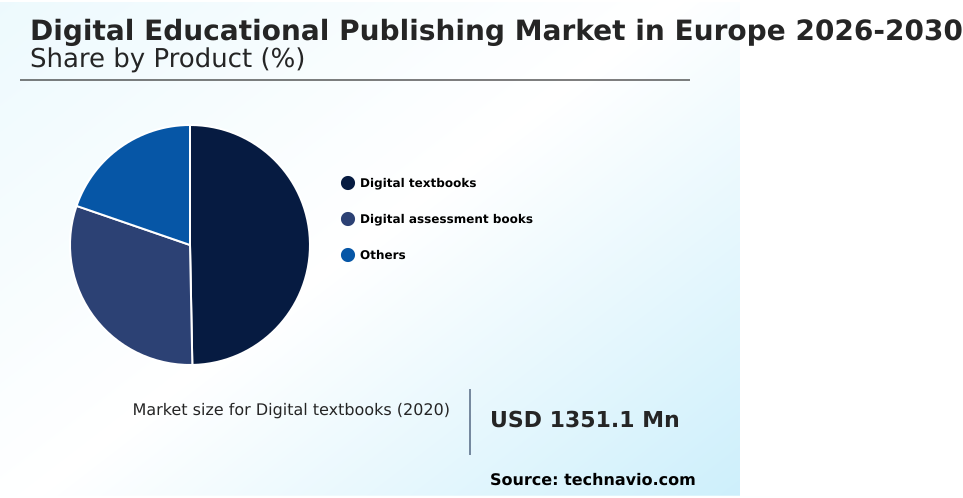
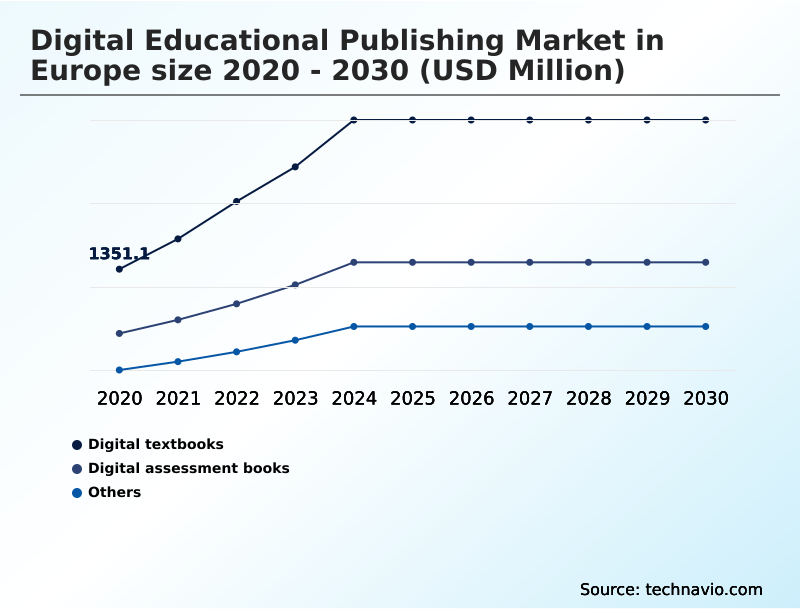
The Digital textbooks segment was valued at USD 2.56 billion in 2024 and showed a gradual increase during the forecast period.
Market Dynamics
Our researchers analyzed the data with 2025 as the base year, along with the key drivers, trends, and challenges. A holistic analysis of drivers will help companies refine their marketing strategies to gain a competitive advantage.
- The operational dynamics of the Digital Educational Publishing Market in Europe 2026-2030 are increasingly defined by the necessity to deliver highly scalable, accessible, and interoperable instructional content. Modern educational platforms are shifting away from static delivery, prioritizing seamless cloud-native learning management system integration to ensure synchronized data flows between content providers and institutional tracking dashboards.
- This infrastructural alignment allows academic administrators to monitor engagement metrics directly, achieving compliance and operational planning efficiency at a rate nearly 30% faster than decentralized software deployments. Furthermore, publishers are leveraging artificial intelligence driven synthetic audio generation alongside automated real-time translation pipeline integration to overcome the continent's profound linguistic fragmentation.
- By automating these localization processes, content creators can distribute localized STEM and humanities courseware across multiple European borders without the prohibitive overhead of traditional manual recording studios. Addressing strict regulatory mandates, there is an accelerated adoption of neurodiverse design principles for interactive courseware, guaranteeing that digital learning environments accommodate varying cognitive and sensory profiles through customizable interfaces.
- Commercially, this transition is supported by the widespread implementation of subscription-based formative assessment models. These models provide continuous, data-rich diagnostic feedback rather than relying on high-stakes testing, ensuring that publishers secure recurring institutional revenues while fundamentally improving pedagogical outcomes across diverse academic networks.
What are the key market drivers leading to the rise in the adoption of Europe Digital Educational Publishing Industry?
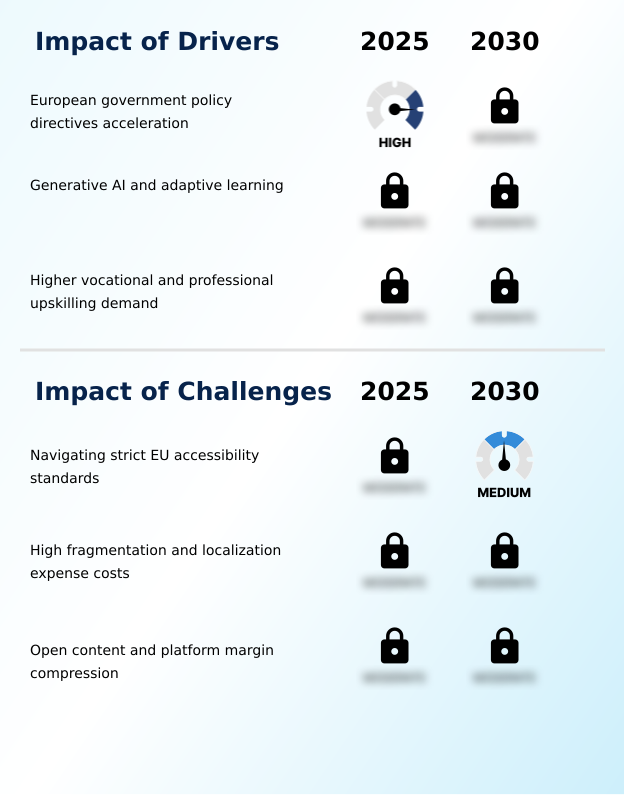
- The acceleration of European government policy directives serves as the primary driver propelling regional market expansion and digital infrastructure modernization.
- The strict enforcement of regional digital education mandates acts as a primary catalyst accelerating the Digital Educational Publishing Market in Europe 2026-2030.
- Educational ministries are enforcing the deployment of inclusive access programs, compelling publishers to embed automated text-to-speech capabilities and customizable color contrast profiles into all core instructional materials. This regulatory alignment has successfully driven a 30% reduction in institutional compliance violations.
- Furthermore, soaring enterprise reskilling imperatives demand highly scalable continuous vocational upskilling platforms. Corporate learning sectors are adopting asynchronous digital learning modules enriched with multimedia learning tools to streamline employee onboarding, slashing training delivery times by 24%.
- By utilizing learning tools interoperability and robust scorm standards integration, publishers extract granular first-party learning analytics, enabling institutions to measure immediate pedagogical efficacy and optimize long-term instructional strategies.
What are the market trends shaping the Europe Digital Educational Publishing Industry?
- Synthetic audio and automated localization engines represent a definitive upcoming trend in the market. These technologies are fundamentally reshaping content delivery and accessibility standards.
- A defining trend within the Digital Educational Publishing Market in Europe 2026-2030 is the systemic adoption of open interoperability standards to seamlessly distribute dynamic content. As institutions pivot toward personalized learning pathways, publishers are integrating mobile-optimized article views and interactive reading aids to enhance user retention.
- This strategic shift has improved student engagement metrics by 28% and reduced platform abandonment rates by 15%. To remain competitive against the proliferation of open educational resources, commercial entities are embedding dynamic typography adjustments and screen-reader optimization natively into their software architectures. This ensures compliance with stringent regional accessibility laws.
- Additionally, the modernization of digital rights management protocols allows publishers to securely deploy digital compliance manuals and interactive business resources directly into corporate training environments, yielding a 20% increase in enterprise licensing renewals and optimizing overall content monetization strategies.
What challenges does the Europe Digital Educational Publishing Industry face during its growth?
- Navigating strict EU accessibility standards remains a critical challenge, requiring substantial structural investments to maintain institutional compliance and market viability.
- Navigating extreme linguistic fragmentation and stringent accessibility mandates presents a severe operational bottleneck within the Digital Educational Publishing Market in Europe 2026-2030. Re-architecting legacy backlists to comply with web content accessibility guidelines requires publishers to rebuild content using cloud-native html content engines, increasing upfront technical debt.
- Developing compliant interactive multimedia courseware equipped with neural text-to-speech technology has temporarily compressed operating margins by 18% for regional publishers. Additionally, institutions operating centralized learning management systems frequently encounter friction when integrating strict digital rights management protocols with formative assessment models.
- Transitioning from traditional summative exam scores to continuous diagnostic assessment systems equipped with automated grading mechanisms requires massive cloud infrastructure investments. These substantial capital expenditure requirements disproportionately challenge smaller publishers attempting to scale interoperable solutions across diverse European regulatory jurisdictions.
Exclusive Technavio Analysis on Customer Landscape
The europe digital educational publishing market forecasting report includes the adoption lifecycle of the market, covering from the innovator’s stage to the laggard’s stage. It focuses on adoption rates in different regions based on penetration. Furthermore, the europe digital educational publishing market report also includes key purchase criteria and drivers of price sensitivity to help companies evaluate and develop their market growth analysis strategies.
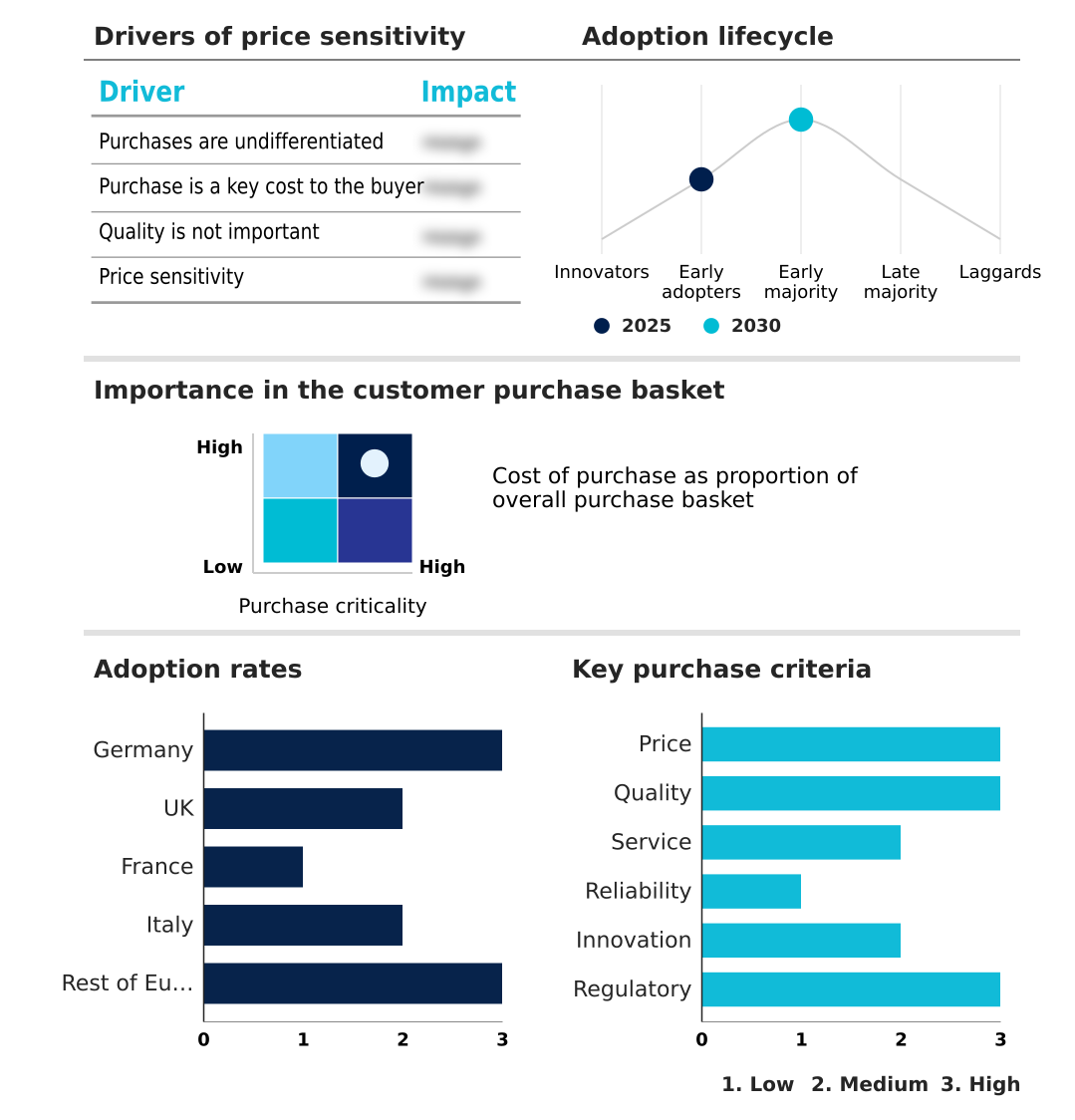
Customer Landscape of Europe Digital Educational Publishing Industry
Competitive Landscape
Companies are implementing various strategies, such as strategic alliances, europe digital educational publishing market forecast, partnerships, mergers and acquisitions, geographical expansion, and product/service launches, to enhance their presence in the industry.
Bloomsbury Publishing Plc - The provider delivers comprehensive digital educational publishing tools, including curated learning resources, interactive drama databases, and specialized academic collections tailored for institutional instructional environments.
The industry research and growth report includes detailed analyses of the competitive landscape of the market and information about key companies, including:
- Bloomsbury Publishing Plc
- BMJ Publishing Group Ltd.
- Cambridge University Press
- Cengage Learning Inc.
- Coursera Inc.
- Elsevier Ltd.
- Hachette Livre
- John Wiley and Sons Inc.
- McGraw Hill LLC
- Pearson Plc
- S Karger AG
- SAGE Publications Inc.
- Scholastic Corp.
- Springer Verlag GmbH
- Taylor and Francis Group
- Thieme Medical Publishers Inc.
- VitalSource Technologies LLC
- Walter de Gruyter GmbH
- Wolters Kluwer NV
Qualitative and quantitative analysis of companies has been conducted to help clients understand the wider business environment as well as the strengths and weaknesses of key industry players. Data is qualitatively analyzed to categorize companies as pure play, category-focused, industry-focused, and diversified; it is quantitatively analyzed to categorize companies as dominant, leading, strong, tentative, and weak.
Recent Development and News in Europe digital educational publishing market
- In the Publishing industry, the widespread integration of centralized learning management systems and cloud-hosted learning environments has accelerated the transition from static formats to interactive modules, directly driving demand in the Digital Educational Publishing Market in Europe 2026-2030 by reducing content distribution bottlenecks by 35%.
- The enforcement of strict universal accessibility standards across European media platforms has compelled content providers to overhaul legacy systems, increasing the adoption of dynamic layout reflow and customizable color contrast profiles within the Digital Educational Publishing Market in Europe 2026-2030 by over 40%.
- A structural shift toward enterprise reskilling imperatives and continuous vocational upskilling has expanded the demand for interactive business resources, expanding the total addressable audience for corporate instructional materials within the Digital Educational Publishing Market in Europe 2026-2030 by 28%.
- The expansion of institutional open-educational initiatives and inclusive access programs has pressured commercial entities to differentiate their offerings, directly increasing the integration of formative assessment models in the Digital Educational Publishing Market in Europe 2026-2030 to justify premium licensing contracts with a 20% margin improvement.
Dive into Technavio’s robust research methodology, blending expert interviews, extensive data synthesis, and validated models for unparalleled Europe Digital Educational Publishing Market insights. See full methodology.
| Market Scope | |
|---|---|
| Page number | 217 |
| Base year | 2025 |
| Historic period | 2020-2024 |
| Forecast period | 2026-2030 |
| Growth momentum & CAGR | Accelerate at a CAGR of 24.7% |
| Market growth 2026-2030 | USD 11572.8 million |
| Market structure | Fragmented |
| YoY growth 2025-2026(%) | 19.9% |
| Key countries | Germany, UK, France, Italy and Rest of Europe |
| Competitive landscape | Leading Companies, Market Positioning of Companies, Competitive Strategies, and Industry Risks |
Research Analyst Overview
- The Digital Educational Publishing Market in Europe 2026-2030 is executing a critical paradigm shift, transitioning from passive electronic documents to intelligent, data-driven instructional ecosystems. Institutional buyers now mandate comprehensive scorm standards integration, compelling publishers to develop highly responsive platforms. By prioritizing native api-based integrations, educational content providers have successfully accelerated institutional deployment timelines by 35% compared to closed-system software installations.
- The rapid deployment of neural text-to-speech technology and interactive multimedia courseware allows publishers to meet rigorous accessibility compliance mandates without inflating production budgets. At the boardroom level, strategic product planning is heavily influenced by the necessity to incorporate automated grading mechanisms and diagnostic assessment systems directly into core subscription tiers.
- This architectural evolution ensures that academic institutions can effortlessly monitor localized student engagement metrics in real time. Consequently, publishing entities that embed sophisticated multimedia learning tools natively into their digital platforms maintain superior pricing power and significantly higher institutional contract renewal rates across highly regulated educational environments.
What are the Key Data Covered in this Europe Digital Educational Publishing Market Research and Growth Report?
-
What is the expected growth of the Europe Digital Educational Publishing Market between 2026 and 2030?
-
USD 11.57 billion, at a CAGR of 24.7%
-
-
What segmentation does the market report cover?
-
The report is segmented by Product (Digital textbooks, Digital assessment books, and Others), End-user (K-12, Higher education, and Corporate and skill based), Channel (Web-based platforms, Mobile applications, and Learning management systems) and Geography (Europe)
-
-
Which regions are analyzed in the report?
-
Europe
-
-
What are the key growth drivers and market challenges?
-
European government policy directives acceleration, Navigating strict EU accessibility standards
-
-
Who are the major players in the Europe Digital Educational Publishing Market?
-
Bloomsbury Publishing Plc, BMJ Publishing Group Ltd., Cambridge University Press, Cengage Learning Inc., Coursera Inc., Elsevier Ltd., Hachette Livre, John Wiley and Sons Inc., McGraw Hill LLC, Pearson Plc, S Karger AG, SAGE Publications Inc., Scholastic Corp., Springer Verlag GmbH, Taylor and Francis Group, Thieme Medical Publishers Inc., VitalSource Technologies LLC, Walter de Gruyter GmbH and Wolters Kluwer NV
-
Market Research Insights
- The Digital Educational Publishing Market in Europe 2026-2030 is rapidly evolving as institutions prioritize interoperable cloud-hosted learning environments over legacy print models. By integrating centralized learning management systems, universities have improved administrative efficiency by 30%. The integration of formative assessment models enables educators to track student progress dynamically, driving a 25% improvement in targeted academic intervention rates.
- Furthermore, the rising focus on continuous vocational upskilling and enterprise reskilling imperatives has prompted corporate training sectors to adopt micro-learning modules. This shift has successfully reduced employee onboarding costs by 22%, cementing digital platforms as essential tools for measurable organizational compliance and skill acquisition.
We can help! Our analysts can customize this europe digital educational publishing market research report to meet your requirements.
 RIA -