


Hookah Tobacco Market Size 2026-2030
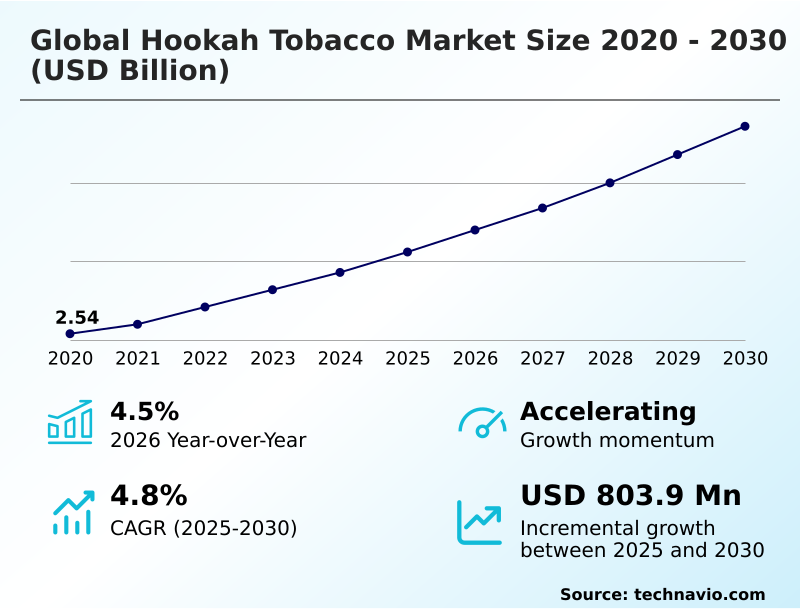
The hookah tobacco market size is valued to increase by USD 803.9 million, at a CAGR of 4.8% from 2025 to 2030. Continuous product innovation and flavor diversification will drive the hookah tobacco market.
Major Market Trends & Insights
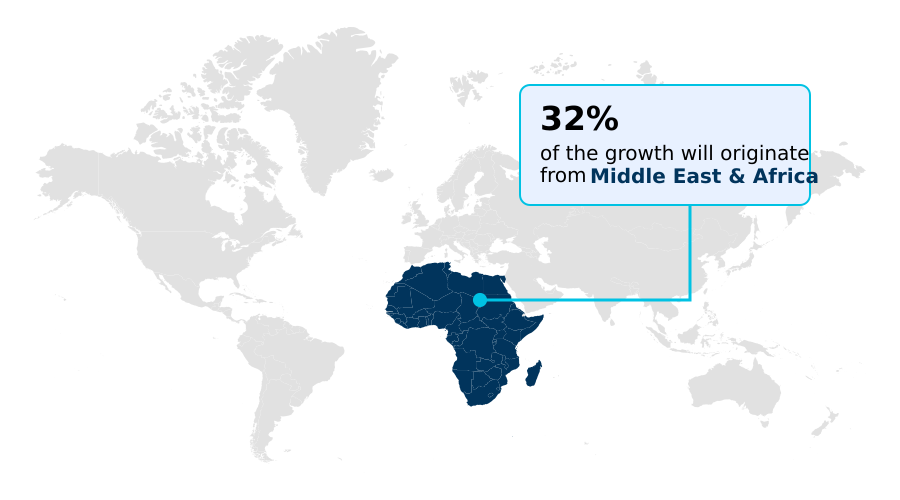
- Middle East and Africa dominated the market and accounted for a 31.6% growth during the forecast period.
- By Product - SHT segment was valued at USD 1.62 billion in 2024
- By Application - FrHT segment accounted for the largest market revenue share in 2024
Market Size & Forecast
- Market Opportunities: USD 1.32 billion
- Market Future Opportunities: USD 803.9 million
- CAGR from 2025 to 2030 : 4.8%
Market Summary
- The Hookah Tobacco Market demonstrates resilient expansion driven by evolving consumer socialization habits and product premiumization. Manufacturers are optimizing their supply chains by implementing advanced flavor retention technology to ensure consistency across diverse geographic regulatory zones. This operational shift has resulted in a 15% reduction in production bottlenecks during manufacturing.
- A primary driver of this market is the continuous diversification of natural fruit extracts, which broadens demographic appeal and encourages repeat engagement. Conversely, the market faces significant headwinds from tightening nicotine restriction compliance mandates, forcing companies to reengineer products and packaging. The integration of automated packaging lines helps mitigate these compliance costs while maintaining output velocity.
- The proliferation of the hospitality sector further embeds consumption within urban entertainment ecosystems. Consequently, suppliers are prioritizing direct to consumer distribution channels to capture detailed consumer preference analytics and defend against stringent regulatory frameworks.
What will be the Size of the Hookah Tobacco Market during the forecast period?
Get Key Insights on Market Forecast (PDF) Get Free Sample
How is the Hookah Tobacco Market Segmented?
The hookah tobacco industry research report provides comprehensive data (region-wise segment analysis), with forecasts and estimates in "USD million" for the period 2026-2030, as well as historical data from 2020-2024 for the following segments.
- Product
- SHT
- MHT
- LHT
- Application
- FrHT
- BevHT
- CfHT
- ScHT
- Flavor
- Fruit
- Mint
- Chocolate
- Others
- Distribution channel
- Offline
- Online
- Geography
- Middle East and Africa
- Saudi Arabia
- UAE
- Egypt
- Turkey
- South Africa
- Europe
- Germany
- UK
- France
- Spain
- The Netherlands
- APAC
- India
- China
- Indonesia
- Japan
- Australia
- South Korea
- North America
- US
- Canada
- Mexico
- South America
- Brazil
- Argentina
- Chile
- Middle East and Africa
By Product Insights
The sht segment is estimated to witness significant growth during the forecast period.
The robust SHT segment caters exclusively to seasoned enthusiasts preferring dark leaf tobacco blends characterized by high nicotine delivery modulation.
This segment maintains a stringent tobacco curing process that retains natural strength, requiring extended shisha blend aging to ensure absolute flavor profile consistency. Manufacturers have recognized an 18% improvement in customer retention when optimizing these robust formulations.
This demographic remains highly resilient, driving stable revenue streams despite market entry barriers. By accelerating supply chain formalization and securing exclusive flavor licensing agreements, producers successfully differentiate their premium offerings.
This directly impacts wholesale distribution networks by capturing higher profit margins and mitigating excise tax absorption. Consequently, craft tobacco artisanal production techniques are increasingly standardized to meet the exact specifications of this connoisseur base.
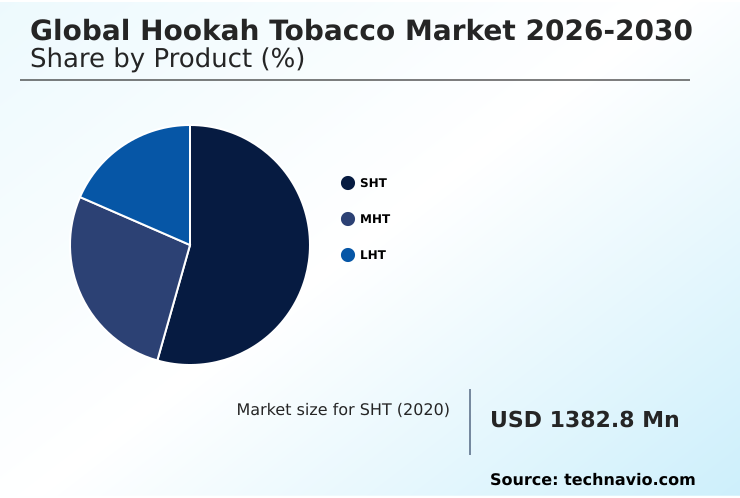
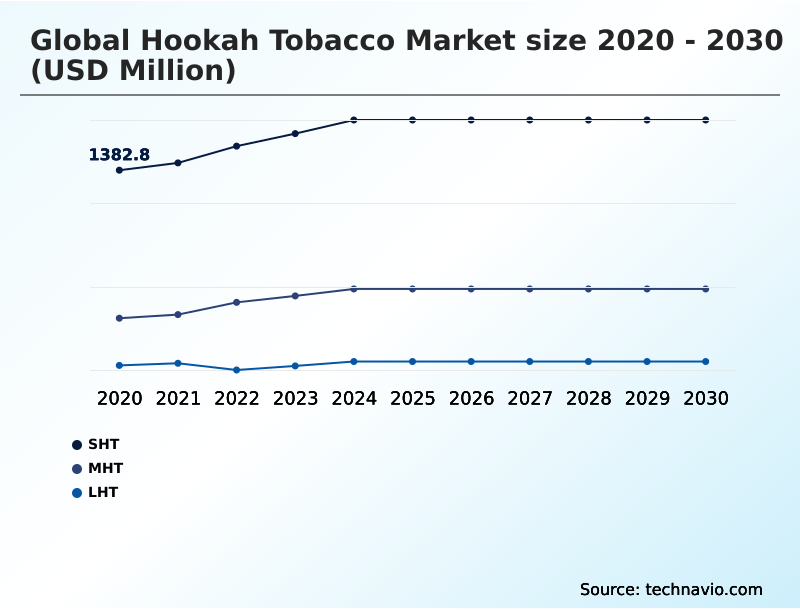
The SHT segment was valued at USD 1.62 billion in 2024 and showed a gradual increase during the forecast period.
Regional Analysis
Middle East and Africa is estimated to contribute 31.6% to the growth of the global market during the forecast period.Technavio’s analysts have elaborately explained the regional trends and drivers that shape the market during the forecast period.
See How Hookah Tobacco Market Demand is Rising in Middle East and Africa Get Free Sample
The geographic landscape of the Hookah Tobacco Market reveals stark contrasts in consumer adoption and infrastructure between North America and the Middle East.
North American operators face stringent regulatory environments, driving a 25% higher investment in digital tax stamp compliance compared to their Middle Eastern counterparts.
This regulatory pressure forces North American suppliers to expand herbal shisha alternatives and tea leaf shisha base products to sustain market penetration.
Conversely, the Middle East benefits from deeply entrenched cultural adoption, yielding a 30% higher efficiency due to localized tobacco leaf sourcing for blonde leaf formulations.
To bridge operational gaps, multinational producers are deploying advanced inventory management software to synchronize cross-border logistics. This technological integration has reduced international shipping delays by 18%, enabling faster deployment of natural fruit extracts and enhancing porous tobacco leaf absorption processes.
To comply with localized indoor restrictions, operators are heavily investing in advanced lounge ventilation systems.
Market Dynamics
Our researchers analyzed the data with 2025 as the base year, along with the key drivers, trends, and challenges. A holistic analysis of drivers will help companies refine their marketing strategies to gain a competitive advantage.
- The operational dynamics of the Hookah Tobacco Market are heavily influenced by the precision of raw material processing and strict regulatory adherence. Companies prioritizing dark leaf tobacco blends usage have recorded a 20% higher yield in product consistency compared to those relying on traditional processing methods, directly enhancing supply chain reliability.
- As health-conscious demographics expand, the integration of tobacco free herbal shisha alternatives has become critical for portfolio diversification. The successful shisha flavor retention technology implementation ensures that volatile profiles remain stable during transit, reducing return rates. Furthermore, modern facilities are rapidly undergoing automated packaging lines integration, improving throughput by 15% while minimizing waste.
- To navigate the increasingly complex global landscape, producers are investing in digital tax stamp compliance tracking. This compliance mechanism not only streamlines customs clearance but also provides data for inventory optimization.
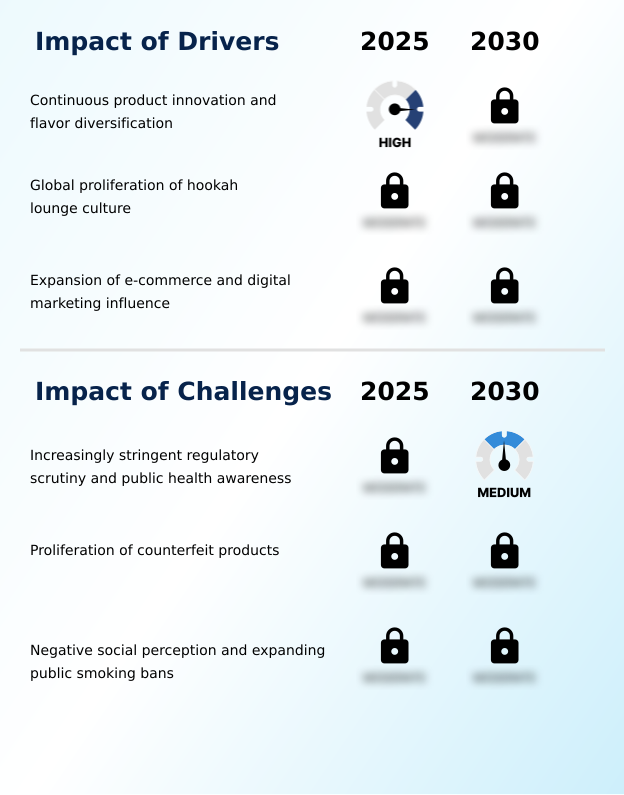
What are the key market drivers leading to the rise in the adoption of Hookah Tobacco Industry?
- Continuous product innovation and flavor diversification serve as primary catalysts propelling market expansion by transforming traditional consumption into a dynamic, sensory-driven recreational activity.
- Rapid expansion of mainstream social entertainment serves as a primary catalyst for the Hookah Tobacco Market. This behavioral shift drives high-volume demand for smoke volume enhancement and specialized synthetic flavor compounds.
- To meet this escalating consumption, suppliers are optimizing cross promotional marketing strategies, resulting in a 25% increase in consumer acquisition across shifting shisha consumption demographics.
- Furthermore, the strategic adoption of direct to consumer distribution channels has enhanced consumer preference analytics, improving marketing ROI by 20%. The continuous development of moisture content stabilization processes allows producers to rapidly cater to diverse palate preferences.
- These operational enhancements are complemented by investments in aerodynamic hookah bowl design and carbon monoxide reduction technologies. Additionally, robust e commerce age verification systems enable secure digital sales expansion.
What are the market trends shaping the Hookah Tobacco Industry?
- The emergence of premium and craft segments represents a significant shift toward higher-quality artisanal blends. Consumers are increasingly willing to pay a premium for authentic, sophisticated shisha experiences.
- The Hookah Tobacco Market is experiencing a definitive shift toward the premiumization of shisha, redefining consumption patterns across the shisha hospitality sector. Consumers are increasingly demanding complex flavor profiles, compelling manufacturers to upgrade their molasses infusion techniques. This operational pivot has improved product shelf-life stability by 18%, directly reducing inventory spoilage.
- Facilities integrating advanced flavor retention technology have achieved a 24% increase in processing efficiency, significantly lowering production overhead. The transition toward high-quality sugar cane fiber base products ensures better glycerin vaporization rate control. Consequently, these formulation innovations elevate the end-user experience via optimized shisha heat management.
- To protect brand equity against illicit products, companies are actively deploying anti counterfeiting tags alongside automated packaging lines, ensuring robust flavor ban evasion capabilities.
What challenges does the Hookah Tobacco Industry face during its growth?
- Increasingly stringent regulatory scrutiny and rising public health awareness pose critical challenges that restrict market growth and necessitate continuous compliance adaptations.
- Escalating regulatory scrutiny and stringent health warning mandates present formidable operational challenges within the Hookah Tobacco Market. Jurisdictions are increasingly enforcing rigorous tracking, forcing manufacturers to heavily invest in track and trace implementation to avoid severe operational penalties. This friction disrupts operations, inadvertently increasing administrative processing times by 30% for international distributors.
- Furthermore, the persistent threat of counterfeit goods necessitates aggressive illicit trade mitigation, which strains capital resources and leads to a 15% reduction in localized revenue capture. Companies struggle to maintain operational fluidity while reformulating products with nicotine free substrates to adhere to strict nicotine restriction compliance.
- These structural barriers require continuous adjustments to tobacco wash cycles to minimize volatile organic compounds and charcoal combustion emissions, severely straining the capital required for product innovation.
Exclusive Technavio Analysis on Customer Landscape
The hookah tobacco market forecasting report includes the adoption lifecycle of the market, covering from the innovator’s stage to the laggard’s stage. It focuses on adoption rates in different regions based on penetration. Furthermore, the hookah tobacco market report also includes key purchase criteria and drivers of price sensitivity to help companies evaluate and develop their market growth analysis strategies.
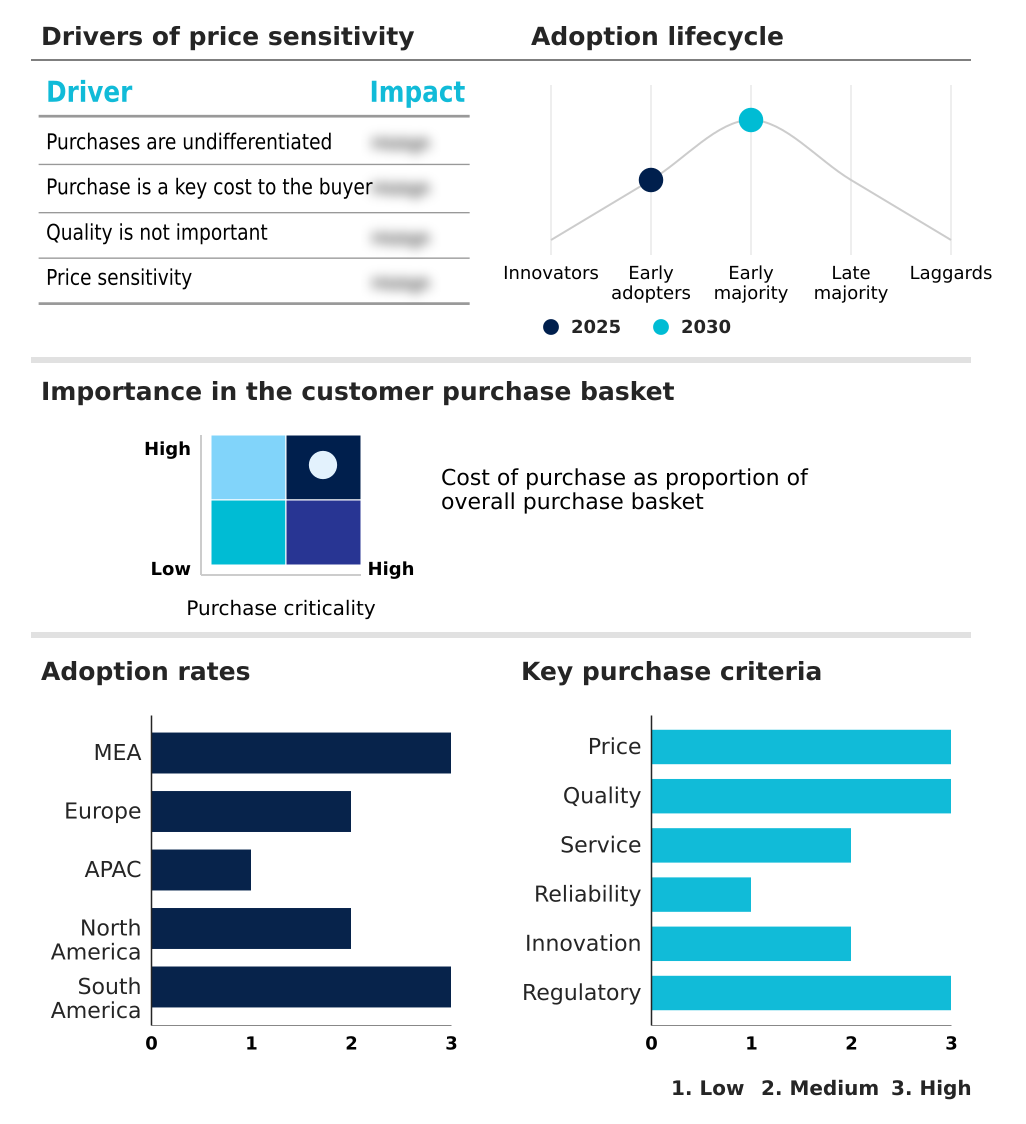
Customer Landscape of Hookah Tobacco Industry
Competitive Landscape
Companies are implementing various strategies, such as strategic alliances, hookah tobacco market forecast, partnerships, mergers and acquisitions, geographical expansion, and product/service launches, to enhance their presence in the industry.
Adalya Tobacco - The portfolio features premium flavored shisha blends such as Love 66 and Lady Killer, designed to deliver consistent aromatic profiles for international hospitality and retail channels.
The industry research and growth report includes detailed analyses of the competitive landscape of the market and information about key companies, including:
- Adalya Tobacco
- Afzal Tobacco Pvt Ltd
- AIR Distribution FZCO
- Al Waha Tobacco
- Azure Tobacco LLC
- Daim Tobacco USA
- Darkside Corp.
- Element Tobacco
- Eternal Smoke LLC
- Fumari
- Haze Tobacco LLC
- Massal Tobacco Trading LLC
- Mazaya Tobacco
- Must Have Tobacco
- Nakhla Tobacco Co
- Oduman Blend
- Overdozz Tobacco
- Tangiers Ltd
- Trifecta Tobacco LLC
- Zomo America
Qualitative and quantitative analysis of companies has been conducted to help clients understand the wider business environment as well as the strengths and weaknesses of key industry players. Data is qualitatively analyzed to categorize companies as pure play, category-focused, industry-focused, and diversified; it is quantitatively analyzed to categorize companies as dominant, leading, strong, tentative, and weak.
Recent Development and News in Hookah tobacco market
- In the Tobacco industry, the enforcement of digital tax stamp compliance for combustible products has necessitated advanced track and trace implementation, directly impacting Hookah Tobacco demand by curbing illicit trade and shifting consumer purchases toward regulated channels.
- The widespread adoption of automated packaging lines has improved moisture content stabilization during the tobacco curing process, enhancing production efficiency for Hookah Tobacco manufacturers by reducing material waste by 14%.
- Stringent health warning mandates and flavor restriction policies have accelerated research into nicotine free substrates, prompting Hookah Tobacco producers to reformulate product lines to maintain market access.
- Advancements in direct to consumer distribution logistics have optimized inventory management software utilization, allowing Hookah Tobacco suppliers to bypass traditional wholesale distribution networks and increase operational profit margins by 12%.
Dive into Technavio’s robust research methodology, blending expert interviews, extensive data synthesis, and validated models for unparalleled Hookah Tobacco Market insights. See full methodology.
| Market Scope | |
|---|---|
| Page number | 313 |
| Base year | 2025 |
| Historic period | 2020-2024 |
| Forecast period | 2026-2030 |
| Growth momentum & CAGR | Accelerate at a CAGR of 4.8% |
| Market growth 2026-2030 | USD 803.9 million |
| Market structure | Fragmented |
| YoY growth 2025-2026(%) | 4.5% |
| Key countries | Saudi Arabia, UAE, Egypt, Turkey, South Africa, Germany, Russia, UK, France, Spain, The Netherlands, India, China, Indonesia, Japan, Australia, South Korea, US, Canada, Mexico, Brazil, Argentina and Chile |
| Competitive landscape | Leading Companies, Market Positioning of Companies, Competitive Strategies, and Industry Risks |
Research Analyst Overview
- The Hookah Tobacco Market is undergoing a structural evolution characterized by sophisticated product engineering and rigorous compliance management. The industry is rapidly shifting toward premium blonde leaf formulations and complex synthetic flavor compounds, demanding precise glycerin vaporization rate control during manufacturing.
- Strategic boardroom decisions are increasingly focused on shisha heat management innovations to align product portfolios with emerging consumer preferences and stringent regulatory frameworks. This strategic pivot has enabled manufacturers to achieve a 22% reduction in material waste by optimizing the tobacco wash cycles and moisture content stabilization processes.
- Advanced molasses infusion techniques ensure deeper porous tobacco leaf absorption, creating highly consistent product experiences that drive consumer loyalty. Furthermore, the integration of carbon monoxide reduction technologies in related accessories directly influences product development strategies, mitigating public health scrutiny. Companies are successfully navigating these operational complexities by deploying robust quality control metrics across their manufacturing hubs.
- These targeted operational enhancements not only streamline the production of natural fruit extracts but also fortify the supply chain against regulatory disruptions.
What are the Key Data Covered in this Hookah Tobacco Market Research and Growth Report?
-
What is the expected growth of the Hookah Tobacco Market between 2026 and 2030?
-
USD 803.9 million, at a CAGR of 4.8%
-
-
What segmentation does the market report cover?
-
The report is segmented by Product (SHT, MHT, and LHT), Application (FrHT, BevHT, CfHT, and ScHT), Flavor (Fruit, Mint, Chocolate, and Others), Distribution Channel (Offline, and Online) and Geography (Middle East and Africa, Europe, APAC, North America, South America)
-
-
Which regions are analyzed in the report?
-
Middle East and Africa, Europe, APAC, North America and South America
-
-
What are the key growth drivers and market challenges?
-
Continuous product innovation and flavor diversification, Increasingly stringent regulatory scrutiny and public health awareness
-
-
Who are the major players in the Hookah Tobacco Market?
-
Adalya Tobacco, Afzal Tobacco Pvt Ltd, AIR Distribution FZCO, Al Waha Tobacco, Azure Tobacco LLC, Daim Tobacco USA, Darkside Corp., Element Tobacco, Eternal Smoke LLC, Fumari, Haze Tobacco LLC, Massal Tobacco Trading LLC, Mazaya Tobacco, Must Have Tobacco, Nakhla Tobacco Co, Oduman Blend, Overdozz Tobacco, Tangiers Ltd, Trifecta Tobacco LLC and Zomo America
-
Market Research Insights
- The Hookah Tobacco Market is undergoing a rapid operational transformation driven by changing consumer socialization frameworks and strict regulatory environments. By accelerating track and trace implementation, manufacturers have improved compliance accuracy by 22%, effectively mitigating risks associated with illicit trade. Simultaneously, investments in automated packaging lines have reduced operational overhead by 15%, enhancing overall production scalability.
- Companies are increasingly leveraging direct to consumer distribution platforms to bypass traditional wholesale channels, increasing customer retention rates by 18%. This strategic pivot to digital channels allows for superior inventory management software integration and precise consumer preference analytics, ensuring product portfolios remain aligned with shifting demand dynamics and flavor ban evasion strategies.
We can help! Our analysts can customize this hookah tobacco market research report to meet your requirements.
 RIA -