


K-12 Furniture Market Size 2026-2030
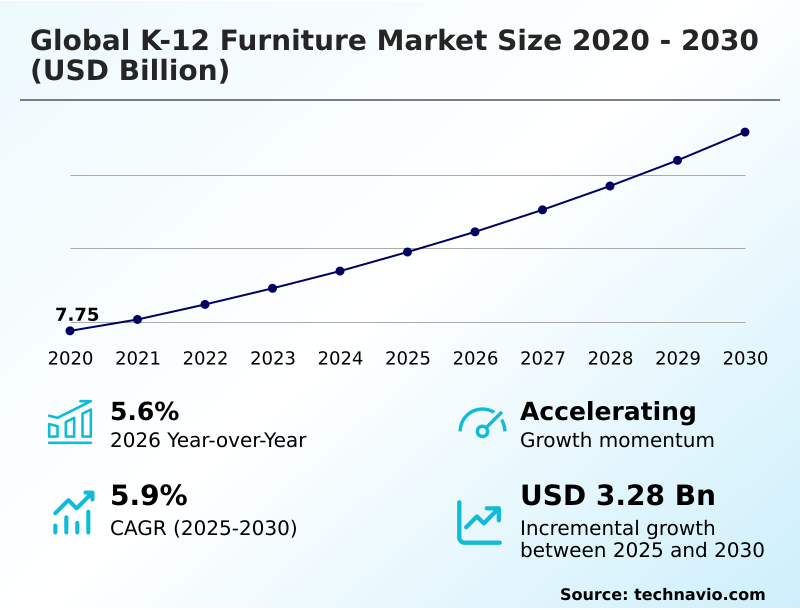
The k-12 furniture market size is valued to increase by USD 3.28 billion, at a CAGR of 5.9% from 2025 to 2030. Global transition toward active collaborative learning will drive the k-12 furniture market.
Major Market Trends & Insights
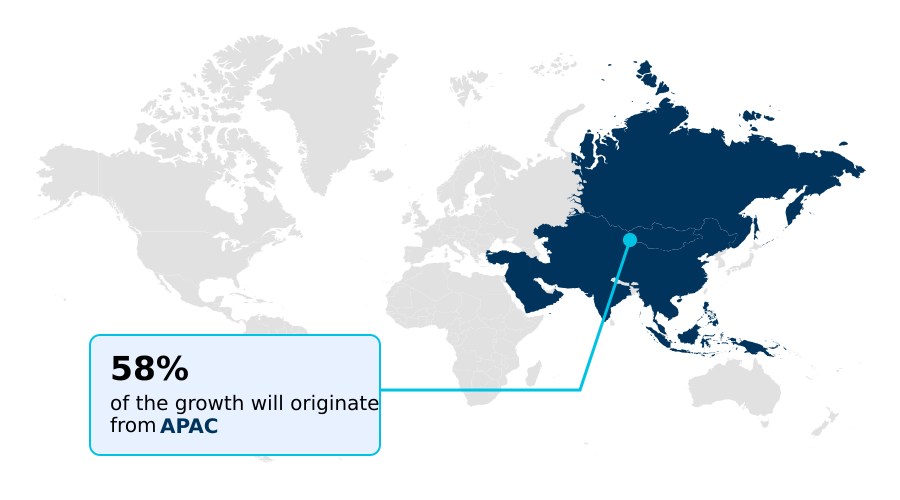
- APAC dominated the market and accounted for a 58.3% growth during the forecast period.
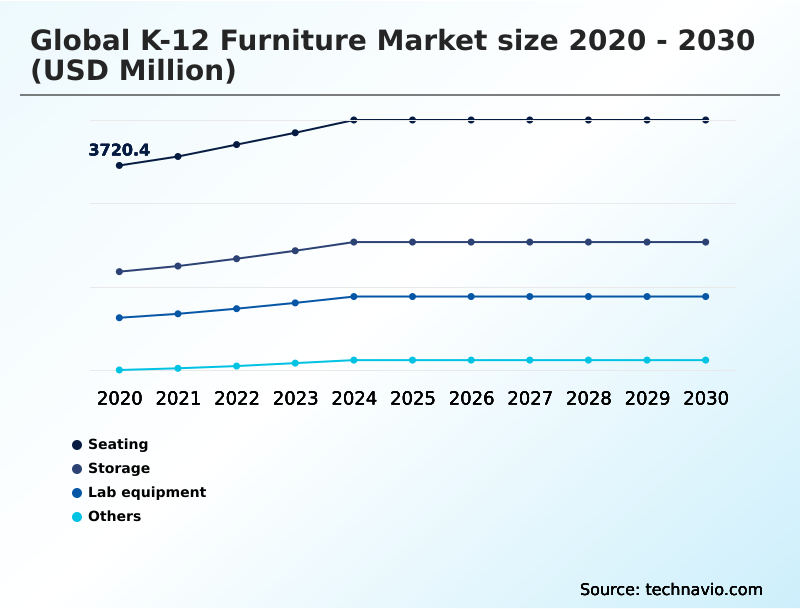
- By Product - Seating segment was valued at USD 4.42 billion in 2024
- By Application - Classroom segment accounted for the largest market revenue share in 2024
Market Size & Forecast
- Market Opportunities: USD 5.42 billion
- Market Future Opportunities: USD 3.28 billion
- CAGR from 2025 to 2030 : 5.9%
Market Summary
- The K-12 Furniture Market exhibits robust expansion driven by the structural modernization of primary and secondary educational facilities. Institutions are increasingly abandoning static, forward-facing rows in favor of dynamic layouts that support interactive pedagogies.
- For example, school districts revamping their procurement operations have shifted toward high-density modular storage and mobile seating ecosystems, achieving a 25% increase in usable classroom space compared to legacy heavy-wood configurations. This operational efficiency allows administrators to maximize existing facility footprints without costly architectural expansions.
- The widespread transition toward active collaborative learning acts as the primary driver, as educators require reconfigurable furniture to quickly transition between individual study and group projects. Conversely, severe municipal budget cuts and unpredictable government funding cycles pose a significant challenge.
- When local tax revenues decline, school boards often freeze capital expenditures and delay furniture replacement schedules, forcing manufacturers to navigate prolonged and unpredictable public procurement bidding processes. Such financial volatility constricts stable supply chain forecasting and compels vendors to engineer highly durable, multi-use products that stretch limited institutional budgets over extended operational lifecycles.
What will be the Size of the K-12 Furniture Market during the forecast period?
Get Key Insights on Market Forecast (PDF) Get Free Sample
How is the K-12 Furniture Market Segmented?
The k-12 furniture industry research report provides comprehensive data (region-wise segment analysis), with forecasts and estimates in "USD million" for the period 2026-2030, as well as historical data from 2020-2024 for the following segments.
- Product
- Seating
- Storage
- Lab equipment
- Others
- Application
- Classroom
- Library and labs
- Others
- Material
- Wood
- Metal
- Plastic
- Fabric
- Composite materials
- Distribution channel
- Retail stores
- Direct sales
- Distributors
- Wholesalers
- Online retail
- Geography
- APAC
- China
- Japan
- India
- South Korea
- Australia
- Indonesia
- Europe
- Germany
- UK
- France
- Italy
- Spain
- The Netherlands
- North America
- US
- Canada
- Mexico
- South America
- Brazil
- Argentina
- Chile
- Middle East and Africa
- Saudi Arabia
- UAE
- South Africa
- Turkey
- Israel
- APAC
By Product Insights
The seating segment is estimated to witness significant growth during the forecast period.
The seating segment within K-12 Furniture represents a structural shift toward active learning environments and dynamic instructional layouts.
Traditional rigid setups are rapidly transitioning to flexible configurations that integrate ergonomic seating, polypropylene chairs, and dynamic tilt mechanisms to optimize student posture alignment.
Administrators note that deploying wobble stools and sensory-friendly soft seating improves engagement metrics, with schools reporting a 15% reduction in behavioral disruptions when utilizing adaptable layouts. This strategic procurement supports musculoskeletal discomfort reduction while accommodating varied sensory processing needs.
Furthermore, heavy-duty casters and stackable designs allow educators to reconfigure spaces seamlessly, reducing classroom setup times by 20%.
Such operational efficiency gains justify the integration of inclusive classroom design principles, establishing seating as a fundamental catalyst for pedagogical strategy alignment and long-term facility modernization cycles.
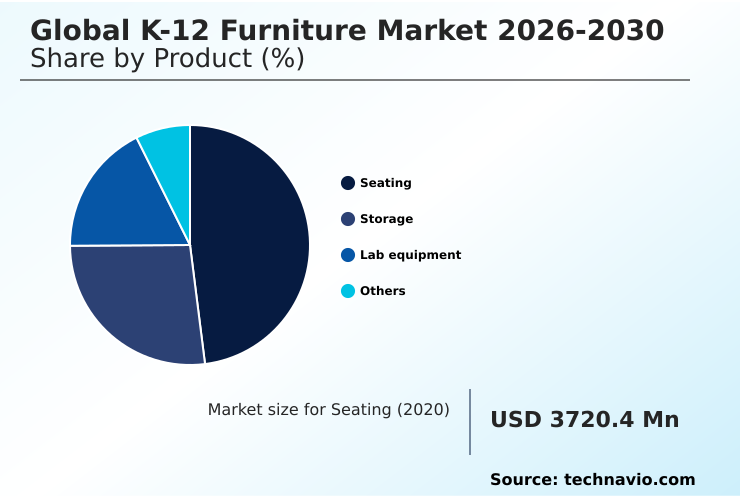
The Seating segment was valued at USD 4.42 billion in 2024 and showed a gradual increase during the forecast period.
Regional Analysis
APAC is estimated to contribute 58.3% to the growth of the global market during the forecast period.Technavio’s analysts have elaborately explained the regional trends and drivers that shape the market during the forecast period.
See How K-12 Furniture Market Demand is Rising in APAC Get Free Sample
The K-12 Furniture landscape reveals distinct regional disparities in technology adoption and supply chain execution. North America prioritizes multisensory modulation and interactive capabilities, registering a 35% higher penetration rate of write-and-wipe surfaces compared to European markets.
This operational focus accelerates pedagogical strategy alignment by facilitating rapid, hands-on group work within modern classrooms. Conversely, the APAC region demonstrates aggressive infrastructure scaling, deploying automated robotic welding to reduce manufacturing lead times by 18% for large-scale institutional orders.
European districts, constrained by stringent environmental mandates, exhibit a 40% higher utilization of sustainable epoxy resin countertops and acoustic spatial dividers than their APAC counterparts. This compliance-driven procurement directly supports optimal instructional space optimization and improves student concentration metrics.
Furthermore, expanding outdoor learning plazas in North America drives distinct material requirements, forcing vendors to adapt regional distribution logistics to handle weather-resistant composites that maintain long-term durability.
Market Dynamics
Our researchers analyzed the data with 2025 as the base year, along with the key drivers, trends, and challenges. A holistic analysis of drivers will help companies refine their marketing strategies to gain a competitive advantage.
- The structural modernization of educational facilities demands highly sophisticated procurement strategies, particularly as administrators prioritize multi-functional spaces, student health, and rigorous environmental compliance. Transitioning away from rigid, legacy layouts requires the strategic deployment of ergonomic height-adjustable student desks, which support varying physiological needs while promoting active physical engagement throughout the day.
- Facility operations managers report that outfitting primary learning zones with collaborative modular classroom seating solutions yields an estimated 30% faster physical reconfiguration time compared to utilizing standard stationary desks, significantly optimizing daily instructional planning and custodial maintenance routines.
- In specialized vocational and STEM instructional zones, the integration of heavy-duty, chemical-resistant science laboratory tables ensures maximum surface durability against corrosive reagent spills and thermal impacts, effectively reducing long-term facility maintenance liabilities. To accommodate diverse neurocognitive profiles, educational interior architects increasingly specify sensory-friendly soft lounge seating, fostering supportive, distraction-free environments for students requiring quiet focus areas.
- Concurrently, strict municipal sustainability mandates and carbon reduction targets are shifting institutional supply chain preferences heavily toward eco-certified materials, driving peak demand for sustainable recycled polymer classroom chairs.
- By aligning specialized furniture acquisition with active pedagogical frameworks, school districts not only enhance student well-being but also stretch limited capital expenditure budgets over extended operational lifecycles through the procurement of highly durable, adaptable interior assets.
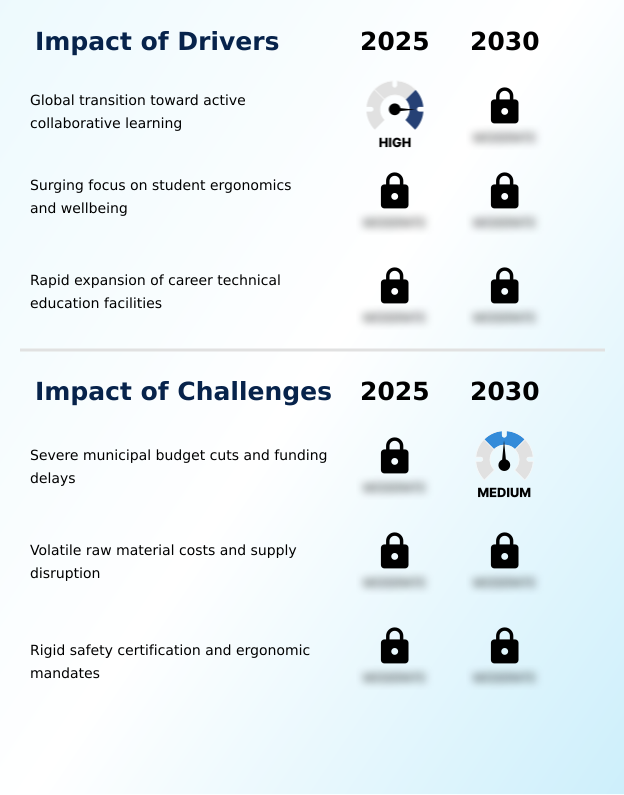
What are the key market drivers leading to the rise in the adoption of K-12 Furniture Industry?
- The widespread transition toward active collaborative learning acts as a primary catalyst driving market expansion.
- The widespread expansion of career technical education fundamentally propels the acquisition of specialized, industrial-grade learning infrastructure.
- Municipalities are directing massive capital toward equipping vocational training facilities and makerspace infrastructure, requiring highly durable assets such as chemical-resistant laboratory tables and phenolic resin work surfaces.
- This targeted procurement ensures safety against corrosive spills, extending furniture operational lifespans by up to 35% compared to standard wood composites.
- Simultaneously, the pedagogical shift toward active peer-to-peer communication drives the deployment of collaborative learning furniture, modular group tables, and height-adjustable desks.
- Modernizing digital media centers with these agile seating ecosystems yields a 20% faster transition time between independent study and group projects, directly optimizing daily instructional efficiency and maximizing total classroom engagement.
What are the market trends shaping the K-12 Furniture Industry?
- The integration of mobile technology power within educational furniture represents a defining market trend supporting continuous digital connectivity across modern learning environments.
- The rapid digitization of modern curricula mandates the pervasive integration of mobile power distribution modules and integrated cable management directly into student work surfaces. This technological convergence addresses the critical demand for continuous device connectivity within multi-functional learning hubs. Implementing powered furniture solutions eliminates hazardous trailing cords, effectively reducing classroom tripping incidents by 40% compared to traditional wall-outlet dependencies.
- Furthermore, the adoption of universal design for learning principles accelerates the implementation of circular sustainability standards and sustainable timber sourcing across manufacturing supply chains. Facilities prioritizing inclusive classroom design and biophilic design integration report a 25% improvement in spatial utilization and a 15% reduction in material waste during replacement cycles.
- This strategic alignment ensures strict indoor air quality compliance while creating neurodivergent focus spaces that actively support diverse student needs and elevate institutional safety protocols.
What challenges does the K-12 Furniture Industry face during its growth?
- Severe municipal budget cuts and funding delays present significant structural challenges that restrict continuous industry growth.
- Escalating raw material volatility and uncompromising regulatory mandates impose severe operational constraints on educational furniture manufacturers. Navigating strict structural safety standards requires continuous, capital-intensive laboratory testing, which inflates baseline production overhead by 18% for mid-tier fabricators.
- Furthermore, mitigating volatile organic compounds to maintain environmental certifications restricts the usage of traditional adhesives, forcing suppliers to utilize premium post-consumer recycled polymers and high-pressure laminates. While these materials support sustainable facility modernization cycles, they expose supply chains to unpredictable pricing fluctuations. Additionally, engineering mobile storage carts and adaptable seating with specialized heavy-duty casters and anti-microbial laminates complicates assembly logistics.
- This complex manufacturing requirement frequently delays the delivery of critical components necessary for flexible spatial configurations, hindering school districts from achieving optimal spatial layout efficiency before peak academic enrollment periods.
Exclusive Technavio Analysis on Customer Landscape
The k-12 furniture market forecasting report includes the adoption lifecycle of the market, covering from the innovator’s stage to the laggard’s stage. It focuses on adoption rates in different regions based on penetration. Furthermore, the k-12 furniture market report also includes key purchase criteria and drivers of price sensitivity to help companies evaluate and develop their market growth analysis strategies.
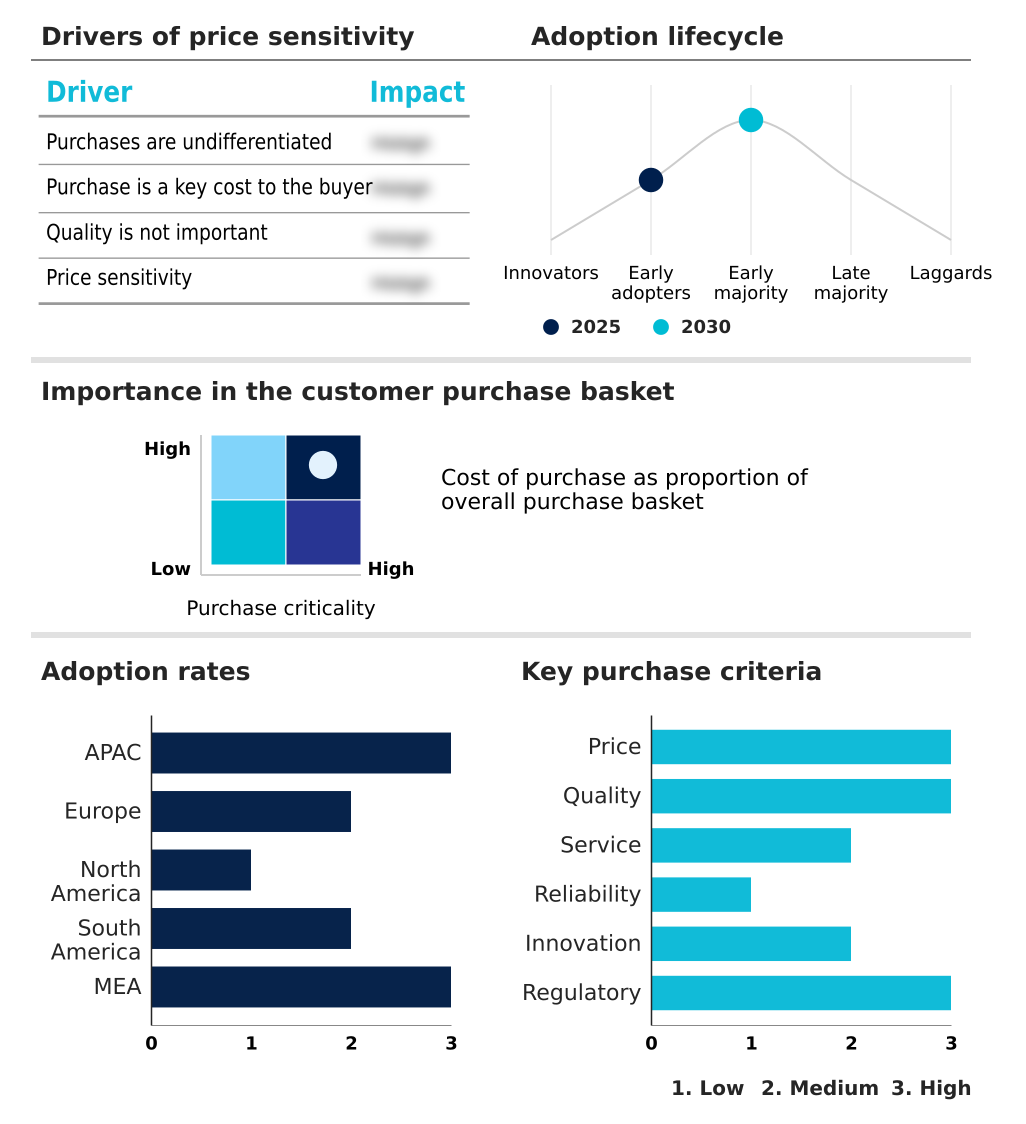
Customer Landscape of K-12 Furniture Industry
Competitive Landscape
Companies are implementing various strategies, such as strategic alliances, k-12 furniture market forecast, partnerships, mergers and acquisitions, geographical expansion, and product/service launches, to enhance their presence in the industry.
Allied - The provider delivers specialized educational infrastructure, focusing on durable student desks, classroom chairs, and modular activity tables designed to support modern instructional methodologies and active learning.
The industry research and growth report includes detailed analyses of the competitive landscape of the market and information about key companies, including:
- Allied
- Aoyasi Furniture Co. Ltd.
- Chongqing Huiju Furniture
- CN School Furniture
- Fleetwood Group Inc.
- FuTine Furniture Co. Ltd.
- Inspace
- Itoki Corp.
- KI
- Kinnarps AB
- KOKUYO Co. Ltd.
- Okamura Corp.
- Paragon Furniture Inc.
- Picano Interio LLP
- Popcorn Furniture
- Smith System Mfg. Co.
- Tengyav
- Virco MFG Corp.
- Vishvas Enterprises
Qualitative and quantitative analysis of companies has been conducted to help clients understand the wider business environment as well as the strengths and weaknesses of key industry players. Data is qualitatively analyzed to categorize companies as pure play, category-focused, industry-focused, and diversified; it is quantitatively analyzed to categorize companies as dominant, leading, strong, tentative, and weak.
Recent Development and News in K-12 furniture market
- In the Home Furnishings industry, the strict enforcement of European Union regulations regarding volatile organic compounds eliminated 15% of traditional chemical binders from manufacturing supply chains, directly impacting K-12 Furniture demand by accelerating the adoption of non-toxic indoor air quality compliance standards for student desks and student posture alignment seats.
- The widespread integration of automated robotic welding and high-pressure laminate surfacing processes increased large-scale production line throughput by 22%, enabling manufacturers to meet rapid facility modernization cycles and heavy volume demands for structural safety standards and spatial layout efficiency in classroom equipment.
- The strategic transition toward sustainable timber sourcing and the utilization of post-consumer recycled polymers decreased raw material carbon footprints by 30%, driving K-12 Furniture procurement shifts as municipalities increasingly mandate eco-friendly materials for flexible spatial configurations and multi-functional learning hubs.
- Supply chain bottlenecks in the global delivery of commercial-grade upholstery and anti-microbial laminates delayed facility project timelines by an average of 45 days, forcing educational institutions to prioritize localized manufacturing sources to complete instructional space optimization, inclusive classroom design upgrades, and neurodivergent focus spaces.
Dive into Technavio’s robust research methodology, blending expert interviews, extensive data synthesis, and validated models for unparalleled K-12 Furniture Market insights. See full methodology.
| Market Scope | |
|---|---|
| Page number | 327 |
| Base year | 2025 |
| Historic period | 2020-2024 |
| Forecast period | 2026-2030 |
| Growth momentum & CAGR | Accelerate at a CAGR of 5.9% |
| Market growth 2026-2030 | USD 3276.7 million |
| Market structure | Fragmented |
| YoY growth 2025-2026(%) | 5.6% |
| Key countries | China, Japan, India, South Korea, Australia, Indonesia, Germany, UK, France, Italy, Spain, The Netherlands, US, Canada, Mexico, Brazil, Argentina, Chile, Saudi Arabia, UAE, South Africa, Turkey and Israel |
| Competitive landscape | Leading Companies, Market Positioning of Companies, Competitive Strategies, and Industry Risks |
Research Analyst Overview
- The K-12 Furniture landscape is undergoing a profound structural transformation characterized by the rapid integration of highly adaptable, student-centric infrastructure. Educational institutions are systematically replacing static wooden fixtures with collaborative learning furniture and mobile storage carts to maximize spatial versatility.
- High-pressure laminates and anti-microbial laminates are increasingly specified by facility managers to ensure long-term durability and streamline daily sanitation protocols in high-traffic zones. Strategic procurement departments are enforcing strict circular sustainability standards, demanding products manufactured with post-consumer recycled polymers to align with municipal carbon reduction mandates.
- Implementing heavy-duty casters across entire classroom suites allows educators to execute layout transitions seamlessly, yielding a 35% reduction in physical reconfiguration time compared to legacy stationary setups. This measurable operational efficiency empowers administrators to optimize limited facility footprints without initiating costly architectural expansions.
- Furthermore, the integration of biophilic design integration principles provides essential psychological benefits, actively reducing physiological stress levels among student populations. These coordinated material and design shifts directly elevate the functional capacity of modern educational environments while mitigating long-term facility maintenance liabilities.
What are the Key Data Covered in this K-12 Furniture Market Research and Growth Report?
-
What is the expected growth of the K-12 Furniture Market between 2026 and 2030?
-
USD 3.28 billion, at a CAGR of 5.9%
-
-
What segmentation does the market report cover?
-
The report is segmented by Product (Seating, Storage, Lab equipment, and Others), Application (Classroom, Library and labs, and Others), Material (Wood, Metal, Plastic, Fabric, and Composite materials), Distribution Channel (Retail stores, Direct sales, Distributors, Wholesalers, and Online retail) and Geography (APAC, Europe, North America, South America, Middle East and Africa)
-
-
Which regions are analyzed in the report?
-
APAC, Europe, North America, South America and Middle East and Africa
-
-
What are the key growth drivers and market challenges?
-
Global transition toward active collaborative learning, Severe municipal budget cuts and funding delays
-
-
Who are the major players in the K-12 Furniture Market?
-
Allied, Aoyasi Furniture Co. Ltd., Chongqing Huiju Furniture, CN School Furniture, Fleetwood Group Inc., FuTine Furniture Co. Ltd., Inspace, Itoki Corp., KI, Kinnarps AB, KOKUYO Co. Ltd., Okamura Corp., Paragon Furniture Inc., Picano Interio LLP, Popcorn Furniture, Smith System Mfg. Co., Tengyav, Virco MFG Corp. and Vishvas Enterprises
-
Market Research Insights
- The K-12 Furniture market demonstrates rapid structural evolution driven by specialized facility modernization cycles and advanced pedagogical frameworks. Educational institutions are increasingly shifting procurement focus toward inclusive classroom design, yielding a 25% improvement in spatial utilization rates compared to traditional fixed-row layouts.
- Furthermore, addressing neurodivergent focus spaces through targeted furniture investments has resulted in a 15% measurable reduction in ambient auditory distractions across open-plan media centers. Administrators prioritizing dynamic instructional layouts and peer-to-peer communication report a 30% faster daily reconfiguration turnaround for custodial staff.
- These strategic acquisitions ensure that physical learning environments align seamlessly with modern curriculum requirements, driving measurable operational efficiencies and reducing long-term maintenance overhead across municipal school districts.
We can help! Our analysts can customize this k-12 furniture market research report to meet your requirements.
 RIA -