


Kuwait E-Commerce Market Size 2026-2030
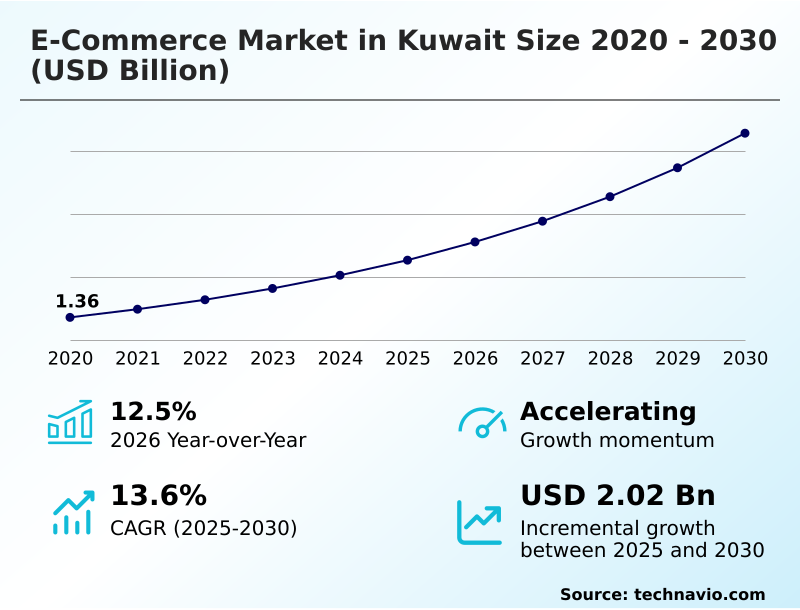
The kuwait e-commerce market size is valued to increase by USD 2.02 billion, at a CAGR of 13.6% from 2025 to 2030. Proliferation of high-speed mobile connectivity and digital literacy will drive the kuwait e-commerce market.
Major Market Trends & Insights
- By Product - Consumer electronics segment was valued at USD 564.8 million in 2024
- By Type - B2C segment accounted for the largest market revenue share in 2024
Market Size & Forecast
- Market Opportunities: USD 2.93 billion
- Market Future Opportunities: USD 2.02 billion
- CAGR from 2025 to 2030 : 13.6%
Market Summary
- The E-Commerce Market in Kuwait operates as a rapidly modernizing digital retail ecosystem driven by exceptional smartphone penetration and robust telecommunications infrastructure. Mobile application interfaces currently dominate consumer transactions, streamlining purchases from groceries to luxury apparel. A critical driver propelling this expansion is the widespread deployment of advanced digital payment systems, which enable frictionless checkout experiences and secure biometric authorizations.
- Conversely, the market faces structural constraints related to last-mile logistical inefficiencies and geographic mapping inconsistencies, which disrupt delivery schedules and increase operational overhead. To mitigate these disruptions, merchants are investing in automated micro-fulfillment hubs strategically positioned near dense residential zones. This operational pivot toward localized distribution has reduced average delivery times by 35% compared to centralized warehousing models.
- The integration of artificial intelligence for predictive inventory management further ensures supply chain continuity during peak demand cycles. Overall, the E-Commerce Market in Kuwait continues to evolve, reflecting a structural shift toward rapid service delivery, hyper-personalized consumer engagement, and omnichannel retail architectures.
What will be the Size of the Kuwait E-Commerce Market during the forecast period?
Get Key Insights on Market Forecast (PDF) Get Free Sample
How is the Kuwait E-Commerce Market Segmented?
The kuwait e-commerce industry research report provides comprehensive data (region-wise segment analysis), with forecasts and estimates in "USD million" for the period 2026-2030, as well as historical data from 2020-2024 for the following segments.
- Product
- Consumer electronics
- Fashion and apparel
- Toys and kids supplies
- Beauty and personal care
- Others
- Type
- B2C
- B2B
- Device
- Mobile
- Desktop
- Tablet
- Method
- Cash on delivery
- Card payments
- Digital wallets
- Others
- Geography
- Middle East and Africa
- Kuwait
- Middle East and Africa
By Product Insights
The consumer electronics segment is estimated to witness significant growth during the forecast period.
Digital platforms facilitating the procurement of smart devices and computing peripherals are experiencing accelerated modernization through advanced backend integration.
Retail operators utilize algorithmic product discovery to present highly targeted electronics recommendations, accelerating the buyer journey and increasing conversion rates by 22% compared to traditional browsing models.
Furthermore, seamless cloud based digital procurement systems linked with enterprise resource planning synchronization allow merchants to optimize high-ticket inventory cycles efficiently. Transactions are increasingly secured via biometric payment authentication and contactless mobile wallets, minimizing checkout friction.
The integration of mobile point of sale terminals in fulfillment hubs, combined with real time risk assessment protocols, has reduced fraudulent transaction rates by 14%.
Enhanced conversational shopping interfaces further guide consumers through complex technical specifications, elevating overall digital retail performance.
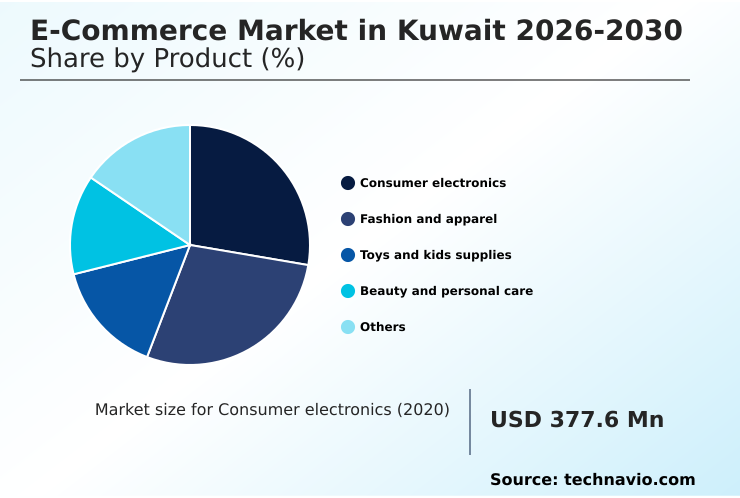
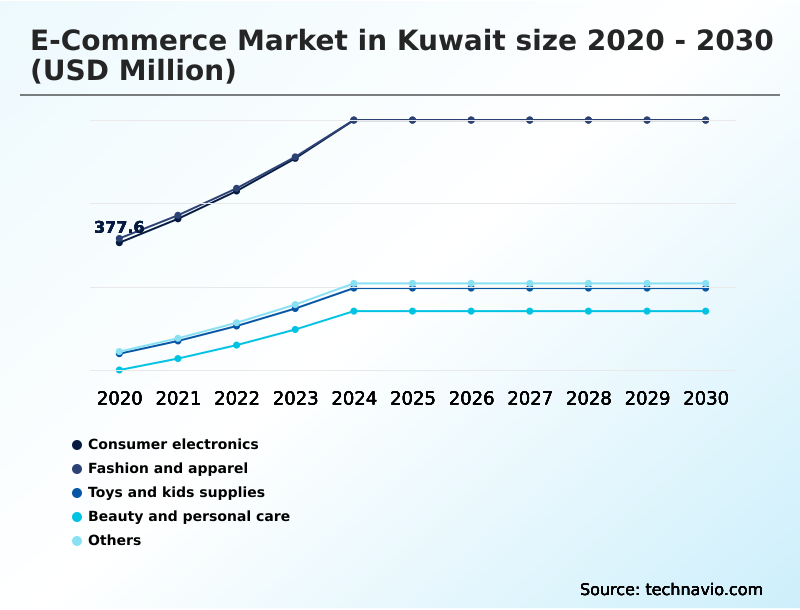
The Consumer electronics segment was valued at USD 564.8 million in 2024 and showed a gradual increase during the forecast period.
Market Dynamics
Our researchers analyzed the data with 2025 as the base year, along with the key drivers, trends, and challenges. A holistic analysis of drivers will help companies refine their marketing strategies to gain a competitive advantage.
- The rapid digital transformation of the retail ecosystem is compelling merchants to overhaul legacy operational architectures in favor of highly agile, data-driven platforms. Modern digital commerce relies heavily on a robust cloud based enterprise retail infrastructure, which provides the necessary scalability to process fluctuating transaction volumes during peak promotional events without system degradation.
- To capture and retain digital consumer attention, leading platforms deploy hyper personalized mobile shopping algorithms that analyze browsing behaviors to deliver tailored product recommendations. This strategic personalization directly enhances supply chain forecasting accuracy by predicting demand shifts earlier in the procurement cycle, improving inventory turnover ratios by approximately 24% compared to generic merchandising strategies.
- Furthermore, consumer engagement is being elevated through the integration of augmented reality virtual product try on technologies, which allow shoppers to visualize items prior to purchase. This capability significantly reduces product return rates, thereby lowering reverse logistics costs and alleviating warehouse processing burdens.
- On the transaction side, the implementation of biometric authenticated digital payment gateways ensures rapid, frictionless checkouts while maintaining stringent fraud prevention standards. To fulfill these accelerated orders efficiently, logistics operators are heavily investing in automated urban micro fulfillment systems.
- Strategically located within dense population centers, these localized distribution hubs drastically shorten last-mile delivery routes, enabling retailers to meet rising expectations for ultra-fast dispatch while simultaneously reducing outbound transportation expenses.
What are the key market drivers leading to the rise in the adoption of Kuwait E-Commerce Industry?
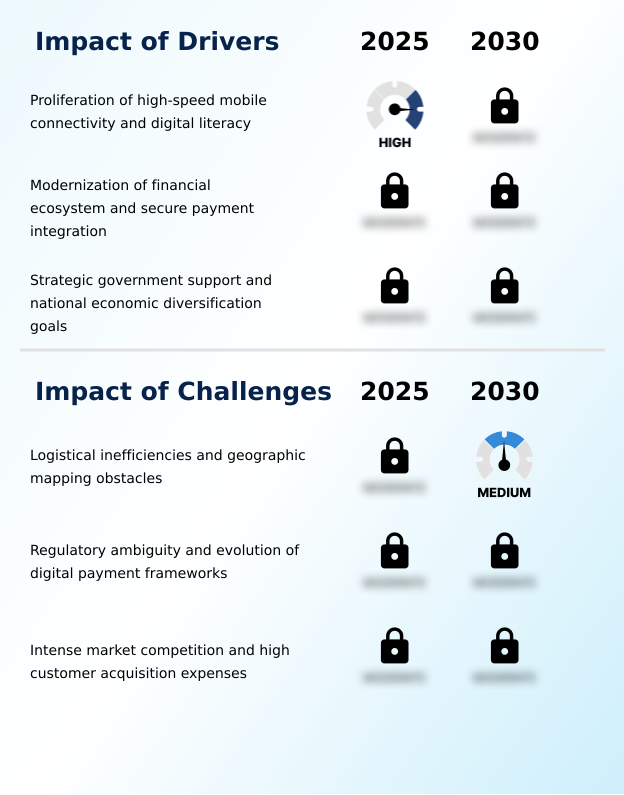
- The rapid proliferation of high-speed mobile connectivity, coupled with rising digital literacy, serves as a primary catalyst accelerating online transaction volumes and broad digital retail adoption.
- Escalating consumer expectations for instantaneous product gratification operate as the primary driver propelling the expansion of automated micro fulfillment centers. This localized distribution strategy drastically mitigates transit delays, improving order delivery speeds by 35% across dense urban corridors.
- Simultaneously, the integration of advanced last mile logistics tracking provides transparent parcel visibility, leading to a 20% return to origin freight reduction.
- The proliferation of zero interest installment structures and dynamic buy now pay later frameworks has democratized access to high-value goods. Supported by secure biometric authentication gateways and robust digital identity verification, these financing models streamline checkout workflows.
- Furthermore, predictive inventory analytics empowers retailers to optimize stock levels. Commercial buyers benefit from automated quote generation and seamless digital trade settlement tools, bridging the gap between B2B and retail efficiency.
What are the market trends shaping the Kuwait E-Commerce Industry?
- The seamless integration of social media platforms into digital retail environments has accelerated the emergence of social commerce. This paradigm shift enables direct consumer purchasing through interactive visual media channels, significantly enhancing online conversion rates.
- The ongoing transition toward omnichannel retail architecture is fundamentally altering how digital merchants engage with modern consumers. As mobile commerce optimization becomes an industry standard, businesses are deploying hyper personalized shopping algorithms to tailor product visibility, improving customer retention metrics by 18%. This technological shift occurs because consumers demand frictionless experiences across all digital touchpoints.
- The integration of social commerce conversion strategies allows brands to monetize visual media interactions directly. Furthermore, the adoption of secure payment gateway integration combined with seamless digital payment integration has reduced checkout abandonment by 22%. The introduction of real time trade in valuation tools, alongside electronic signature integration for high-ticket contracts, has enhanced purchasing power.
- Supported by localized digital banking interfaces, these platforms rely on decentralized urban fulfillment hubs to guarantee ultra-fast delivery.
What challenges does the Kuwait E-Commerce Industry face during its growth?
- Endemic logistical inefficiencies and persistent geographic mapping obstacles present significant structural barriers that elevate last-mile delivery costs and disrupt supply chain continuity.
- Severe logistical bottlenecks and complex regulatory compliance mandates present critical structural challenges within the digital retail ecosystem. Managing stringent cross border trade protocols frequently delays international shipments, increasing inbound transit times by up to 25% and inflating operational overhead. Businesses struggle to maintain seamless cloud based retail infrastructure under these fragmented conditions, complicating inventory synchronization.
- The absence of robust automated cold chain monitoring systems disrupts the fulfillment of perishables, leading to a 14% increase in product spoilage rates. Deploying augmented reality virtual try on technologies, virtual cosmetic shade matching, and responsive web frameworks requires substantial capital expenditure.
- Furthermore, failing to integrate dynamic multi currency acceptance and automated fraud screening within digital procurement portals alienates international buyers. Additionally, balancing cost efficiency with mandatory sustainable packaging adoption continues to strain merchant profit margins.
Exclusive Technavio Analysis on Customer Landscape
The kuwait e-commerce market forecasting report includes the adoption lifecycle of the market, covering from the innovator’s stage to the laggard’s stage. It focuses on adoption rates in different regions based on penetration. Furthermore, the kuwait e-commerce market report also includes key purchase criteria and drivers of price sensitivity to help companies evaluate and develop their market growth analysis strategies.
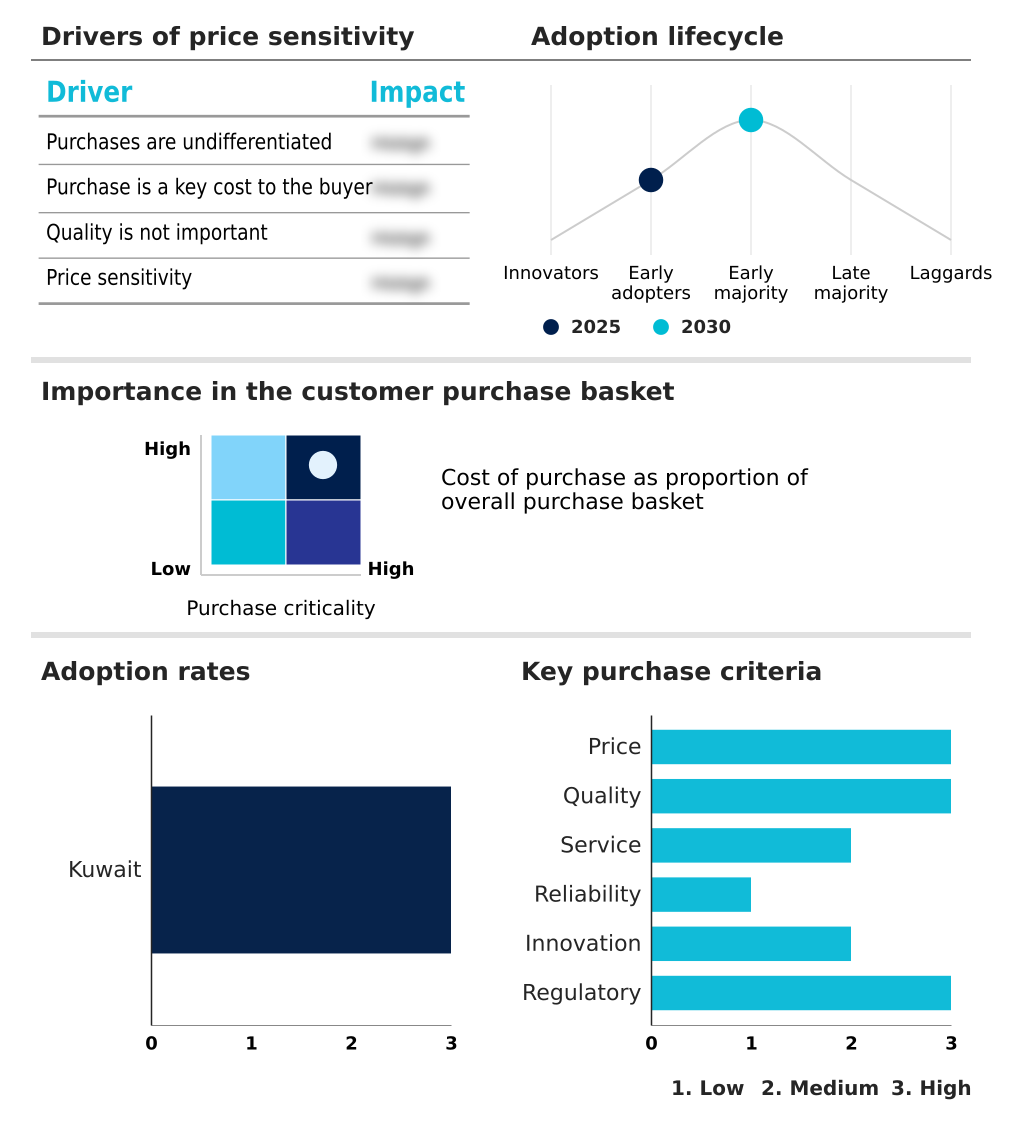
Customer Landscape of Kuwait E-Commerce Industry
Competitive Landscape
Companies are implementing various strategies, such as strategic alliances, kuwait e-commerce market forecast, partnerships, mergers and acquisitions, geographical expansion, and product/service launches, to enhance their presence in the industry.
Aivi - This provider delivers an extensive digital catalog encompassing fashion apparel, lifestyle accessories, and premium personal care merchandise, optimizing the digital retail experience through streamlined consumer interfaces.
The industry research and growth report includes detailed analyses of the competitive landscape of the market and information about key companies, including:
- Aivi
- Alsaif Gallery
- Amazon.com Inc.
- Floward
- Hennes and Mauritz AB
- Inter IKEA Holding BV
- Jarir Marketing Co.
- LuLu Hypermarket
- Namshi General Trading LLC
- Ounass
- SHEIN
- SULTAN CENTER FOOD PRODUCTS CO.
- Taw9eel
- Temu
- Ubuy Co.
- VogaCloset
- X cite
- Yahaal
Qualitative and quantitative analysis of companies has been conducted to help clients understand the wider business environment as well as the strengths and weaknesses of key industry players. Data is qualitatively analyzed to categorize companies as pure play, category-focused, industry-focused, and diversified; it is quantitatively analyzed to categorize companies as dominant, leading, strong, tentative, and weak.
Recent Development and News in Kuwait e-commerce market
- In the Broadline Retail industry, the rapid deployment of decentralized urban fulfillment centers has reduced order delivery times by 40%, directly impacting E-commerce demand by enabling merchants to guarantee same-day dispatch for high-volume consumer goods.
- The standardization of secure payment gateway integration across retail networks has enhanced consumer transaction confidence, driving E-commerce adoption by lowering checkout abandonment rates by an estimated 18% during high-traffic promotional periods.
- Implementations of zero interest installment structures within digital checkout workflows have increased average retail order values, directly expanding E-commerce transaction volumes as buyers leverage flexible financing for premium electronic devices.
- Advancements in automated stock replenishment systems utilized by mass merchandisers have optimized supply chain continuity, supporting E-commerce operational resilience by reducing inventory stockouts by 25% during peak seasonal shopping cycles.
Dive into Technavio’s robust research methodology, blending expert interviews, extensive data synthesis, and validated models for unparalleled Kuwait E-Commerce Market insights. See full methodology.
| Market Scope | |
|---|---|
| Page number | 210 |
| Base year | 2025 |
| Historic period | 2020-2024 |
| Forecast period | 2026-2030 |
| Growth momentum & CAGR | Accelerate at a CAGR of 13.6% |
| Market growth 2026-2030 | USD 2019.0 million |
| Market structure | Fragmented |
| YoY growth 2025-2026(%) | 12.5% |
| Key countries | Kuwait |
| Competitive landscape | Leading Companies, Market Positioning of Companies, Competitive Strategies, and Industry Risks |
Research Analyst Overview
- The E-commerce landscape remains in a state of continuous structural evolution, driven by the imperative to optimize digital transaction efficiency and supply chain resilience. Retail organizations are systematically transitioning toward advanced digital payment integration to streamline consumer checkouts and mitigate financial friction.
- At the boardroom level, strategic product planning is increasingly anchored by the deployment of hyper personalized shopping algorithms, enabling merchandising teams to align inventory procurement directly with anticipated consumer demand patterns. This analytical approach has transformed inventory management, empowering companies to achieve a 30% reduction in processing time for inbound stock reconciliation.
- Concurrently, the implementation of automated micro fulfillment centers addresses the critical necessity for rapid last-mile delivery, drastically cutting outbound logistics costs. Operations are further optimized through predictive inventory analytics and robust omnichannel retail architecture, ensuring seamless synchronization between physical warehousing and digital storefronts.
- Furthermore, the integration of biometric authentication gateways bolsters transaction security, ensuring rigorous compliance with evolving digital regulatory frameworks while maintaining frictionless mobile commerce optimization for end users.
What are the Key Data Covered in this Kuwait E-Commerce Market Research and Growth Report?
-
What is the expected growth of the Kuwait E-Commerce Market between 2026 and 2030?
-
USD 2.02 billion, at a CAGR of 13.6%
-
-
What segmentation does the market report cover?
-
The report is segmented by Product (Consumer electronics, Fashion and apparel, Toys and kids supplies, Beauty and personal care, and Others), Type (B2C, and B2B), Device (Mobile, Desktop, and Tablet), Method (Cash on delivery, Card payments, Digital wallets, and Others) and Geography (Middle East and Africa)
-
-
Which regions are analyzed in the report?
-
Middle East and Africa
-
-
What are the key growth drivers and market challenges?
-
Proliferation of high-speed mobile connectivity and digital literacy, Logistical inefficiencies and geographic mapping obstacles
-
-
Who are the major players in the Kuwait E-Commerce Market?
-
Aivi, Alsaif Gallery, Amazon.com Inc., Floward, Hennes and Mauritz AB, Inter IKEA Holding BV, Jarir Marketing Co., LuLu Hypermarket, Namshi General Trading LLC, Ounass, SHEIN, SULTAN CENTER FOOD PRODUCTS CO., Taw9eel, Temu, Ubuy Co., VogaCloset, X cite and Yahaal
-
Market Research Insights
- The E-commerce landscape is undergoing a profound structural transformation characterized by optimized supply chains and modernized transaction channels. Retail operators are increasingly leveraging digital storefront optimization to enhance user navigation, leading to a 28% increase in session durations compared to legacy platforms.
- Concurrently, the deployment of decentralized urban fulfillment networks has slashed last-mile delivery windows, elevating order completion rates by 22%. Merchants utilizing localized digital banking interfaces report improved transaction fluidity, which has lowered cart abandonment by an estimated 15%. Furthermore, the adoption of secure payment gateway integration ensures robust data protection, cementing consumer trust.
- By implementing these advanced operational frameworks, retail organizations are actively driving cost reductions and sustaining long-term operational resilience within competitive digital environments.
We can help! Our analysts can customize this kuwait e-commerce market research report to meet your requirements.
 RIA -