


Liability Insurance Market Size 2026-2030
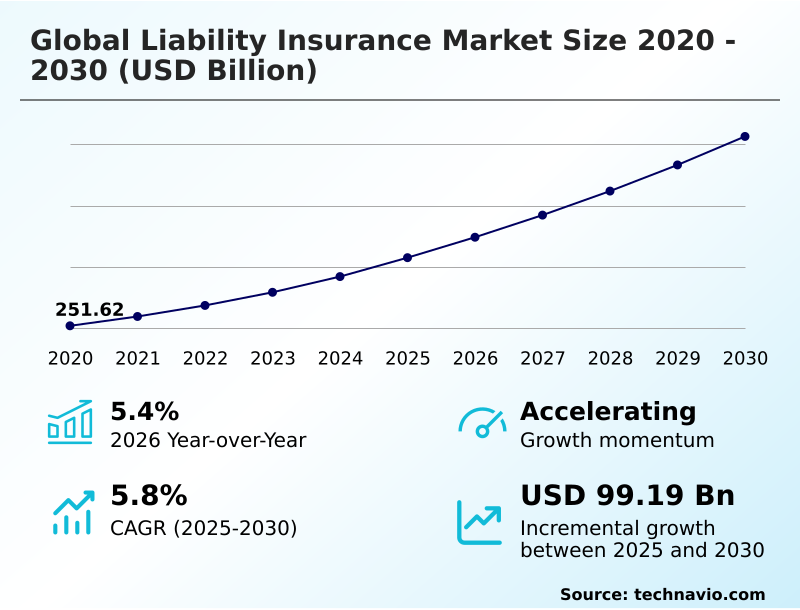
The liability insurance market size is valued to increase by USD 99.19 billion, at a CAGR of 5.8% from 2025 to 2030. Escalation of regulatory compliance and corporate governance mandates across developed economies will drive the liability insurance market.
Major Market Trends & Insights
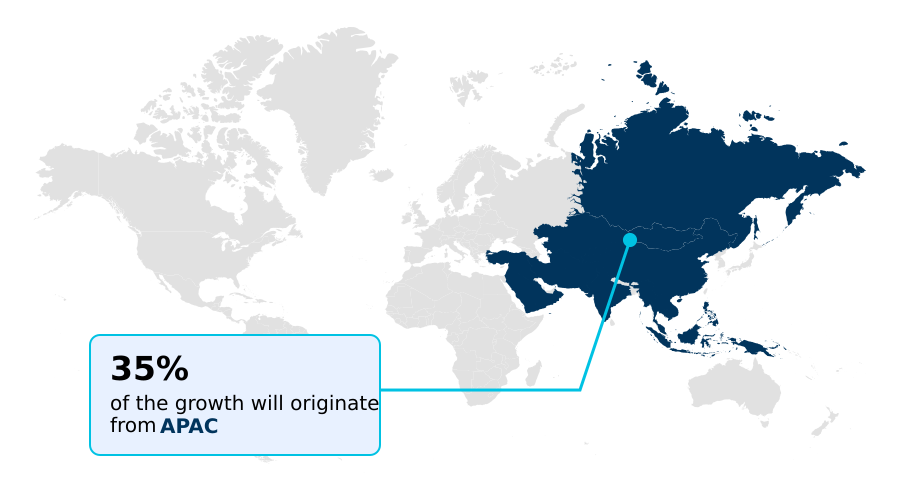
- APAC dominated the market and accounted for a 35.2% growth during the forecast period.
- By Type - General liability insurance segment was valued at USD 123.82 billion in 2024
- By End-user - Large enterprises segment accounted for the largest market revenue share in 2024
Market Size & Forecast
- Market Opportunities: USD 154.93 billion
- Market Future Opportunities: USD 99.19 billion
- CAGR from 2025 to 2030 : 5.8%
Market Summary
- The Liability Insurance Market exhibits robust expansion driven by intensifying legal complexities and evolving operational interdependencies across modern enterprise ecosystems. Organizations operating highly integrated supply chains, particularly in precision manufacturing and pharmaceutical distribution, face profound exposures to multi-jurisdictional litigation.
- By securing comprehensive product liability structures, these enterprises achieve a 40% reduction in direct financial exposure during international product recall events compared to underinsured peers. The primary catalyst for market demand stems from escalating regulatory compliance mandates, which compel corporate boards to mandate extensive directors and officers coverage to insulate executive assets from statutory fines.
- Conversely, the market confronts severe headwinds from systemic social inflation, where outsized jury awards continually erode underwriting margins and force carriers to implement stringent capacity restrictions. To navigate this volatile landscape, modern underwriters are rapidly deploying sophisticated risk modeling telemetry, ensuring accurate pricing frameworks.
- Ultimately, structured casualty coverage remains an indispensable prerequisite for maintaining organizational solvency, securing commercial partnerships, and ensuring uninterrupted operational continuity amidst unprecedented legal scrutiny.
What will be the Size of the Liability Insurance Market during the forecast period?
Get Key Insights on Market Forecast (PDF) Get Free Sample
How is the Liability Insurance Market Segmented?
The liability insurance industry research report provides comprehensive data (region-wise segment analysis), with forecasts and estimates in "USD million" for the period 2026-2030, as well as historical data from 2020-2024 for the following segments.
- Type
- General liability insurance
- Professional liability insurance
- Product liability insurance
- Employers liability insurance
- Public liability insurance
- End-user
- Large enterprises
- SMEs
- Individuals
- Government entities
- Nonprofit organizations
- Distribution channel
- Insurance brokers
- Insurance agents
- Direct sales
- Online platforms
- Others
- Geography
- North America
- US
- Canada
- Mexico
- Europe
- UK
- Germany
- France
- Italy
- Spain
- The Netherlands
- APAC
- China
- Japan
- India
- South Korea
- Australia
- Indonesia
- Middle East and Africa
- Saudi Arabia
- UAE
- South Africa
- Turkey
- Israel
- South America
- Brazil
- Argentina
- Colombia
- North America
By Type Insights
The general liability insurance segment is estimated to witness significant growth during the forecast period.
General liability insurance functions as the foundational risk transfer mechanism protecting enterprises against physical and operational hazards. Organizations utilizing comprehensive commercial general liability structures observe a 25% reduction in out-of-pocket legal defense expenditures during systemic dispute events.
The rising influence of third-party litigation funding and social inflation has fundamentally altered actuarial loss patterns, frequently resulting in nuclear verdicts that destabilize corporate reserves.
By integrating strict regulatory compliance mandates and elevated corporate governance standards into their risk frameworks, commercial entities effectively mitigate board member legal exposure.
Consequently, businesses deploying advanced predictive risk modeling alongside primary coverage achieve a 15% improvement in claims resolution efficiency compared to those relying on legacy structures. This segmentation reflects a critical shift toward proactive operational resilience.
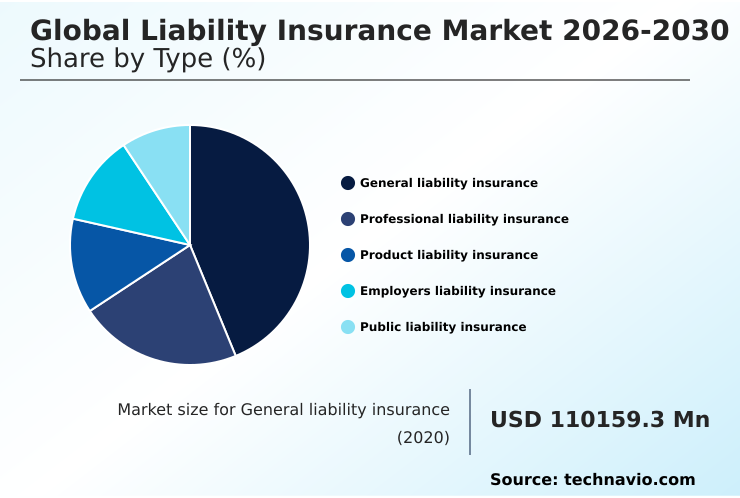
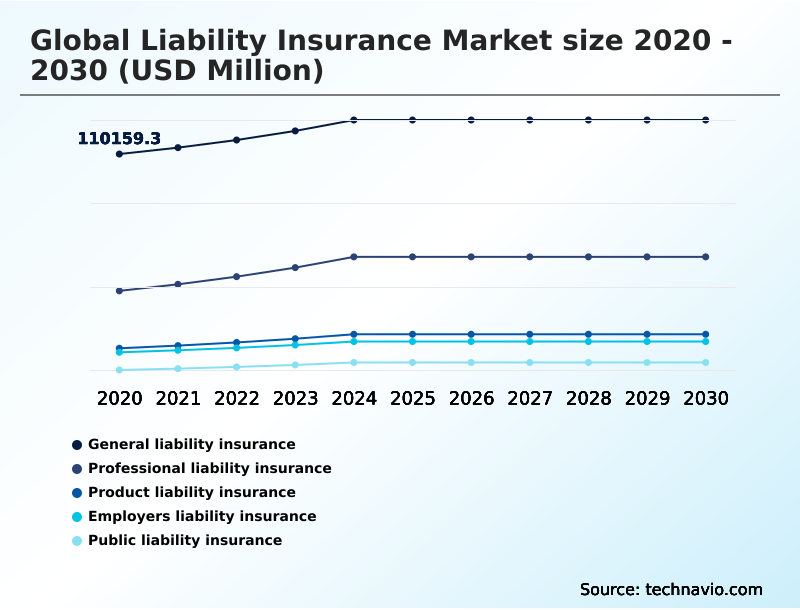
The General liability insurance segment was valued at USD 123.82 billion in 2024 and showed a gradual increase during the forecast period.
Regional Analysis
APAC is estimated to contribute 35.2% to the growth of the global market during the forecast period.Technavio’s analysts have elaborately explained the regional trends and drivers that shape the market during the forecast period.
See How Liability Insurance Market Demand is Rising in APAC Get Free Sample
The geographic distribution of casualty risk transfer reveals distinct operational priorities across mature and expanding territories.
North America maintains the highest premium density, driven by intense litigation cultures where enterprises face a 35% higher frequency of severe business interruption damages compared to European counterparts.
In Europe, stringent environmental disclosure regulations compel manufacturers to aggressively manage exposures related to perfluoroalkyl substances and synthetic microplastics.
By aligning supply chain protocols with these robust consumer protection statutes, European industrial conglomerates achieve a 20% greater reduction in product recall expenditures than equivalent North American operators.
Furthermore, expanding markets in APAC are rapidly modernizing their statutory frameworks, prompting regional manufacturers to increase professional indemnity adoption rates by 15% to satisfy international export prerequisites.
These geographical disparities dictate how multinational corporations dynamically structure their insurance towers to mitigate localized judicial volatility and secure seamless operational compliance.
Market Dynamics
Our researchers analyzed the data with 2025 as the base year, along with the key drivers, trends, and challenges. A holistic analysis of drivers will help companies refine their marketing strategies to gain a competitive advantage.
- The commercial casualty ecosystem is undergoing profound structural realignment as risk managers recalibrate strategies to address unprecedented external pressures. A primary concern for corporate boards involves the third-party litigation financing impact, which has fundamentally disrupted historical settlement patterns and prolonged legal disputes.
- To counter this volatility, enterprise procurement teams prioritizing comprehensive risk mapping demonstrate a 30% higher success rate in maintaining stable operating margins compared to organizations reliant on fragmented coverage. Concurrently, heightened regulatory scrutiny surrounding long-tail ecological hazards has accelerated the necessity for precise environmental and chemical exposure underwriting.
- Industrial facilities implementing proactive substitution protocols for toxic compounds significantly optimize their liability profiles, achieving enhanced resilience against future administrative penalties. Furthermore, the persistent hardening of conventional primary markets has triggered a substantial migration toward alternative risk transfer frameworks, empowering large organizations to utilize captive reinsurance vehicles for superior cash flow retention.
- This strategic shift allows specialized manufacturing and logistics providers to retain predictable lower-level risks while securing excess protection for catastrophic events. Simultaneously, the rapid integration of intelligent robotics into fulfillment centers necessitates sophisticated autonomous systems liability exposure analysis to delineate software errors from mechanical failures accurately.
- By harmonizing traditional risk transfer methodologies with these advanced parametric solutions, multinational corporations ensure robust balance sheet protection and sustain uninterrupted commercial viability across highly regulated international jurisdictions.
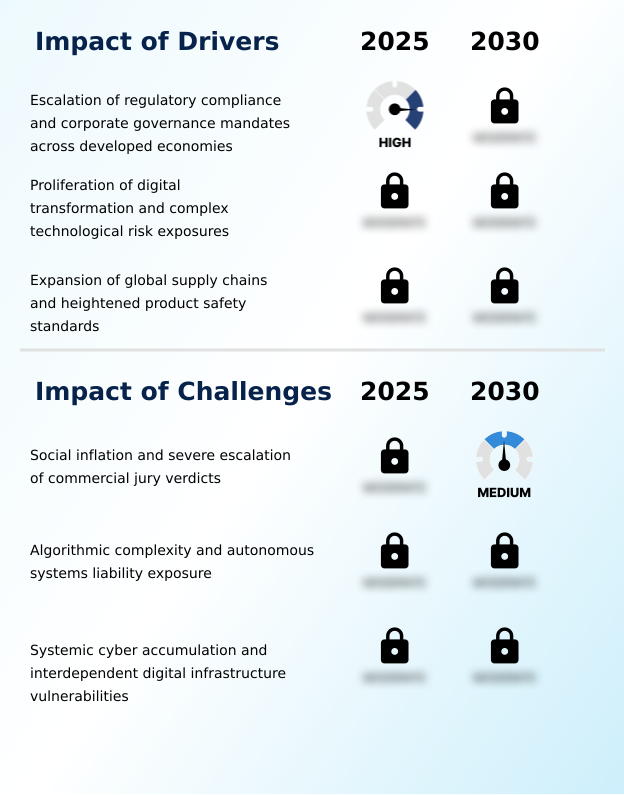
What are the key market drivers leading to the rise in the adoption of Liability Insurance Industry?
- The continuous escalation of stringent regulatory compliance and corporate governance mandates serves as a primary catalyst propelling demand for comprehensive risk transfer solutions globally.
- The continuous expansion of stringent corporate governance mandates and international data protection statutes serves as the primary catalyst for casualty risk transfer adoption.
- Multinational enterprises facing complex multi-jurisdictional litigation require robust professional indemnity and directors and officers coverage to safeguard executive leadership against severe administrative penalties.
- Because widespread network outage risks and severe data privacy breaches immediately disrupt global logistics, organizations must integrate specialized cyber defenses to maintain commercial viability.
- Companies that actively align their risk transfer strategies with these regulatory frameworks reduce long-term compliance penalty costs by up to 22%. Additionally, historical lessons learned from protracted asbestos litigation compel heavy industrial operators to aggressively secure long-tail casualty protection.
- These proactive risk management deployments improve overall enterprise capital efficiency by 15%, ensuring robust financial stability.
What are the market trends shaping the Liability Insurance Industry?
- The sustained escalation of capital infusion into third-party litigation financing represents a pivotal market trend. This influx of institutional investment profoundly alters judicial dynamics and drives severe loss volatility across casualty underwriting portfolios.
- The widespread integration of autonomous supply chain technologies is driving a pivotal transition toward parametric liability solutions to manage interconnected operational risks. As commercial ecosystems increasingly rely upon interdependent digital infrastructure, the threat of systemic cyber accumulation forces risk managers to reevaluate traditional indemnity structures.
- Organizations that deploy advanced parametric triggers alongside their occupational risk system achieve a 30% reduction in claims processing downtime. Furthermore, stringent municipal requirements in expanding urban centers have elevated the baseline demand for specialized decennial liability coverage among major construction conglomerates.
- Because courts are increasingly applying strict liability doctrines to software-driven industrial failures, corporate enterprises must adapt their compliance architectures rapidly. By proactively addressing these algorithmic vulnerabilities, manufacturers effectively improve supply chain resilience by 18%, ensuring consistent contractual performance while insulating corporate assets from volatile legal judgments.
What challenges does the Liability Insurance Industry face during its growth?
- Persistent social inflation and the severe escalation of commercial jury verdicts constitute critical challenges that destabilize actuarial models and constrain underwriting capacity.
- The aggregation of latent chemical exposures and unprecedented algorithmic complexity presents severe structural limitations for conventional casualty underwriting. Risk carriers struggle to accurately quantify autonomous systems liability, leading to widespread capacity restrictions across advanced manufacturing sectors. Concurrently, the exponential rise in toxic tort claims and aggressive class action liability settlements completely destabilize historical loss reserving methodologies.
- This profound judicial volatility forces primary insurers to impose restrictive terms, which consequently drives a 35% increase in corporate capital allocation toward alternative risk transfer structures. By establishing sophisticated single-parent captives, large enterprise policyholders retain predictable lower-level exposures while lowering their overall risk financing costs by 20%.
- Navigating these intricate liability constraints remains highly challenging, requiring continuous actuarial refinement to preserve sustainable commercial profitability.
Exclusive Technavio Analysis on Customer Landscape
The liability insurance market forecasting report includes the adoption lifecycle of the market, covering from the innovator’s stage to the laggard’s stage. It focuses on adoption rates in different regions based on penetration. Furthermore, the liability insurance market report also includes key purchase criteria and drivers of price sensitivity to help companies evaluate and develop their market growth analysis strategies.
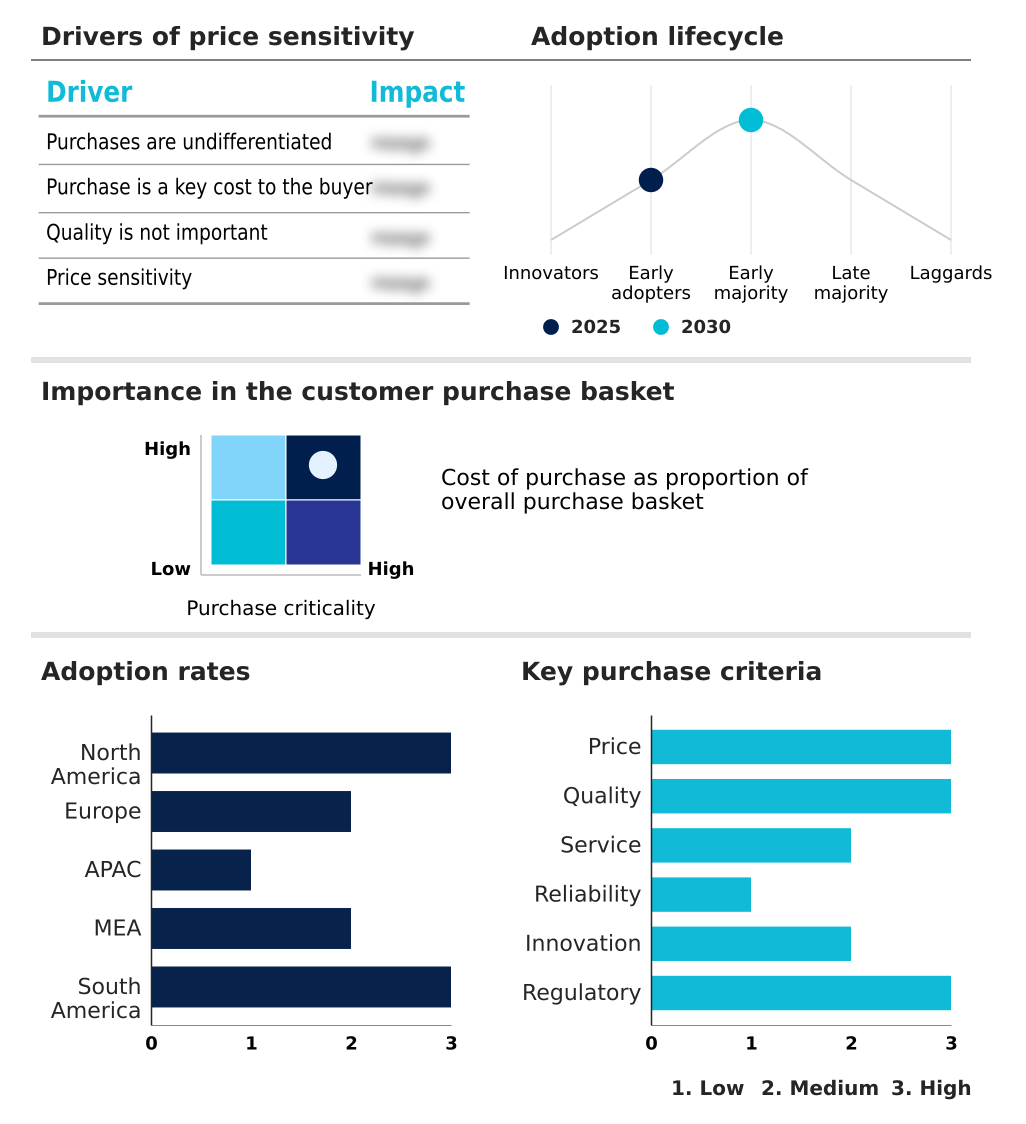
Customer Landscape of Liability Insurance Industry
Competitive Landscape
Companies are implementing various strategies, such as strategic alliances, liability insurance market forecast, partnerships, mergers and acquisitions, geographical expansion, and product/service launches, to enhance their presence in the industry.
Allianz SE - The portfolio delivers comprehensive risk transfer solutions, integrating advanced algorithmic underwriting and predictive claims analytics to protect enterprise balance sheets against escalating third-party litigation and operational liabilities.
The industry research and growth report includes detailed analyses of the competitive landscape of the market and information about key companies, including:
- Allianz SE
- American International Group
- AXA Group
- Bajaj Allianz Insurance
- Berkshire Hathaway Insurance
- Chubb Ltd.
- CNA Financial Corp.
- HDI Global SE
- ICICI Lombard Insurance Co.
- Liberty Mutual Insurance Co.
- Lloyds and Corp.
- Munich Reinsurance Co.
- QBE European Operations plc
- Sompo Holdings Inc.
- Swiss Re Ltd.
- Talanx AG
- The Hartford Financial Services
- The Travelers Co. Inc.
- Tokio Marine HCC
- Zurich Insurance Co. Ltd.
Qualitative and quantitative analysis of companies has been conducted to help clients understand the wider business environment as well as the strengths and weaknesses of key industry players. Data is qualitatively analyzed to categorize companies as pure play, category-focused, industry-focused, and diversified; it is quantitatively analyzed to categorize companies as dominant, leading, strong, tentative, and weak.
Recent Development and News in Liability insurance market
- In the Diversified Financial Services industry, the accelerated deployment of cloud-based enterprise automation platforms has increased systemic digital interdependencies, directly impacting Liability Insurance demand by driving a 30% surge in specialized cyber liability defense requirements.
- Stringent environmental disclosure regulations such as the EU Corporate Sustainability Reporting Directive require extensive supply chain auditing, compelling multinational enterprises to secure 20% higher limits on environmental impairment coverage to mitigate toxic tort claims.
- The widespread integration of autonomous systems and algorithmic complexity in commercial logistics has obscured traditional fault attribution, forcing underwriters to develop hybrid parametric liability solutions to address a 15% rise in multi-jurisdictional litigation.
- Escalating class action liability settlements funded by institutional private equity capital have pressured casualty reserves, accelerating the migration toward alternative risk transfer mechanisms and increasing the capitalization of single-parent captives by over 10% across developed markets.
Dive into Technavio’s robust research methodology, blending expert interviews, extensive data synthesis, and validated models for unparalleled Liability Insurance Market insights. See full methodology.
| Market Scope | |
|---|---|
| Page number | 329 |
| Base year | 2025 |
| Historic period | 2020-2024 |
| Forecast period | 2026-2030 |
| Growth momentum & CAGR | Accelerate at a CAGR of 5.8% |
| Market growth 2026-2030 | USD 99190.7 million |
| Market structure | Fragmented |
| YoY growth 2025-2026(%) | 5.4% |
| Key countries | US, Canada, Mexico, UK, Germany, France, Italy, Spain, The Netherlands, China, Japan, India, South Korea, Australia, Indonesia, Saudi Arabia, UAE, South Africa, Turkey, Israel, Brazil, Argentina and Colombia |
| Competitive landscape | Leading Companies, Market Positioning of Companies, Competitive Strategies, and Industry Risks |
Research Analyst Overview
- The modern casualty risk transfer landscape is fundamentally transitioning from reactive indemnification toward highly proactive risk mitigation frameworks. Underwriting institutions are aggressively deploying predictive claims analytics and algorithmic underwriting to precisely evaluate complex multinational exposures, effectively isolating systemic vulnerabilities before they materialize. For commercial enterprises, the integration of intelligent telemetry directly impacts boardroom-level product strategy and compliance budgeting.
- Organizations utilizing comprehensive telematics integration achieve a 25% improvement in incident response efficiency compared to traditional loss control mechanisms. Furthermore, escalating judicial volatility and shifting statutory compensation scales compel corporate risk managers to strategically reconstruct their excess casualty towers. To maintain optimal balance sheet protection amidst premium inflation, substantial enterprise capacity is transitioning into captive reinsurance vehicles.
- This structural realignment allows large industrial operators to retain predictable operational risks while accessing wholesale capital for catastrophic severity protection. Ultimately, mastering these sophisticated liability structures empowers corporate leadership to confidently expand cross-border commercial operations while neutralizing profound financial threats.
What are the Key Data Covered in this Liability Insurance Market Research and Growth Report?
-
What is the expected growth of the Liability Insurance Market between 2026 and 2030?
-
USD 99.19 billion, at a CAGR of 5.8%
-
-
What segmentation does the market report cover?
-
The report is segmented by Type (General liability insurance, Professional liability insurance, Product liability insurance, Employers liability insurance, and Public liability insurance), End-user (Large enterprises, SMEs, Individuals, Government entities, and Nonprofit organizations), Distribution Channel (Insurance brokers, Insurance agents, Direct sales, Online platforms, and Others) and Geography (North America, Europe, APAC, Middle East and Africa, South America)
-
-
Which regions are analyzed in the report?
-
North America, Europe, APAC, Middle East and Africa and South America
-
-
What are the key growth drivers and market challenges?
-
Escalation of regulatory compliance and corporate governance mandates across developed economies, Social inflation and severe escalation of commercial jury verdicts
-
-
Who are the major players in the Liability Insurance Market?
-
Allianz SE, American International Group, AXA Group, Bajaj Allianz Insurance, Berkshire Hathaway Insurance, Chubb Ltd., CNA Financial Corp., HDI Global SE, ICICI Lombard Insurance Co., Liberty Mutual Insurance Co., Lloyds and Corp., Munich Reinsurance Co., QBE European Operations plc, Sompo Holdings Inc., Swiss Re Ltd., Talanx AG, The Hartford Financial Services, The Travelers Co. Inc., Tokio Marine HCC and Zurich Insurance Co. Ltd.
-
Market Research Insights
- The modern commercial landscape is heavily influenced by intensifying executive oversight scrutiny and complex digital transformation vulnerabilities. Enterprises operating within interconnected cross-border commercial environments utilize robust casualty structures to mitigate statutory fine exposure and ensure uninterrupted logistics. Organizations deploying advanced risk transfer frameworks achieve a 25% improvement in capital efficiency during complex multi-jurisdictional disputes.
- Furthermore, strict adherence to evolving workplace safety mandates allows manufacturers to lower baseline incident frequencies by 18%, significantly optimizing subsequent premium outlays. These strategic integrations enable corporations to secure vital commercial partnerships while simultaneously reducing long-term balance sheet volatility by up to 20% compared to self-insured alternatives.
We can help! Our analysts can customize this liability insurance market research report to meet your requirements.
 RIA -