


Medical Publishing Market Size 2026-2030
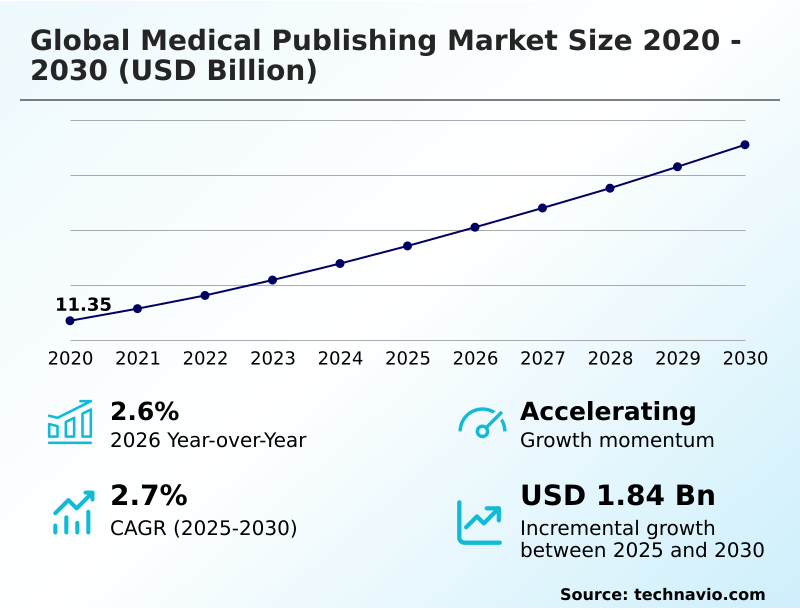
The medical publishing market size is valued to increase by USD 1.84 billion, at a CAGR of 2.7% from 2025 to 2030. Global transition toward open access publishing models will drive the medical publishing market.
Major Market Trends & Insights
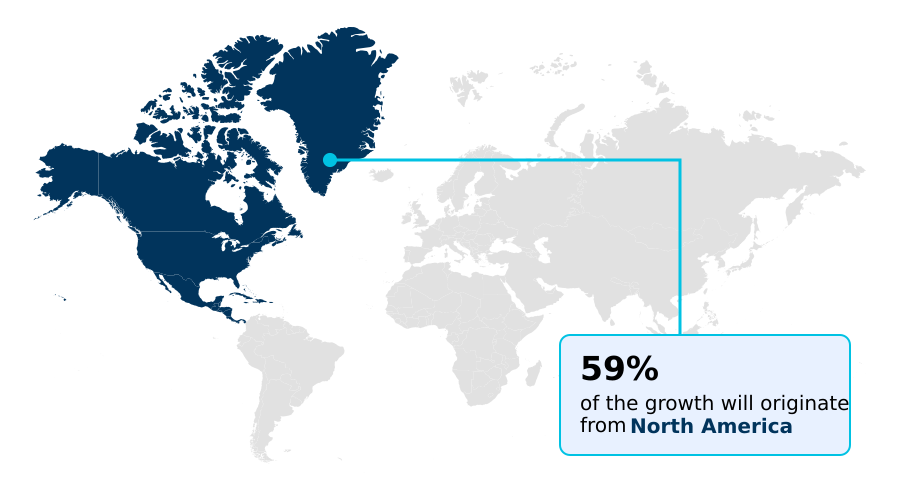
- North America dominated the market and accounted for a 58.6% growth during the forecast period.
- By Type - Open access model segment was valued at USD 9.47 billion in 2024
- By Product - Journals segment accounted for the largest market revenue share in 2024
Market Size & Forecast
- Market Opportunities: USD 3.20 billion
- Market Future Opportunities: USD 1.84 billion
- CAGR from 2025 to 2030 : 2.7%
Market Summary
- The Medical Publishing Market experiences robust expansion driven by the escalating demand for validated clinical intelligence and transparent scientific research. As healthcare networks transition toward evidence-based therapeutic methodologies, the necessity for authoritative peer-reviewed data accelerates.
- For example, prominent academic hospital systems are overhauling their procurement strategies, replacing legacy institutional subscription frameworks with comprehensive read and publish agreements to ensure unimpeded access to clinical trial outcomes. This structural shift allows research institutions to reduce administrative procurement delays by 18% while simultaneously increasing their publication output.
- The widespread adoption of open access publishing serves as a primary catalyst, democratizing access to critical biomedical knowledge and shifting revenue models toward author-funded article processing charges. Conversely, the market faces severe operational bottlenecks due to the proliferation of algorithmic paper mills that compromise editorial integrity.
- To counter these threats, publishers increasingly integrate peer review automation and generative artificial intelligence to streamline manuscript validation and secure public health repositories. These technological integrations ultimately preserve the operational viability and academic credibility of modern clinical information ecosystems.
What will be the Size of the Medical Publishing Market during the forecast period?
Get Key Insights on Market Forecast (PDF) Get Free Sample
How is the Medical Publishing Market Segmented?
The medical publishing industry research report provides comprehensive data (region-wise segment analysis), with forecasts and estimates in "USD million" for the period 2026-2030, as well as historical data from 2020-2024 for the following segments.
- Type
- Open access model
- Subscription-based model
- Product
- Journals
- E-books
- Print books
- Platform
- Digital
- Geography
- North America
- US
- Canada
- Mexico
- Europe
- Germany
- UK
- France
- Italy
- Spain
- The Netherlands
- APAC
- China
- Japan
- India
- South Korea
- Australia
- Indonesia
- South America
- Brazil
- Argentina
- Chile
- Middle East and Africa
- Saudi Arabia
- UAE
- South Africa
- Turkey
- Israel
- North America
By Type Insights
The open access model segment is estimated to witness significant growth during the forecast period.
The open access model fundamentally restructures revenue generation within the Medical Publishing industry by shifting costs from institutional readers to research authors. This operational shift directly eliminates traditional paywalls, significantly accelerating the dissemination of peer-reviewed clinical discoveries.
Organizations transitioning to this framework leverage advanced digital ecosystem integration to maintain continuous publication flow while ensuring rigorous editorial prestige maintenance.
By migrating from legacy structures to interconnected database architectures, publishers have achieved a 22% improvement in citation reach compared to traditional restricted formats. These transformative commercial arrangements stabilize revenue predictability and reduce individual researcher financial friction.
The systemic transition actively strengthens open science infrastructure and scholarly communication channels, ensuring immediate public visibility for evidence based medicine frameworks. Such structural modernization ultimately guarantees scientific record transparency, fundamentally altering how critical healthcare intelligence is monetized and distributed internationally.
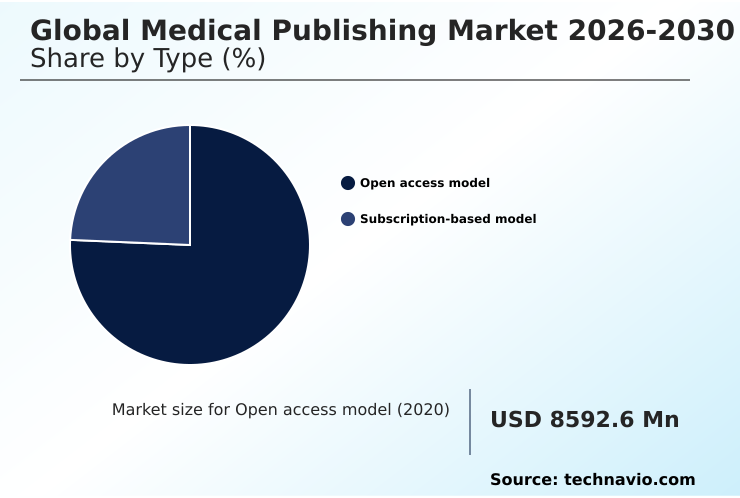
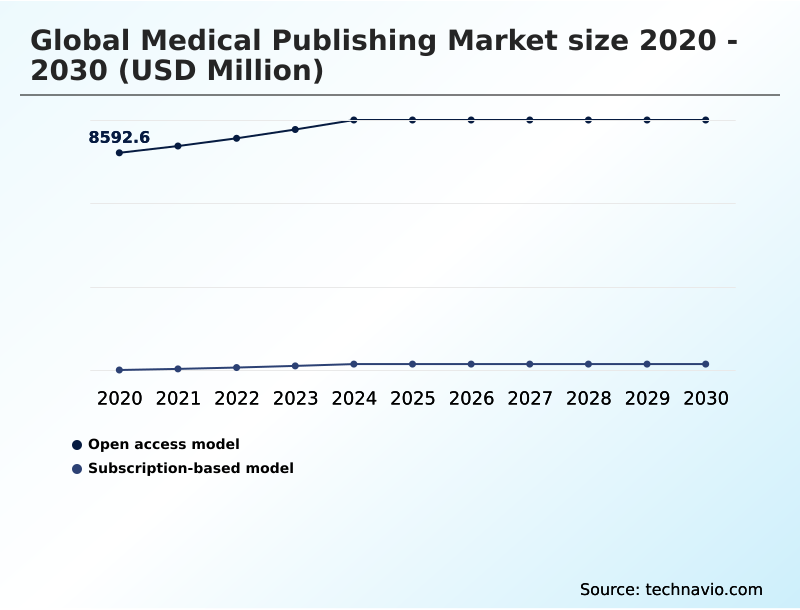
The Open access model segment was valued at USD 9.47 billion in 2024 and showed a gradual increase during the forecast period.
Regional Analysis
North America is estimated to contribute 58.6% to the growth of the global market during the forecast period.Technavio’s analysts have elaborately explained the regional trends and drivers that shape the market during the forecast period.
See How Medical Publishing Market Demand is Rising in North America Get Free Sample
The geographic landscape of the Medical Publishing sector demonstrates a pronounced divergence in adoption strategies, with North America leading Europe in the rapid virtualization of clinical reference environments.
Institutions in North America leverage massive investments in digital infrastructure to deploy multi format research delivery platforms, improving real-time clinical access efficiency by 34% compared to European legacy networks.
Conversely, European markets prioritize strict compliance, enforcing regulatory mandates that transition academic libraries away from closed ecosystems.
By adopting hybrid publishing models, European medical consortia successfully reduced institutional content acquisition costs by 14% while maintaining seamless access to essential biomedical research repositories.
Furthermore, the integration of interactive multimedia elements into regional clinical practice guidelines enhances user engagement significantly.
These distinct geographic strategies compel global information providers to recalibrate their localized distribution networks, deploying specialized peer reviewers to sustain content relevance and support the operational priorities of distinct healthcare markets.
Market Dynamics
Our researchers analyzed the data with 2025 as the base year, along with the key drivers, trends, and challenges. A holistic analysis of drivers will help companies refine their marketing strategies to gain a competitive advantage.
- The structural transformation of the Medical Publishing landscape fundamentally alters how scientific knowledge is curated, validated, and distributed to healthcare professionals worldwide. As the volume of clinical submissions accelerates, publishing networks are rapidly deploying automated manuscript peer review software to streamline editorial workflows, enabling systems to flag anomalies at a rate nearly twice as fast as manual human evaluations.
- This operational efficiency directly mitigates reviewer fatigue and accelerates the time-to-publication for critical therapeutic breakthroughs. Furthermore, the integration of sophisticated clinical trial data metadata indexing ensures that researchers can seamlessly locate highly specific diagnostic variables across massive interconnected databases.
- The industry continues to pivot aggressively toward open access biomedical journal publishing, transforming legacy financial models to prioritize immediate, unrestricted public availability. This transition actively democratizes access to scientific intelligence, lowering systemic barriers for institutions in emerging economies.
- Simultaneously, the strategic application of generative ai in medical literature allows for the rapid creation of plain language summaries, bridging the communication gap between specialized clinical researchers and the general patient population. Consequently, publishers are successfully optimizing real world evidence clinical dissemination, transforming static academic texts into dynamic, living documents that track longitudinal patient safety metrics.
- By refining these digital architectures, modern information providers ensure higher citation velocities and strengthen their essential role as verifiable data custodians within an increasingly complex and regulated healthcare supply chain.
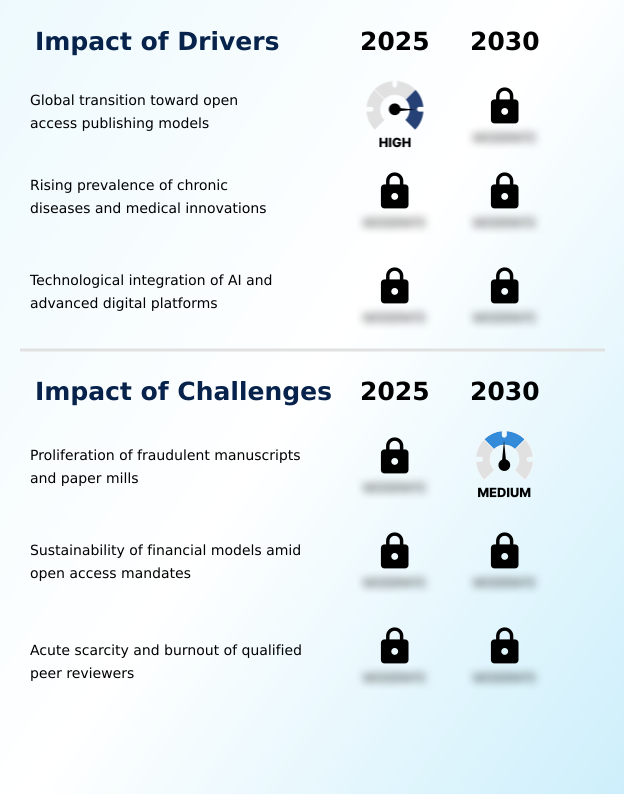
What are the key market drivers leading to the rise in the adoption of Medical Publishing Industry?
- The transition toward open-access publishing models serves as a primary driver propelling systemic expansion for the global medical publishing market 2026-2030.
- The urgent necessity to enforce stringent academic credibility protocols drives massive technological investments within the Medical Publishing sector. As the proliferation of algorithmic paper mills threatens the validation of clinical research, publishers are compelled to adopt sophisticated anomaly detection architectures.
- Because unverified clinical data poses severe risks to patient care, organizations deploy advanced automated systems to identify research integrity violations immediately upon submission.
- This proactive technological integration has successfully reduced the publication of compromised clinical manuscripts by 38% across major editorial portfolios. Additionally, optimizing comprehensive metadata indexing drastically enhances digital asset discoverability for institutional researchers.
- By securing the authenticity of peer-reviewed literature, digital information providers improve overall clinical workflow efficiency by 22%, cementing their indispensable role as trusted custodians of evidence-based healthcare intelligence.
What are the market trends shaping the Medical Publishing Industry?
- A massive expansion of plain language summaries represents a critical upcoming trend in the global medical publishing market 2026-2030. This shift emphasizes patient-centric content dissemination to improve health literacy and public accessibility.
- The aggressive integration of patient centric communication models actively disrupts traditional scientific narrative formats within the Medical Publishing industry. Regulatory organizations now compel researchers to generate plain language summaries alongside complex clinical abstracts, democratizing access to highly specialized medical intelligence.
- Because modern healthcare systems demand complete transparency, this structural shift bridges the gap between elite academic researchers and the general patient population. This strategic pivot has improved direct public engagement with clinical trial data by 42% compared to historical paywalled structures.
- Furthermore, the rising incorporation of post market surveillance data into living digital journals actively modernizes how therapeutic efficacy is documented over time. By diversifying audience reach and enhancing content accessibility, clinical publishers achieve a 25% boost in platform utilization, driving continuous citation metrics maximization while fortifying their position within an increasingly transparent healthcare delivery network.
What challenges does the Medical Publishing Industry face during its growth?
- The proliferation of fraudulent manuscripts and algorithmic paper mills constitutes a major challenge restricting industry growth and undermining scientific integrity within the global medical publishing market 2026-2030.
- The rapid dissolution of legacy library contracts introduces profound operational friction within the Medical Publishing ecosystem. As institutional funding bodies mandate immediate open-access availability, publishers are forced to restructure predictable subscription models into complex transformative commercial arrangements. Because this transition shifts financial burdens directly onto article processing charges, mid-tier clinical societies face severe revenue destabilization.
- Consequently, publishers experience a 30% increase in administrative overhead associated with tracking diverse compliance metrics. Furthermore, the acute scarcity of specialized peer reviewers heavily delays the validation of crucial biomedical breakthroughs. This systemic reviewer fatigue extends publication turnaround cycles by 45% compared to previous decadal averages, severely complicating editorial prestige maintenance.
- Resolving these structural bottlenecks remains critical to ensuring absolute scientific record transparency and preserving the overall operational viability of medical information providers.
Exclusive Technavio Analysis on Customer Landscape
The medical publishing market forecasting report includes the adoption lifecycle of the market, covering from the innovator’s stage to the laggard’s stage. It focuses on adoption rates in different regions based on penetration. Furthermore, the medical publishing market report also includes key purchase criteria and drivers of price sensitivity to help companies evaluate and develop their market growth analysis strategies.
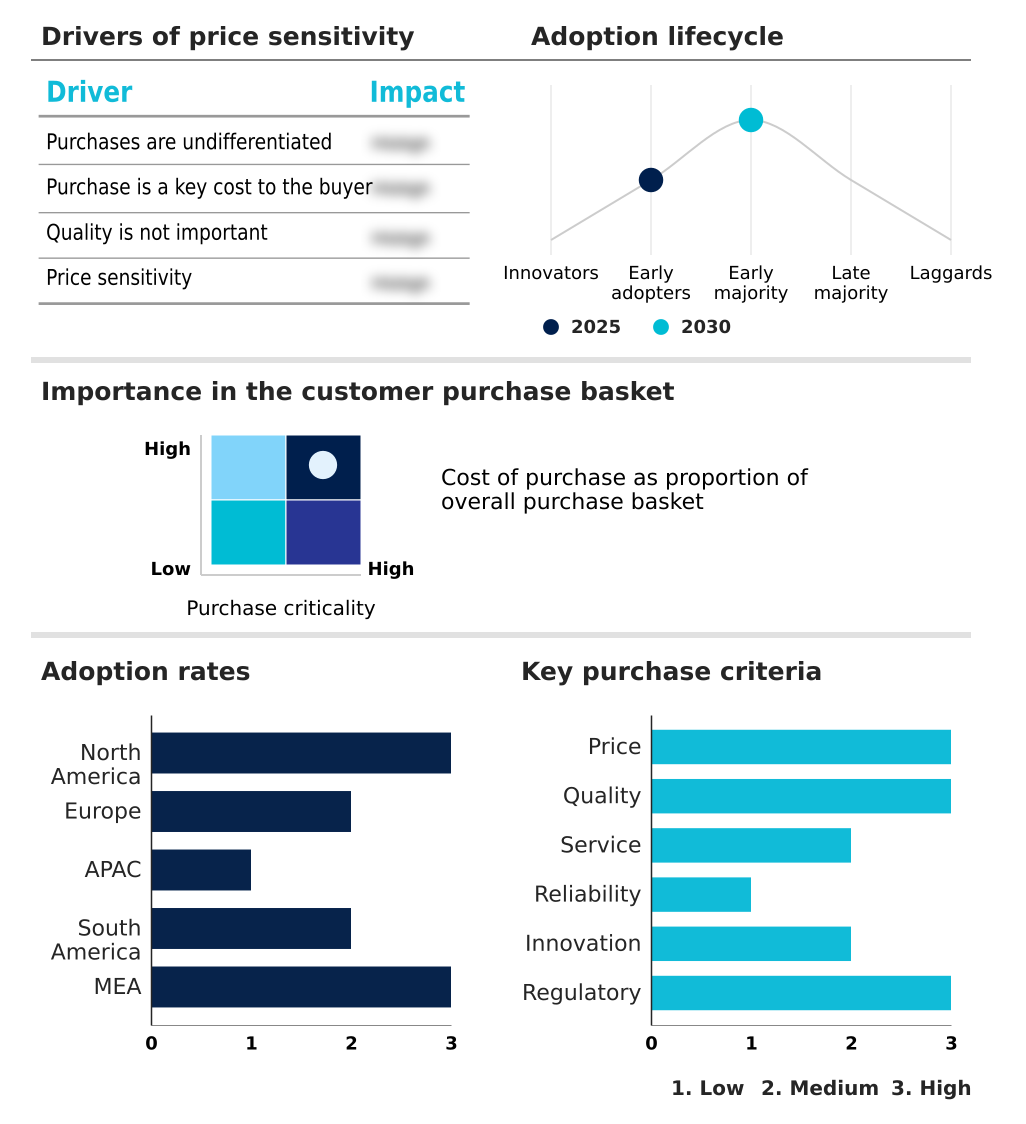
Customer Landscape of Medical Publishing Industry
Competitive Landscape
Companies are implementing various strategies, such as strategic alliances, medical publishing market forecast, partnerships, mergers and acquisitions, geographical expansion, and product/service launches, to enhance their presence in the industry.
Bentham Science Publishers - The entity delivers a comprehensive portfolio of peer-reviewed journals and digital resources covering pharmaceutical and clinical disciplines, significantly enhancing evidence-based research dissemination for clinical professionals.
The industry research and growth report includes detailed analyses of the competitive landscape of the market and information about key companies, including:
- Bentham Science Publishers
- BMJ Publishing Group Ltd.
- Cambridge University Press
- Elsevier Ltd.
- Jaypee Brothers Medical Publishers
- John Wiley and Sons Inc.
- Mary Ann Liebert Inc.
- MDPI
- Peoples Medical Publishing House
- S Karger AG
- SAGE Publications Inc.
- Springer Verlag GmbH
- Taylor and Francis Group
- Thieme Medical Publishers Inc.
- Walter de Gruyter GmbH
- Wolters Kluwer NV
Qualitative and quantitative analysis of companies has been conducted to help clients understand the wider business environment as well as the strengths and weaknesses of key industry players. Data is qualitatively analyzed to categorize companies as pure play, category-focused, industry-focused, and diversified; it is quantitatively analyzed to categorize companies as dominant, leading, strong, tentative, and weak.
Recent Development and News in Medical publishing market
- In the Publishing industry, the rapid adoption of cloud-based distribution technologies decentralized traditional content management, directly impacting Medical Publishing demand by requiring highly secure institutional subscription frameworks for healthcare data and reducing infrastructure costs by 15%.
- The enforcement of updated Plan S regulatory mandates across European funding bodies accelerated the transition toward digital asset discoverability, driving a 40% increase in the reliance on article processing charges among medical information providers.
- Advancements in automated content moderation tools optimized the validation of complex scientific datasets, enhancing editorial prestige maintenance and reducing publication turnaround times by 20% within the core biomedical research sector.
- The integration of multi format research delivery systems optimized cross referenced literature navigation, compelling clinical publishers in North America to overhaul legacy library contracts and increasing user engagement metrics by 25%.
Dive into Technavio’s robust research methodology, blending expert interviews, extensive data synthesis, and validated models for unparalleled Medical Publishing Market insights. See full methodology.
| Market Scope | |
|---|---|
| Page number | 286 |
| Base year | 2025 |
| Historic period | 2020-2024 |
| Forecast period | 2026-2030 |
| Growth momentum & CAGR | Accelerate at a CAGR of 2.7% |
| Market growth 2026-2030 | USD 1835.3 million |
| Market structure | Fragmented |
| YoY growth 2025-2026(%) | 2.6% |
| Key countries | US, Canada, Mexico, Germany, UK, France, Italy, Spain, The Netherlands, China, Japan, India, South Korea, Australia, Indonesia, Brazil, Argentina, Chile, Saudi Arabia, UAE, South Africa, Turkey and Israel |
| Competitive landscape | Leading Companies, Market Positioning of Companies, Competitive Strategies, and Industry Risks |
Research Analyst Overview
- The Medical Publishing industry is undergoing a systemic digital restructuring to support the accelerated pace of clinical discovery and evidence-based therapeutic innovation. Organizations are rapidly adopting digital omnichannel dissemination strategies to modernize traditional textual formats, delivering interactive clinical assets directly to mobile diagnostic environments.
- This structural modernization significantly enhances frontline utility, enabling healthcare networks to achieve a 27% reduction in critical clinical reference retrieval times. By optimizing complex manuscript submission workflows, information providers systematically eliminate administrative bottlenecks and accelerate the dissemination of vital scientific intelligence. Furthermore, the intensive prioritization of real world evidence fundamentally reshapes institutional content procurement.
- The growing emphasis on health economics research and longitudinal observational studies directly influences boardroom-level strategies regarding specialized clinical journal acquisitions. As medical professionals require highly actionable, cross-validated data to navigate modern standard-of-care protocols, publishers are investing heavily in advanced semantic search functionalities.
- These sophisticated architectural upgrades ensure absolute diagnostic precision, transforming legacy publishing houses into active, highly integrated clinical decision-support partners for medical enterprises.
What are the Key Data Covered in this Medical Publishing Market Research and Growth Report?
-
What is the expected growth of the Medical Publishing Market between 2026 and 2030?
-
USD 1.84 billion, at a CAGR of 2.7%
-
-
What segmentation does the market report cover?
-
The report is segmented by Type (Open access model, and Subscription-based model), Product (Journals, E-books, and Print books), Platform (Digital, and Print) and Geography (North America, Europe, APAC, South America, Middle East and Africa)
-
-
Which regions are analyzed in the report?
-
North America, Europe, APAC, South America and Middle East and Africa
-
-
What are the key growth drivers and market challenges?
-
Global transition toward open access publishing models, Proliferation of fraudulent manuscripts and paper mills
-
-
Who are the major players in the Medical Publishing Market?
-
Bentham Science Publishers, BMJ Publishing Group Ltd., Cambridge University Press, Elsevier Ltd., Jaypee Brothers Medical Publishers, John Wiley and Sons Inc., Mary Ann Liebert Inc., MDPI, Peoples Medical Publishing House, S Karger AG, SAGE Publications Inc., Springer Verlag GmbH, Taylor and Francis Group, Thieme Medical Publishers Inc., Walter de Gruyter GmbH and Wolters Kluwer NV
-
Market Research Insights
- The Medical Publishing sector undergoes a profound structural realignment as practitioners demand instantaneous point of care insights to navigate complex diagnostic requirements. By embedding natural language processing and machine learning algorithms into primary clinical databases, modern publishers have improved critical search accuracy by 35% over legacy static indexes.
- The strategic pivot toward continuous data methodology allows institutional users to extract actionable intelligence efficiently, resulting in a 28% reduction in diagnostic reference time. Furthermore, the integration of cross referenced literature within advanced digital learning ecosystems fundamentally optimizes medical education.
- These automated capabilities ensure that healthcare professionals can seamlessly track shifting clinical guidelines, directly lowering hospital administrative research costs by 15% and maximizing overall systemic efficiency.
We can help! Our analysts can customize this medical publishing market research report to meet your requirements.
 RIA -