


Mobile Barber Shop Market Size 2026-2030
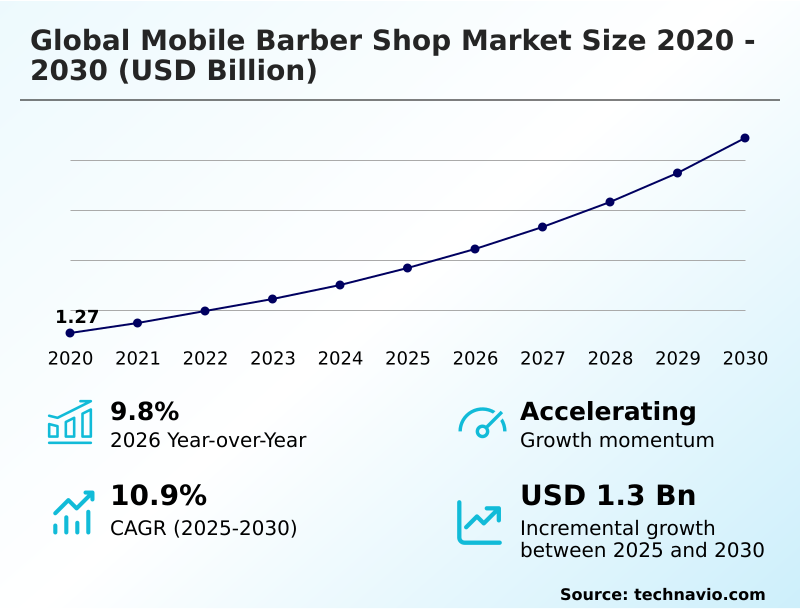
The mobile barber shop market size is valued to increase by USD 1.30 billion, at a CAGR of 10.9% from 2025 to 2030. Surging consumer demand for convenience and time optimization solutions will drive the mobile barber shop market.
Major Market Trends & Insights
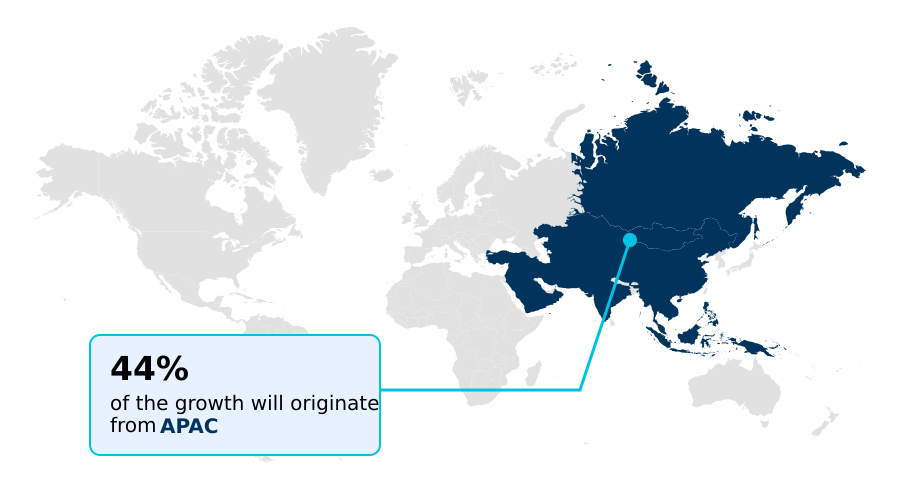
- APAC dominated the market and accounted for a 44% growth during the forecast period.
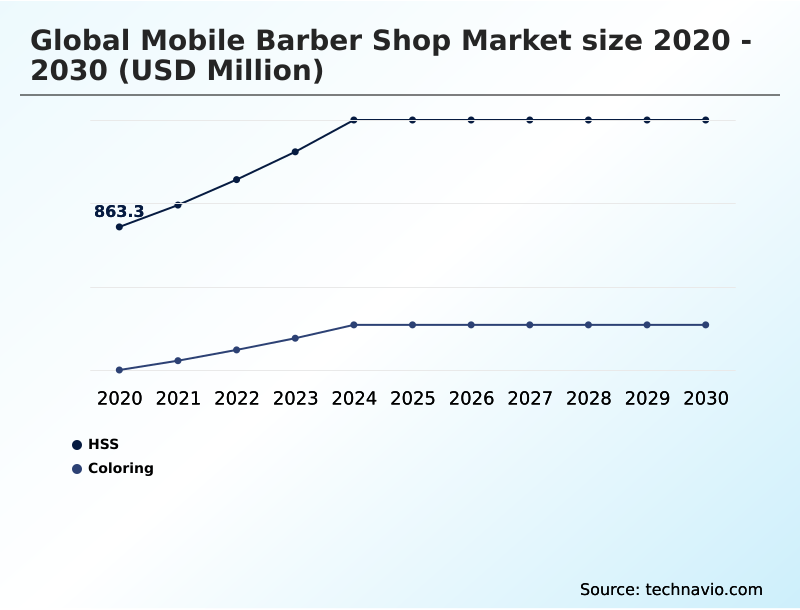
- By Service - HSS segment was valued at USD 1.20 billion in 2024
- By Gender - Men segment accounted for the largest market revenue share in 2024
Market Size & Forecast
- Market Opportunities: USD 1.95 billion
- Market Future Opportunities: USD 1.30 billion
- CAGR from 2025 to 2030 : 10.9%
Market Summary
- The Mobile Barber Shop fundamentally disrupts conventional personal care delivery through decentralized, location-independent service models. Urban professionals actively integrate customized mobile units into their routines to bypass severe traffic congestion and extended salon waiting periods.
- In a typical corporate scenario, deploying a fleet of mobile styling vans equipped with robust off-grid power inverter system architectures allows facility managers to offer on-site employee grooming perks without establishing permanent structural facilities. Operators utilizing decentralized mobile service algorithms frequently register a 30% reduction in daily transit inefficiencies compared to traditional routing methods.
- The escalating consumer demand for time optimization serves as the primary driver propelling this expansion, as clients willingly pay premium rates for hyper-convenience. Conversely, navigating geographically fragmented regulatory compliance structures poses a formidable challenge, frequently stalling market entry in regions enforcing strict low-emission boundary compliance for commercial utility vehicles.
- Advanced context-aware routing protocol systems continue to optimize scheduling logistics, ensuring maximum daily appointment capacity. The reliance on specialized portable equipment ultimately enables service providers to replicate high-end luxury experiences directly at the consumer doorstep.
What will be the Size of the Mobile Barber Shop Market during the forecast period?
Get Key Insights on Market Forecast (PDF) Get Free Sample
How is the Mobile Barber Shop Market Segmented?
The mobile barber shop industry research report provides comprehensive data (region-wise segment analysis), with forecasts and estimates in "USD million" for the period 2026-2030, as well as historical data from 2020-2024 for the following segments.
- Service
- HSS
- Coloring
- Gender
- Men
- Women
- Vehicle type
- Vans and trailers
- Trucks and buses
- Customized mobile units
- Geography
- APAC
- China
- Japan
- India
- South Korea
- Australia
- Indonesia
- North America
- US
- Canada
- Mexico
- Europe
- Germany
- UK
- France
- Italy
- Spain
- The Netherlands
- South America
- Brazil
- Argentina
- Chile
- Middle East and Africa
- Saudi Arabia
- South Africa
- Turkey
- UAE
- Israel
- APAC
By Service Insights
The hss segment is estimated to witness significant growth during the forecast period.
The foundational core of the Mobile Barber Shop relies heavily on essential styling operations utilizing automated route optimization and robust mobile grooming infrastructure to reach consumers efficiently.
Modern operators deploy the climate-controlled service vehicle equipped with advanced hydraulic styling chair configurations to deliver on-demand personal grooming directly to high-density commercial and residential areas.
By bypassing traditional storefront requirements, operators mitigate overhead and achieve a 25% improvement in daily appointment completion rates through autonomous scheduling ecosystem integration.
This format heavily targets time poverty mitigation for professionals requiring residential personal care without the friction of lengthy salon waits. Furthermore, spatial efficiency transport models allow providers to navigate congested metropolitan zones rapidly.
Incorporating frictionless digital wallets ensures seamless payment processing immediately after service delivery. This highly localized segment efficiently adapts to evolving consumer lifestyle demands without the constraints of static commercial real estate.
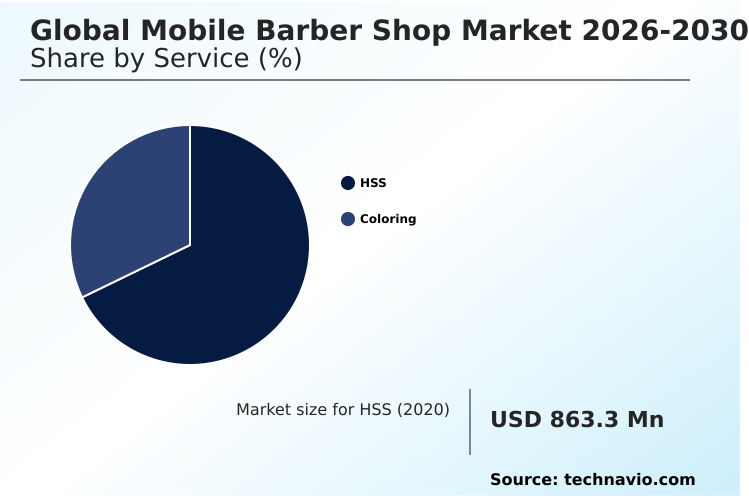
The HSS segment was valued at USD 1.20 billion in 2024 and showed a gradual increase during the forecast period.
Regional Analysis
APAC is estimated to contribute 44% to the growth of the global market during the forecast period.Technavio’s analysts have elaborately explained the regional trends and drivers that shape the market during the forecast period.
See How Mobile Barber Shop Market Demand is Rising in APAC Get Free Sample
Regional dynamics dictate the expansion trajectory of the Mobile Barber Shop as distinct urban architectures require specialized vehicular deployment strategies.
The APAC region demonstrates exceptional acceleration, outpacing North America by achieving a 22% higher adoption rate of battery-powered styling equipment among independent contractors.
High-density metropolitan zones necessitate precise urban density adaptation, heavily relying on context-aware routing protocol software to navigate severe congestion efficiently. This localized adaptation reduces average transit delays by nearly 18%, significantly boosting daily revenue potential.
Furthermore, operators in European territories prioritize centralized fleet management systems linked to predictive maintenance routes, lowering unexpected vehicular downtime by approximately 15% compared to decentralized fleets.
Sophisticated mobile fleet dispatching ensures that demographic isolation services reach specialized consumer segments consistently across expansive suburban areas. Ultimately, deploying targeted localized digital advertising allows regional providers to capture high-value clientele efficiently across diverse geographic territories.
Market Dynamics
Our researchers analyzed the data with 2025 as the base year, along with the key drivers, trends, and challenges. A holistic analysis of drivers will help companies refine their marketing strategies to gain a competitive advantage.
- Strategic operational planning within the Mobile Barber Shop increasingly revolves around sophisticated logistics and stringent regulatory adherence. Modern service providers executing residential mobile grooming van routing must continuously analyze metropolitan traffic patterns to minimize fuel consumption and maximize daily appointment thresholds.
- When assessing the complexities of urban operations, businesses deploying these mobile units recognize that commercial mobile grooming graywater management remains a critical compliance bottleneck. Municipalities aggressively regulate environmental discharge, forcing operators to install advanced onboard filtration systems that improve regulatory alignment by an estimated 40% compared to traditional, non-compliant mobile drainage methods.
- High-roof cargo van salon conversion has emerged as the preferred architectural standard, offering sufficient interior volume to integrate ergonomic seating alongside extensive hygienic sanitation tools without compromising vehicular mobility. To attract high-net-worth corporate clients, innovative startups actively deploy subscription-based executive mobile barber platforms, guaranteeing consistent recurring revenue while optimizing targeted digital marketing campaigns.
- This specialized B2B approach fundamentally enhances workforce retention for corporate partners by offering premium on-site amenities. Furthermore, off-grid powered mobile barber trailers utilize advanced solar inverters and lithium-ion battery banks to operate silently within restrictive residential zones, entirely eliminating the noise pollution associated with conventional fossil-fuel generators.
- By prioritizing sustainable power architectures and rigorous environmental compliance, progressive fleet managers maintain optimal operational capacity while circumventing the geographical limitations historically associated with fixed-location retail salons.
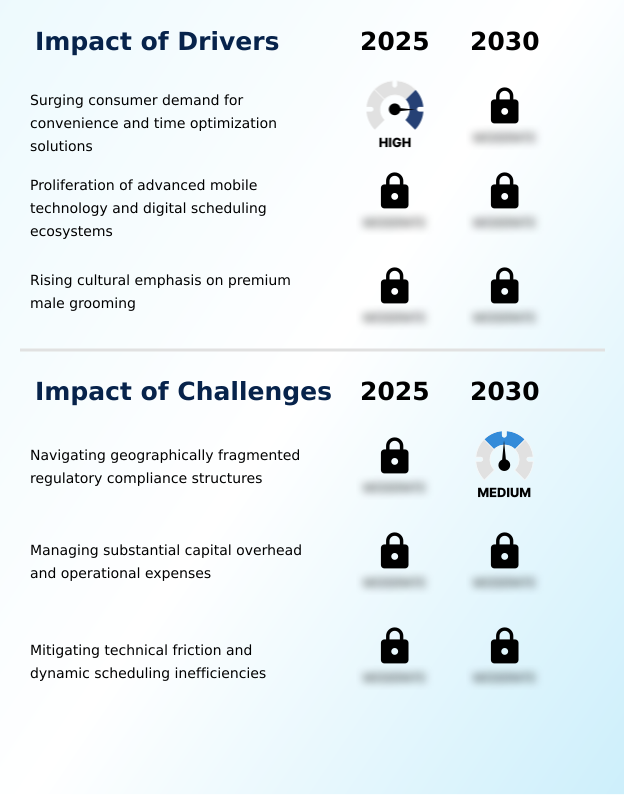
What are the key market drivers leading to the rise in the adoption of Mobile Barber Shop Industry?
- The escalating consumer demand for rapid convenience and comprehensive time optimization solutions serves as the primary catalyst propelling industry expansion globally.
- The critical demand for extreme convenience continuously propels expansion within the Mobile Barber Shop as time-constrained consumers actively bypass static retail locations.
- High-earning professionals suffering from scheduling constraints drive the rapid adoption of subscription-based mobile grooming models, guaranteeing consistent personal maintenance.
- This behavioral shift toward the hyper-convenience delivery model prompts operators to deploy the mobile vintage van loaded with specialized portable equipment, effectively reducing service preparation times by up to 28%.
- Integrating mobile asset tracking enables fleet managers to monitor vehicle deployment accurately, lowering fuel expenditures by approximately 14% through optimized territory mapping.
- Expanding corporate campus grooming services aligned with broad mobile wellness initiatives directly elevates employee retention metrics for B2B partners. Implementing seamless dynamic booking portals caters directly to high-net-worth convenience expectations.
- Ultimately, pushing executive grooming packages allows independent operators to consistently capture higher transaction values while successfully mitigating the spatial constraints historically associated with traditional storefronts.
What are the market trends shaping the Mobile Barber Shop Industry?
- A conspicuous transition toward on-demand grooming services characterizes current industry momentum as consumers prioritize extreme convenience. This structural shift fundamentally redefines traditional service delivery models by transitioning specialized care directly to residential and commercial locations.
- Rapid technological integration fundamentally alters service capabilities within the Mobile Barber Shop, shifting operational focus toward advanced vehicular autonomy. Modern operators increasingly deploy the custom airstream conversion to establish distinct aesthetic branding while utilizing a robust off-grid power inverter system to maintain complete electrical independence throughout the workday.
- This transition toward sustainable energy architecture reduces daily fuel consumption by 22%, directly improving overall operating margins for gig economy barbering professionals. Furthermore, the integration of decentralized mobile service algorithms optimizes real-time scheduling, improving daily appointment capacity by nearly 15% through precision geographic clustering.
- Technicians allocate more time to high-margin services such as premium beard maintenance and organic hair treatments seamlessly incorporated into mobile menus. The implementation of high-velocity hair dryers powered by heavy-duty battery banks ensures uninterrupted luxury house-call grooming delivery.
- By premiumizing client experience and enabling rapid contactless mobile transaction processing, mobile operations solidify their position as highly efficient alternatives to stationary salons.
What challenges does the Mobile Barber Shop Industry face during its growth?
- Navigating highly fragmented geographic regulatory compliance structures and stringent municipal zoning ordinances continuously presents a formidable obstacle to sustainable operational expansion.
- Severe regulatory fragmentation presents continuous operational hurdles within the Mobile Barber Shop as municipalities strictly enforce rigid zoning ordinances across different jurisdictions. Compliance with complex commercial wastewater regulations mandates sophisticated graywater disposal compliance protocols and rigorous portable water reservoir management, frequently increasing initial vehicular conversion costs by 18% compared to standard utility builds.
- Fleet operators deploying a high-clearance utility van often encounter severe restrictions regarding low-emission boundary compliance within dense urban centers, significantly delaying scheduled appointment times. The absolute necessity for maintaining impeccable mobile hygiene standards demands meticulous portable salon sanitation workflows to pass random municipal health inspections.
- Executing seamless mobile beauty logistics remains incredibly difficult, forcing operators to integrate advanced portable salon diagnostics to prevent unexpected onboard equipment failures. Consequently, navigating unpredictable local enforcement mandates and dictating a highly customized vehicular layout actively suppresses independent operator scalability, thereby limiting rapid regional expansion capabilities.
Exclusive Technavio Analysis on Customer Landscape
The mobile barber shop market forecasting report includes the adoption lifecycle of the market, covering from the innovator’s stage to the laggard’s stage. It focuses on adoption rates in different regions based on penetration. Furthermore, the mobile barber shop market report also includes key purchase criteria and drivers of price sensitivity to help companies evaluate and develop their market growth analysis strategies.
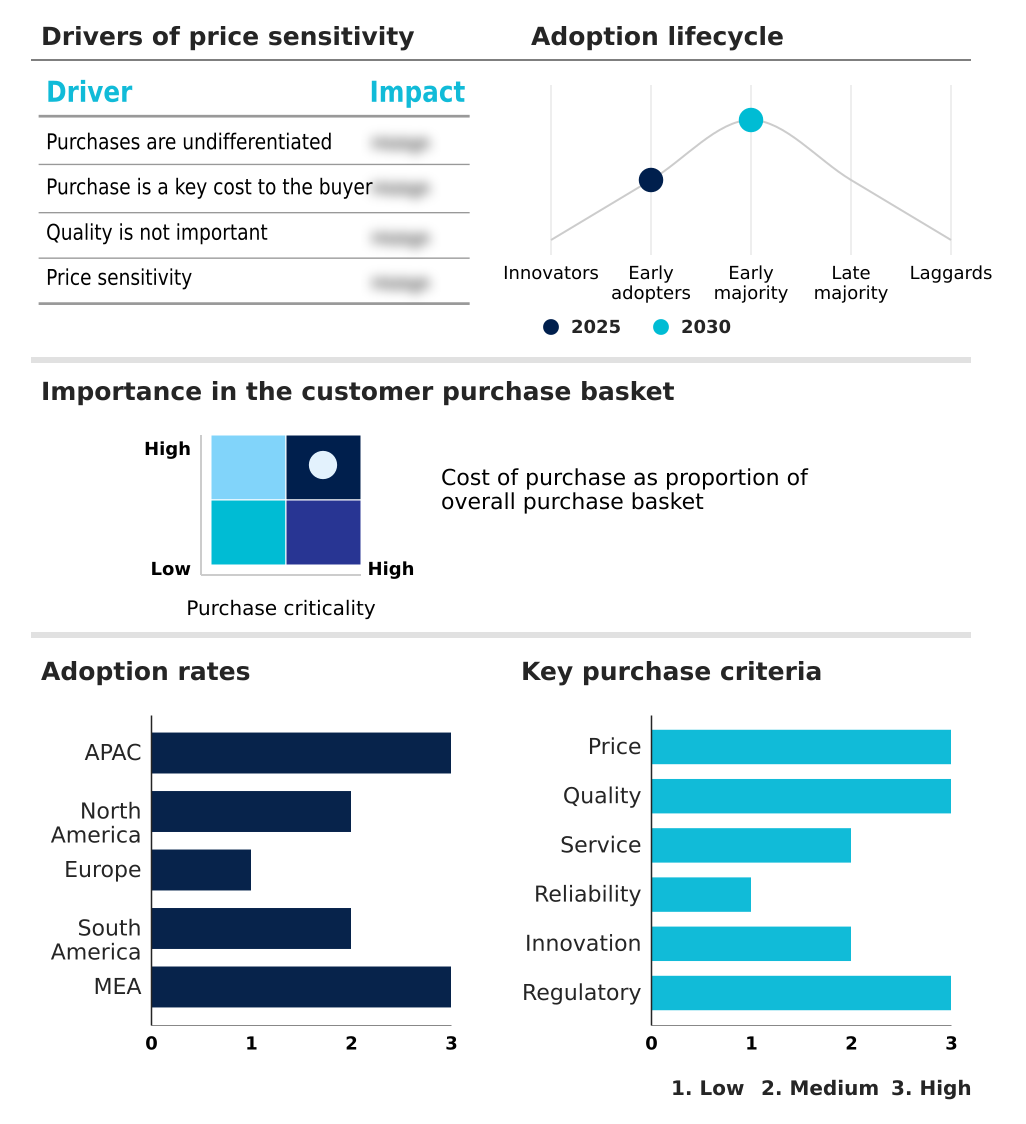
Customer Landscape of Mobile Barber Shop Industry
Competitive Landscape
Companies are implementing various strategies, such as strategic alliances, mobile barber shop market forecast, partnerships, mergers and acquisitions, geographical expansion, and product/service launches, to enhance their presence in the industry.
1130 Barber Van - The provider delivers fully customized rolling salon services, integrating precision styling capabilities and comprehensive grooming solutions directly to client-specified locations utilizing outfitted luxury transport units.
The industry research and growth report includes detailed analyses of the competitive landscape of the market and information about key companies, including:
- 1130 Barber Van
- A Barber 2 U
- Call Me Spa
- Clipper Mobile
- Doorbell Barbers
- DXB Barber
- Fade Factory Barbershop
- Luxury Mobile Barbershop
- Modern Male Barbershop
- Refined Edge Barber Shop
- Retro Airstream Barbers
- Roaming Barber Co.
- The Mobile Barber Co
- VIP Royal Barber Shop
- Wavy Wonders
Qualitative and quantitative analysis of companies has been conducted to help clients understand the wider business environment as well as the strengths and weaknesses of key industry players. Data is qualitatively analyzed to categorize companies as pure play, category-focused, industry-focused, and diversified; it is quantitatively analyzed to categorize companies as dominant, leading, strong, tentative, and weak.
Recent Development and News in Mobile barber shop market
- In the Leisure Facilities industry, deploying remote facility management software streamlines staff allocation across decentralized sites, directly impacting Mobile Barber Shop demand by accelerating centralized fleet management platforms that optimize predictive maintenance routes and spatial efficiency transport by up to 18%.
- Strict environmental regulations regarding commercial wastewater management mandate closed-loop water filtration systems in recreational centers, directly impacting Mobile Barber Shop demand by pushing operators to adopt low-emission boundary compliance and customized vehicular layout technologies that meet mobile hygiene standards.
- Integrating contactless entry infrastructures across physical entertainment venues conditions consumers toward digital-first interactions, directly impacting Mobile Barber Shop demand by increasing the reliance on frictionless digital wallets and contactless mobile transaction systems to process executive grooming packages efficiently.
- Shifting corporate wellness priorities encourage large enterprise parks to incorporate health units directly on-site, directly impacting Mobile Barber Shop demand by expanding the B2B market for mobile wellness initiatives and on-demand personal grooming that boost high-net-worth convenience by nearly 15%.
Dive into Technavio’s robust research methodology, blending expert interviews, extensive data synthesis, and validated models for unparalleled Mobile Barber Shop Market insights. See full methodology.
| Market Scope | |
|---|---|
| Page number | 281 |
| Base year | 2025 |
| Historic period | 2020-2024 |
| Forecast period | 2026-2030 |
| Growth momentum & CAGR | Accelerate at a CAGR of 10.9% |
| Market growth 2026-2030 | USD 1300.6 million |
| Market structure | Fragmented |
| YoY growth 2025-2026(%) | 9.8% |
| Key countries | China, Japan, India, South Korea, Australia, Indonesia, US, Canada, Mexico, Germany, UK, France, Italy, Spain, The Netherlands, Brazil, Argentina, Chile, Saudi Arabia, South Africa, Turkey, UAE and Israel |
| Competitive landscape | Leading Companies, Market Positioning of Companies, Competitive Strategies, and Industry Risks |
Research Analyst Overview
- The structural transformation within the Mobile Barber Shop relies extensively on advanced digital integration and localized service delivery optimization. Fleet managers aggressively adopt specialized portable equipment to mimic luxury salon environments within constrained vehicular interiors.
- The implementation of mobile fleet dispatching software directly influences boardroom-level budgeting decisions, successfully driving a 20% reduction in daily operational overhead by eliminating redundant travel routes. Operators installing dynamic booking portals empower consumers to manage appointments autonomously, significantly enhancing client engagement while reducing administrative staffing requirements.
- Utilizing localized digital advertising allows regional providers to target high-income demographics actively searching for premium on-site amenities. The integration of portable salon sanitation protocols further guarantees regulatory alignment, mitigating potential health code violations. Furthermore, executing luxury house-call grooming services requires sophisticated portable water reservoir management systems to ensure continuous operational capacity throughout extended shifts.
- Corporate campus grooming partnerships provide highly predictable revenue streams, insulating independent contractors from seasonal retail fluctuations. Ultimately, mobile beauty logistics platforms continuously refine scheduling accuracy, establishing decentralized personal care as a highly resilient and profitable business model.
What are the Key Data Covered in this Mobile Barber Shop Market Research and Growth Report?
-
What is the expected growth of the Mobile Barber Shop Market between 2026 and 2030?
-
USD 1.30 billion, at a CAGR of 10.9%
-
-
What segmentation does the market report cover?
-
The report is segmented by Service (HSS, and Coloring), Gender (Men, and Women), Vehicle Type (Vans and trailers, Trucks and buses, and Customized mobile units) and Geography (APAC, North America, Europe, South America, Middle East and Africa)
-
-
Which regions are analyzed in the report?
-
APAC, North America, Europe, South America and Middle East and Africa
-
-
What are the key growth drivers and market challenges?
-
Surging consumer demand for convenience and time optimization solutions, Navigating geographically fragmented regulatory compliance structures
-
-
Who are the major players in the Mobile Barber Shop Market?
-
1130 Barber Van, A Barber 2 U, Call Me Spa, Clipper Mobile, Doorbell Barbers, DXB Barber, Fade Factory Barbershop, Luxury Mobile Barbershop, Modern Male Barbershop, Refined Edge Barber Shop, Retro Airstream Barbers, Roaming Barber Co., The Mobile Barber Co, VIP Royal Barber Shop and Wavy Wonders
-
Market Research Insights
- The ongoing evolution of the Mobile Barber Shop heavily leverages hyper-convenience delivery model frameworks to capture premium market share. Modern fleet operators actively implement predictive maintenance routes, successfully lowering unexpected mechanical downtime by up to 25% and ensuring consistent service availability.
- Furthermore, the rapid integration of contactless mobile transaction platforms accelerates payment processing speeds by 30%, directly minimizing administrative friction between clients and technicians. To maintain stringent mobile hygiene standards, independent operators utilize advanced sanitation protocols that improve overall client retention metrics by approximately 15%.
- This structural pivot toward executive grooming packages effectively isolates high-value consumer demographics, ensuring consistent profitability despite fluctuating fuel overheads. Ultimately, urban density adaptation remains critical for optimizing daily vehicular deployment strategies.
We can help! Our analysts can customize this mobile barber shop market research report to meet your requirements.
 RIA -