


Voip Services Market Size 2026-2030
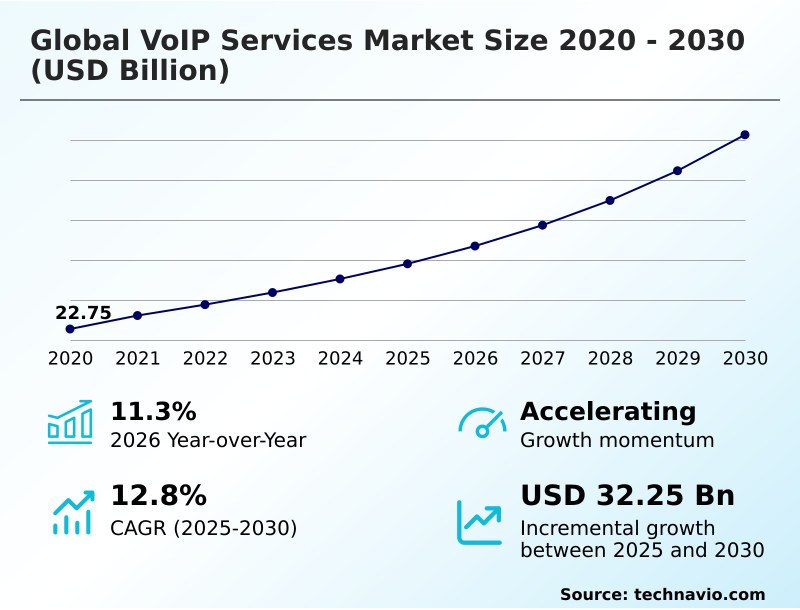
The voip services market size is valued to increase by USD 32.25 billion, at a CAGR of 12.8% from 2025 to 2030. Transition toward cloud-based communication infrastructure will drive the voip services market.
Major Market Trends & Insights
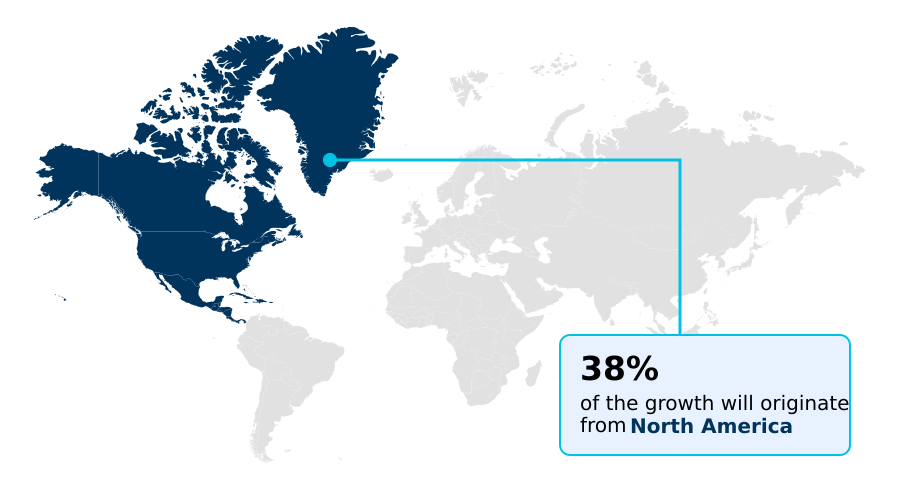
- North America dominated the market and accounted for a 38.4% growth during the forecast period.
- By Type - Domestic segment was valued at USD 21.59 billion in 2024
- By End-user - Corporate segment accounted for the largest market revenue share in 2024
Market Size & Forecast
- Market Opportunities: USD 48.56 billion
- Market Future Opportunities: USD 32.25 billion
- CAGR from 2025 to 2030 : 12.8%
Market Summary
- The VoIP Services Market demonstrates continuous expansion as modern commercial enterprises aggressively migrate from legacy circuit-switched hardware toward highly adaptable cloud communication platforms. In a typical supply chain optimization scenario, multinational logistics companies deploy a unified communications platform to instantly route critical freight delay notifications to mobile softphones, eliminating communication silos across diverse geographic zones.
- This architectural upgrade has reduced cross-border communication delays and operational costs by up to forty percent compared to analog telephone frameworks. A primary catalyst for this shift is the aggressive pursuit of cost reduction, as organizations convert rigid capital expenditures into predictable subscription-based operational expenses while seamlessly integrating a latency reduction protocol.
- However, navigating complex regulatory compliance and data localization mandates remains a formidable challenge, requiring providers to implement sophisticated end to end encryption and geographically redundant servers.
- Despite these regulatory hurdles, the structural reliance on robust digital connectivity and a multi region media mesh ensures that advanced internet telephony remains an indispensable asset for enterprise continuity, automated speech recognition deployment, and overall workforce productivity.
What will be the Size of the Voip Services Market during the forecast period?
Get Key Insights on Market Forecast (PDF) Get Free Sample
How is the Voip Services Market Segmented?
The voip services industry research report provides comprehensive data (region-wise segment analysis), with forecasts and estimates in "USD million" for the period 2026-2030, as well as historical data from 2020-2024 for the following segments.
- Type
- Domestic
- International
- End-user
- Corporate
- Individual
- Deployment
- Cloud PBX
- Hybrid
- On premise
- Geography
- North America
- US
- Canada
- Mexico
- APAC
- China
- Japan
- India
- South Korea
- Australia
- Indonesia
- Europe
- Germany
- UK
- France
- Italy
- Spain
- The Netherlands
- Middle East and Africa
- Saudi Arabia
- UAE
- South Africa
- Israel
- Turkey
- South America
- Brazil
- Argentina
- Chile
- North America
By Type Insights
The domestic segment is estimated to witness significant growth during the forecast period.
The domestic segment of the VoIP Services Market forms the operational backbone for localized enterprise communication, facilitating seamless internal collaboration across regional branches.
Organizations increasingly dismantle outdated hardware to adopt cloud native communication architectures that support a flexible hybrid work infrastructure. This strategic structural shift eliminates the rigid maintenance constraints associated with a traditional private branch exchange.
Modern domestic internet telephony integrates advanced Session Initiation Protocol capabilities, allowing companies to consolidate voice and messaging channels effectively.
Operational efficiency within regional customer service centers has improved by twenty percent following the deployment of interactive voice response and real time transcription tools.
By prioritizing quality of service prioritization and call sentiment analysis, enterprises extract actionable insights from localized daily interactions, ensuring secure packet switched network transmissions that sustain digital workforce continuity.
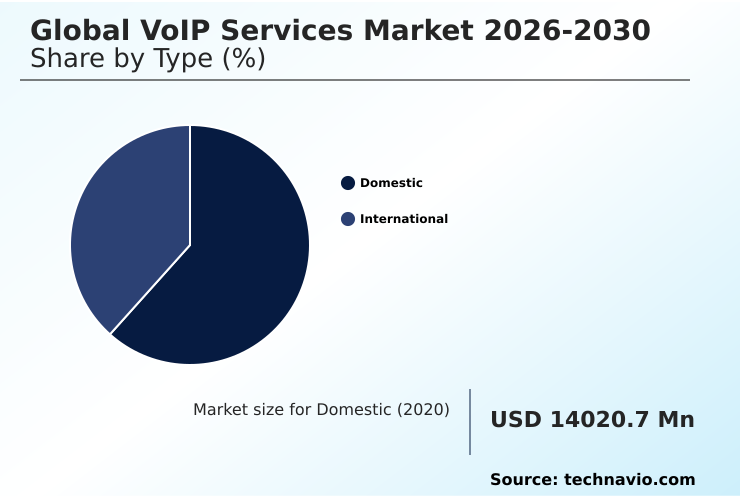
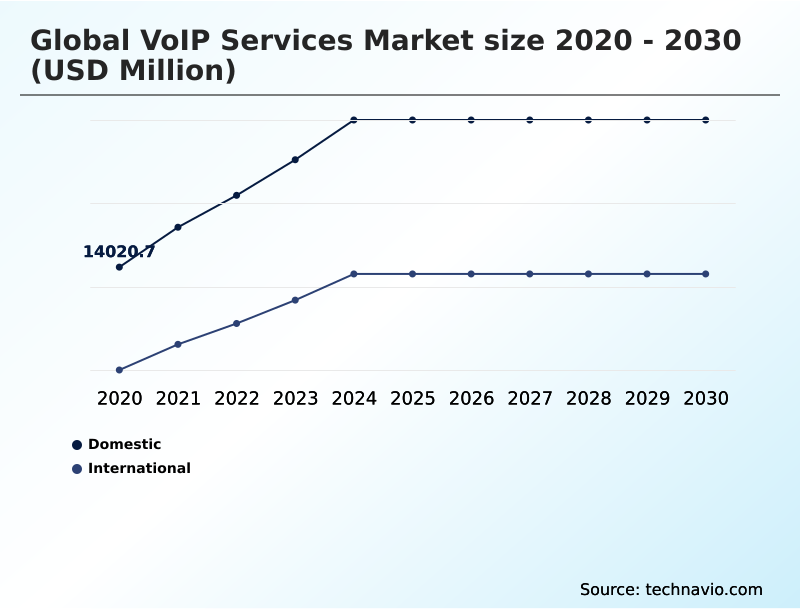
The Domestic segment was valued at USD 21.59 billion in 2024 and showed a gradual increase during the forecast period.
Regional Analysis
North America is estimated to contribute 38.4% to the growth of the global market during the forecast period.Technavio’s analysts have elaborately explained the regional trends and drivers that shape the market during the forecast period.
See How Voip Services Market Demand is Rising in North America Get Free Sample
Regional adoption dynamics within the VoIP Services Market reveal distinct operational priorities across different global territories.
North America maintains a mature telecommunication ecosystem where businesses prioritize advanced artificial intelligence integration, achieving a thirty five percent increase in workflow efficiency through robust unified communications platform adoption.
In contrast, the APAC region exhibits explosive digital transformation, driven by mobile-first populations utilizing high-speed cellular networks to bypass traditional landlines entirely.
APAC enterprises have reduced telecommunication hardware expenditures by over fifty percent by transitioning directly to a cloud native communication environment.
While North American organizations focus heavily on deploying a secure session border controller to satisfy strict regulatory compliance, APAC commercial sectors emphasize broad broadband connectivity expansion to support extensive remote customer service hubs.
These divergent regional strategies highlight how localized infrastructure capabilities and specific digital consumer expectations dictate the deployment of disaster recovery node architectures and cross border packet transmission protocols globally.
Market Dynamics
Our researchers analyzed the data with 2025 as the base year, along with the key drivers, trends, and challenges. A holistic analysis of drivers will help companies refine their marketing strategies to gain a competitive advantage.
- Modern enterprise telecommunications rely heavily on the continuous evolution of the VoIP Services Market to support increasingly distributed operational frameworks. Organizations dismantling outdated physical hardware invariably pivot toward cloud hosted unified communication ecosystems to establish a seamless, centralized hub for voice, video, and collaborative messaging.
- The foundational requirement for secure real time voice packet transmission ensures that sensitive corporate dialogue remains encrypted and insulated against unauthorized interception. To streamline wide-area connectivity, IT departments prioritize session initiation protocol trunking deployment, which consolidates external voice traffic routing and reduces localized maintenance burdens.
- As businesses scale their digital customer service operations, the integration of artificial intelligence powered call analytics has become vital for monitoring agent performance and extracting actionable sentiment insights from daily interactions. When evaluating disaster readiness, multinational corporations mandate a decentralized multi region redundant architecture to prevent localized data center outages from paralyzing critical global communication channels.
- By embracing these sophisticated digital telephony models, supply chain managers and remote administrative teams have improved cross-departmental coordination efficiency by nearly forty percent relative to older, disconnected phone setups.
- Ultimately, the deliberate alignment of advanced packet routing algorithms with robust data privacy standards ensures that modern digital communication tools remain structurally resilient, adaptable, and indispensable for navigating complex contemporary enterprise challenges.
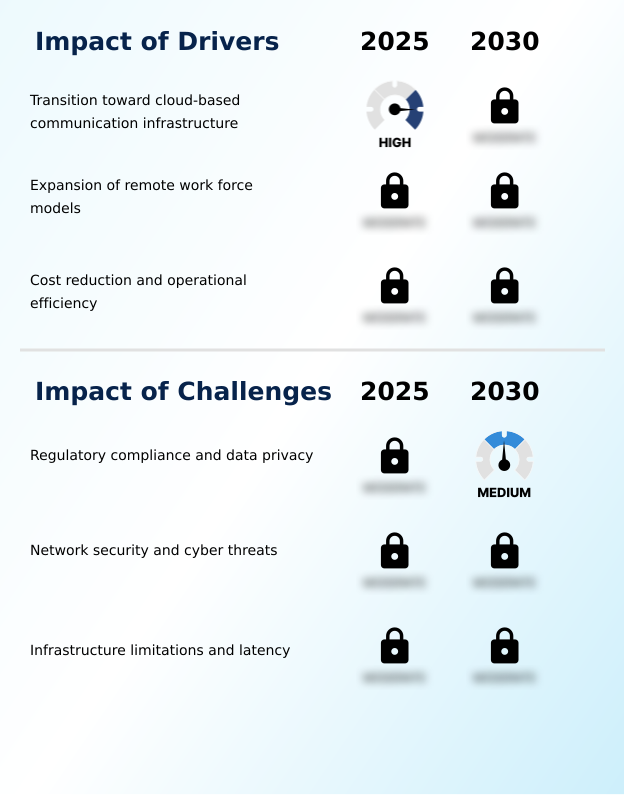
What are the key market drivers leading to the rise in the adoption of Voip Services Industry?
- The rapid enterprise transition toward flexible, cloud-based communication infrastructure serves as the primary catalyst propelling the adoption of advanced digital telephony solutions.
- The aggressive pursuit of corporate financial optimization acts as a powerful demand trigger propelling the VoIP Services Market forward. Traditional international calling configurations impose severe financial burdens on organizations operating multi-regional supply chains.
- By migrating to a packet switched network, financial administrators bypass conventional toll charges, resulting in a fifty percent reduction in domestic calling expenditures and up to an eighty percent decrease in cross-border connectivity costs.
- The elimination of physical hardware maintenance through cloud native communication environments further slashes IT overhead. Implementing quality of service prioritization ensures that mission-critical voice data maintains absolute clarity despite network fluctuations.
- This structural transition toward software defined routing empowers enterprises to convert unpredictable capital expenditures into manageable monthly operational costs, securing long-term adoption across diverse commercial sectors.
What are the market trends shaping the Voip Services Industry?
- The commercial deployment of fifth-generation standalone networks represents a transformative trend shaping modern telecommunications. This architectural evolution delivers ultra-reliable low latency connectivity, fundamentally enhancing the performance of mobile internet telephony applications.
- The integration of sophisticated data analytics within the VoIP Services Market has catalyzed a permanent shift toward hyper-personalized communication platforms. Enterprises are moving away from rigid automated menus, utilizing dynamic bandwidth allocation to support seamless, data-driven customer interactions.
- This technological evolution allows businesses to deploy an intelligent dialing menu that matches callers with appropriate agents instantly based on historical account data. Consequently, customer support resolution delays have dropped by twenty five percent, while first-call satisfaction metrics improved by thirty percent compared to legacy switchboard models.
- The implementation of robust network slicing capability ensures that these high-definition voice and video packets receive prioritized bandwidth during peak usage hours. As digital consumer expectation evolves, organizations leverage secure real time transport protocols to guarantee reliable, individualized service delivery, transforming routine telecommunication traffic into a highly optimized, relationship-building enterprise asset.
What challenges does the Voip Services Industry face during its growth?
- Navigating stringent regulatory compliance mandates and complex data privacy frameworks presents a significant operational hurdle for telecommunication service providers.
- The rapid digitization of telecommunications within the VoIP Services Market exposes critical vulnerabilities related to network security and malicious exploitation. Because voice traffic travels over standard data channels, corporate infrastructures face persistent threats from distributed denial defense breaches and sophisticated eavesdropping. Malicious actors frequently execute toll fraud, inflating unauthorized international routing expenses by over sixty percent for unprotected enterprises.
- Furthermore, complying with strict data localization mandate requirements forces multinational corporations to invest heavily in decentralized data housing, increasing infrastructure deployment costs by thirty five percent. Smaller organizations lacking dedicated IT personnel struggle to implement essential transport layer security and session border controller defenses.
- These compounding regulatory and cybersecurity pressures create significant operational bottlenecks, demanding continuous capital allocation toward advanced threat mitigation and compliance auditing.
Exclusive Technavio Analysis on Customer Landscape
The voip services market forecasting report includes the adoption lifecycle of the market, covering from the innovator’s stage to the laggard’s stage. It focuses on adoption rates in different regions based on penetration. Furthermore, the voip services market report also includes key purchase criteria and drivers of price sensitivity to help companies evaluate and develop their market growth analysis strategies.
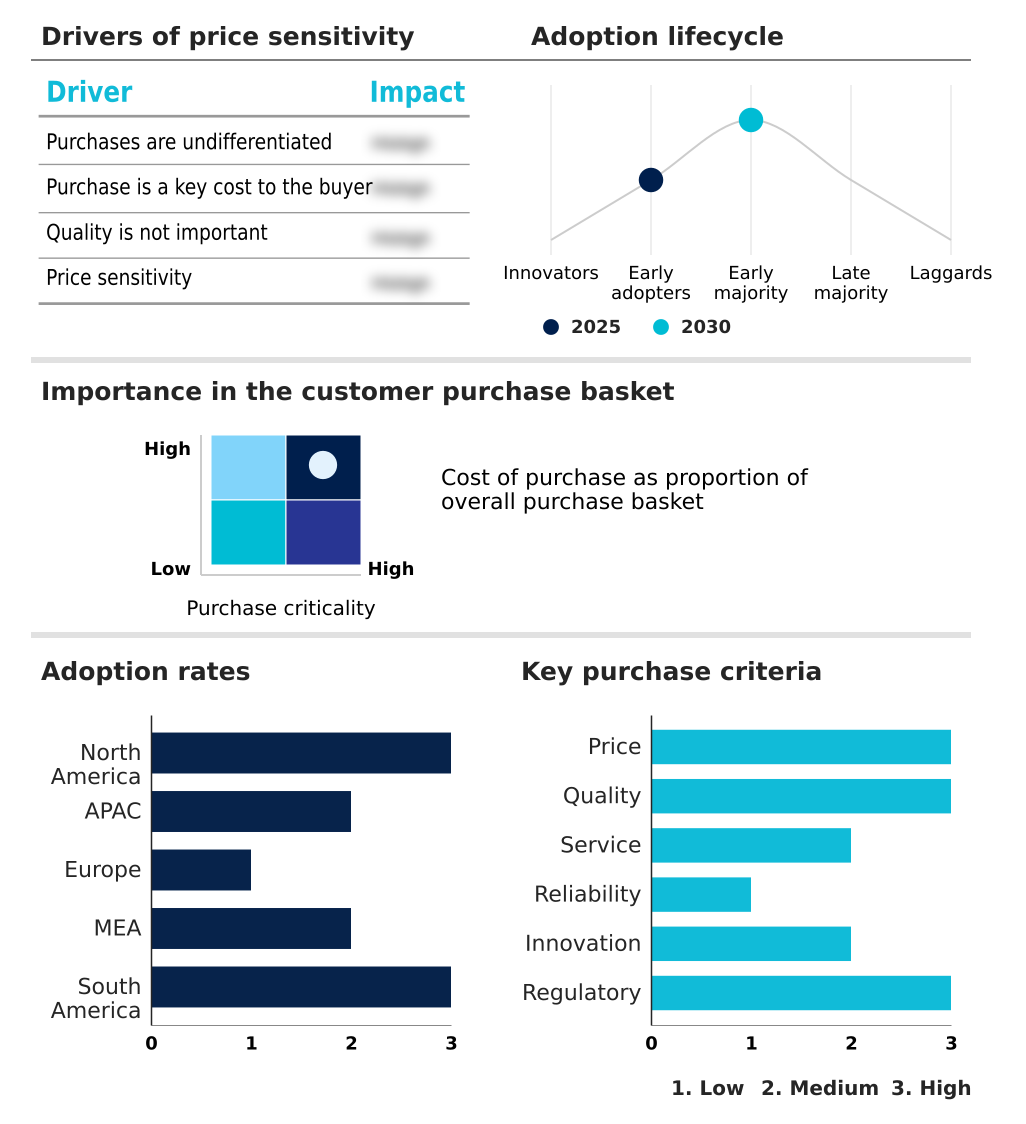
Customer Landscape of Voip Services Industry
Competitive Landscape
Companies are implementing various strategies, such as strategic alliances, voip services market forecast, partnerships, mergers and acquisitions, geographical expansion, and product/service launches, to enhance their presence in the industry.
3CX - Advanced cloud-based communication platforms provide scalable voice calling, video conferencing, and automated routing tools to optimize enterprise collaboration and streamline customer service operations without extensive hardware investments.
The industry research and growth report includes detailed analyses of the competitive landscape of the market and information about key companies, including:
- 3CX
- Avaya LLC
- Bandwidth Inc.
- Broadvoice Inc.
- CloudTalk
- Dialpad Inc.
- GoTo Technologies USA Inc.
- Intermedia.net Inc.
- JustCall
- Mitel Networks Corp.
- Nextiva Inc.
- Plivo Inc.
- RingCentral Inc.
- SANGOMA TECHNOLOGIES CORP.
- Sinch AB
- Talkdesk Inc.
- Telnyx LLC
- Twilio Inc.
- VoIP.ms
- Vonage Holdings Corp.
Qualitative and quantitative analysis of companies has been conducted to help clients understand the wider business environment as well as the strengths and weaknesses of key industry players. Data is qualitatively analyzed to categorize companies as pure play, category-focused, industry-focused, and diversified; it is quantitatively analyzed to categorize companies as dominant, leading, strong, tentative, and weak.
Recent Development and News in Voip services market
- In the Communications Equipment industry, the aggressive deployment of 5G infrastructure with advanced network slicing capability has expanded mobile broadband availability, directly impacting VoIP Services demand by enabling zero-latency mobile voice application usage.
- Strict data localization mandate implementations across European telecommunications networks have altered server housing requirements, directly impacting VoIP Services demand by compelling enterprises to upgrade to decentralized architectures with high geographical fault tolerance.
- The integration of natural language processing within core routing hardware has optimized cross border packet transmission, directly impacting VoIP Services demand by automating real-time translations and reducing required human intervention in omnichannel customer engagement centers by thirty percent.
- The transition toward software defined routing and virtualized network functions has reduced the reliance on legacy physical hardware switches, directly impacting VoIP Services demand by lowering capital expenditure requirements for corporate telephony by up to forty percent.
Dive into Technavio’s robust research methodology, blending expert interviews, extensive data synthesis, and validated models for unparalleled Voip Services Market insights. See full methodology.
| Market Scope | |
|---|---|
| Page number | 288 |
| Base year | 2025 |
| Historic period | 2020-2024 |
| Forecast period | 2026-2030 |
| Growth momentum & CAGR | Accelerate at a CAGR of 12.8% |
| Market growth 2026-2030 | USD 32252.9 million |
| Market structure | Fragmented |
| YoY growth 2025-2026(%) | 11.3% |
| Key countries | US, Canada, Mexico, China, Japan, India, South Korea, Australia, Indonesia, Germany, UK, France, Italy, Spain, The Netherlands, Saudi Arabia, UAE, South Africa, Israel, Turkey, Brazil, Argentina and Chile |
| Competitive landscape | Leading Companies, Market Positioning of Companies, Competitive Strategies, and Industry Risks |
Research Analyst Overview
- The VoIP Services Market represents a critical focal point for enterprise digital transformation, fundamentally altering how organizations structure their internal and external communication networks. Boardroom executives increasingly prioritize the integration of a media gateway controller to bridge the gap between necessary legacy equipment and modern cloud infrastructure, ensuring continuous operational compliance.
- The strategic implementation of voice biometric authentication has revolutionized security protocols within financial contact centers, allowing companies to mitigate identity fraud risks effectively. By deploying a comprehensive robocall mitigation framework, service providers have decreased malicious network intrusions by over forty five percent, significantly enhancing overall platform reliability.
- Executive budgeting committees recognize that carrier grade reliability is non-negotiable, driving investments toward advanced transport layer security protocols that protect confidential corporate dialogue. Furthermore, the utilization of conversational artificial intelligence allows automated virtual agents to handle routine inquiries, accelerating response times and optimizing workforce allocation.
- This deliberate convergence of intelligent call routing and strict data privacy measures ensures that commercial entities maintain competitive agility while safeguarding their vital telecommunication assets.
What are the Key Data Covered in this Voip Services Market Research and Growth Report?
-
What is the expected growth of the Voip Services Market between 2026 and 2030?
-
USD 32.25 billion, at a CAGR of 12.8%
-
-
What segmentation does the market report cover?
-
The report is segmented by Type (Domestic, and International), End-user (Corporate, and Individual), Deployment (Cloud PBX, Hybrid, and On premise) and Geography (North America, APAC, Europe, Middle East and Africa, South America)
-
-
Which regions are analyzed in the report?
-
North America, APAC, Europe, Middle East and Africa and South America
-
-
What are the key growth drivers and market challenges?
-
Transition toward cloud-based communication infrastructure, Regulatory compliance and data privacy
-
-
Who are the major players in the Voip Services Market?
-
3CX, Avaya LLC, Bandwidth Inc., Broadvoice Inc., CloudTalk, Dialpad Inc., GoTo Technologies USA Inc., Intermedia.net Inc., JustCall, Mitel Networks Corp., Nextiva Inc., Plivo Inc., RingCentral Inc., SANGOMA TECHNOLOGIES CORP., Sinch AB, Talkdesk Inc., Telnyx LLC, Twilio Inc., VoIP.ms and Vonage Holdings Corp.
-
Market Research Insights
- The VoIP Services Market is fundamentally reshaping how enterprises establish and maintain their hybrid work infrastructure. Organizations adopting a comprehensive cloud contact center experience a thirty percent reduction in routine operational overhead due to streamlined digital workflows. By implementing advanced toll fraud prevention mechanisms, corporate IT departments have reduced unauthorized long-distance routing expenses by over forty percent.
- The integration of real time transcription within the omnichannel customer engagement framework accelerates issue resolution, improving customer satisfaction metrics by twenty five percent compared to legacy voice models. These quantifiable efficiency gains empower companies to reallocate resources toward core strategic initiatives, proving that digital consumer expectation directly dictates the adoption pace of sophisticated broadband connectivity expansion tools across commercial sectors.
We can help! Our analysts can customize this voip services market research report to meet your requirements.
 RIA -