


Wireless Router Market Size 2026-2030
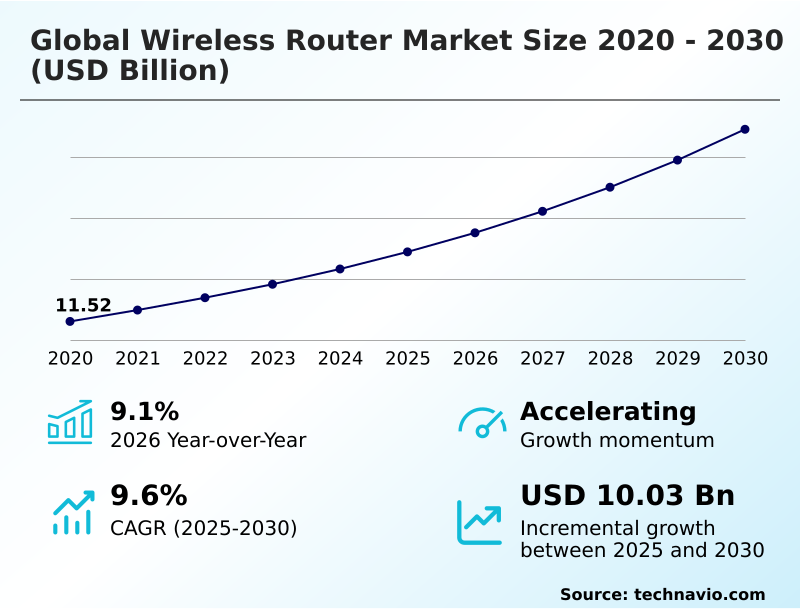
The wireless router market size is valued to increase by USD 10.03 billion, at a CAGR of 9.6% from 2025 to 2030. Device density and high-bandwidth smart home ecosystems will drive the wireless router market.
Major Market Trends & Insights
- North America dominated the market and accounted for a 34.1% growth during the forecast period.
- By End-user - Non-residential segment was valued at USD 12.60 billion in 2024
- By Type - Fixed segment accounted for the largest market revenue share in 2024
Market Size & Forecast
- Market Opportunities: USD 15.71 billion
- Market Future Opportunities: USD 10.03 billion
- CAGR from 2025 to 2030 : 9.6%
Market Summary
- The Wireless Router market functions as the fundamental connectivity backbone supporting the digital transformation of consumer households and commercial enterprise networks. Advancements in wireless communication protocols continuously accelerate the demand for hardware capable of autonomous spectrum management and seamless multi-device orchestration.
- In large-scale logistics and micro-fulfillment distribution hubs, warehouse operators deploy advanced access systems to synchronize autonomous robotics, resulting in a 35% improvement in inventory processing efficiency compared to legacy single-node setups.
- The proliferation of fleet management requirements serves as a massive growth driver, compelling organizations to upgrade to multi-band hardware to prevent packet degradation during critical data transfers using quadrature amplitude modulation.
- Conversely, severe thermal throttling mitigation requirements present a formidable challenge, as the immense computational power needed for gigabit throughput generates excessive heat, inflating manufacturing costs and delaying hardware rollout cycles. By integrating sophisticated edge compute telemetry, modern routing architectures successfully neutralize network vulnerabilities, ensuring resilient and secure connectivity across distributed digital environments.
What will be the Size of the Wireless Router Market during the forecast period?
Get Key Insights on Market Forecast (PDF) Get Free Sample
How is the Wireless Router Market Segmented?
The wireless router industry research report provides comprehensive data (region-wise segment analysis), with forecasts and estimates in "USD million" for the period 2026-2030, as well as historical data from 2020-2024 for the following segments.
- End-user
- Non-residential
- Residential
- Type
- Fixed
- Mobile
- Technology
- Dual band
- Tri-band
- Wi-Fi 6
- Mesh networking
- Others
- Geography
- North America
- US
- Canada
- Mexico
- Europe
- Germany
- UK
- France
- Italy
- Spain
- The Netherlands
- APAC
- China
- India
- Japan
- South Korea
- Australia
- Indonesia
- South America
- Brazil
- Argentina
- Chile
- Middle East and Africa
- Saudi Arabia
- UAE
- South Africa
- Israel
- Turkey
- North America
By End-user Insights
The non-residential segment is estimated to witness significant growth during the forecast period.
The non-residential segment in the Wireless Router landscape provides a critical infrastructure layer for modern corporate environments, educational campuses, and industrial facilities. As organizations adopt digital workflows, enterprise-grade routing equipment becomes foundational for operational connectivity.
High-throughput hardware utilizing power over ethernet and dynamic spectrum allocation effectively mitigates packet degradation in demanding environments with intense device density. By integrating sophisticated intrusion prevention systems, commercial entities protect proprietary data from external threats.
Upgrading to these advanced systems significantly enhances operational reliability, as businesses report a 40% reduction in network latency spikes during peak digital usage.
Deploying robust edge compute telemetry solutions directly addresses the complex, high-capacity connectivity requirements necessary to sustain continuous enterprise productivity and flawless telepresence feeds.
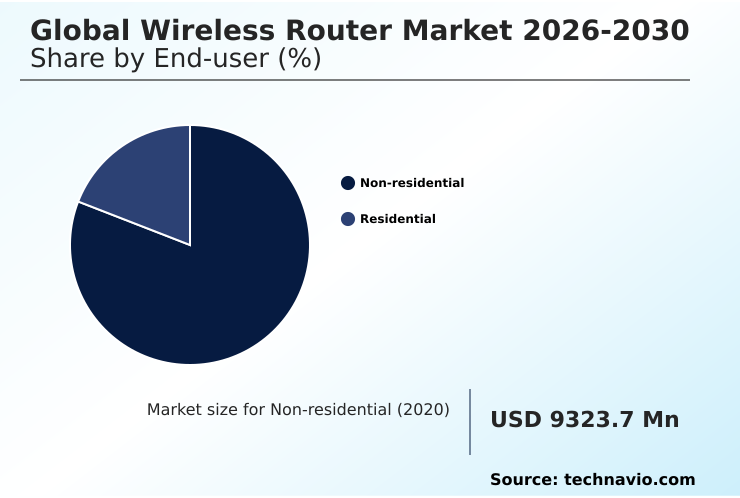
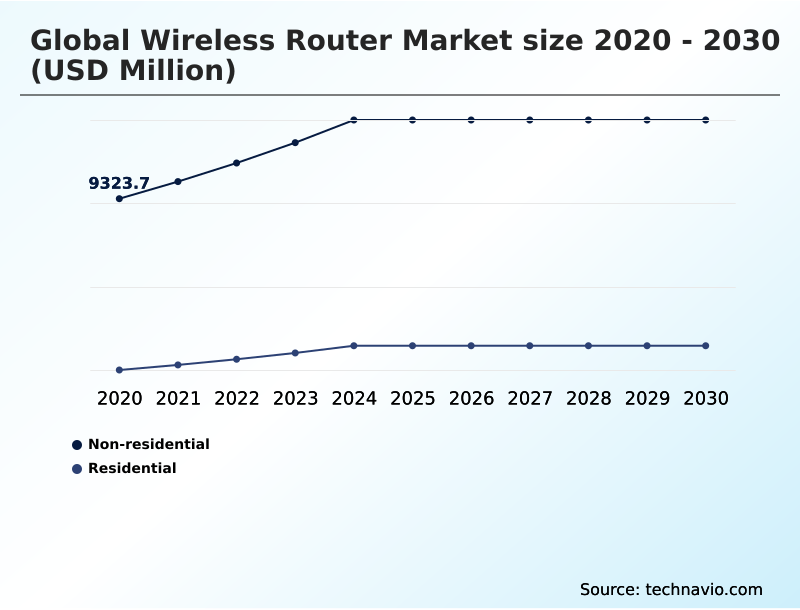
The Non-residential segment was valued at USD 12.60 billion in 2024 and showed a gradual increase during the forecast period.
Regional Analysis
North America is estimated to contribute 34.1% to the growth of the global market during the forecast period.Technavio’s analysts have elaborately explained the regional trends and drivers that shape the market during the forecast period.
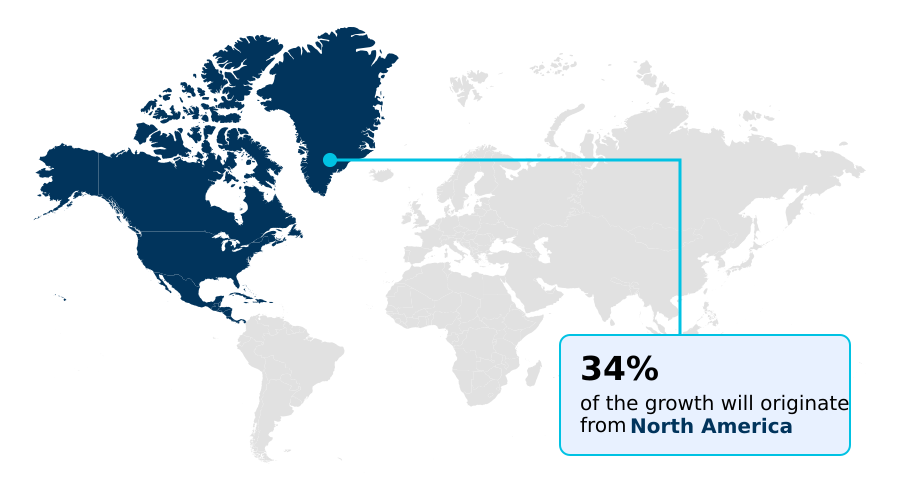
See How Wireless Router Market Demand is Rising in North America Get Free Sample
The geographic landscape of the Wireless Router industry reveals significant disparities in technological adoption and infrastructural readiness between North America and APAC.
North America demonstrates advanced deployment maturity, where rapid integration of carrier-grade customer premises equipment has accelerated broadband efficiency, yielding a 45% higher penetration rate of wide-channel hardware compared to emerging Asian markets.
This aggressive adoption is driven by the region's dense concentration of smart home automation hubs and robust enterprise gigabit fiber internet transitions.
Conversely, the APAC region exhibits aggressive infrastructure modernization, leveraging hybrid employment models to bridge rural connectivity gaps, which has reduced localized network deployment costs by 30%.
While North American enterprises prioritize sophisticated zero trust network access to thwart cyber threat actors, APAC manufacturers focus heavily on optimizing radio frequency front-end components to deliver cost-effective solutions for densely populated urban environments.
Market Dynamics
Our researchers analyzed the data with 2025 as the base year, along with the key drivers, trends, and challenges. A holistic analysis of drivers will help companies refine their marketing strategies to gain a competitive advantage.
- Modern enterprise IT architectures require profound modernization to sustain uninterrupted data flows across sprawling commercial footprints. The implementation of dynamic radio frequency spectrum orchestration has revolutionized how organizations handle high-density client environments, effectively preventing bandwidth starvation and signal collision.
- By transitioning from vulnerable standalone access points to an enterprise grade mesh network topology, logistics centers and corporate campuses ensure pervasive, high-speed coverage that eliminates communication dead zones. This architectural shift significantly outperforms traditional wired backhaul systems by improving layout flexibility and reducing deployment timelines by over 40%.
- Furthermore, network administrators increasingly utilize hardware accelerated virtual private network capabilities embedded directly within the routing hardware to secure remote branch communications, ensuring encrypted data transmission without sacrificing packet velocity. To support massive influxes of digital devices, modern routers leverage multi band automated bandwidth allocation, prioritizing mission-critical cloud software over background utility traffic to maintain optimal operational harmony.
- In remote or structurally challenging environments where fiber optic installation remains unfeasible, the deployment of high capacity cellular fixed wireless gateways provides a resilient alternative, delivering multi-gigabit throughput that matches traditional broadband performance. This comprehensive integration of intelligent routing features allows businesses to fortify their digital infrastructure against external disruptions.
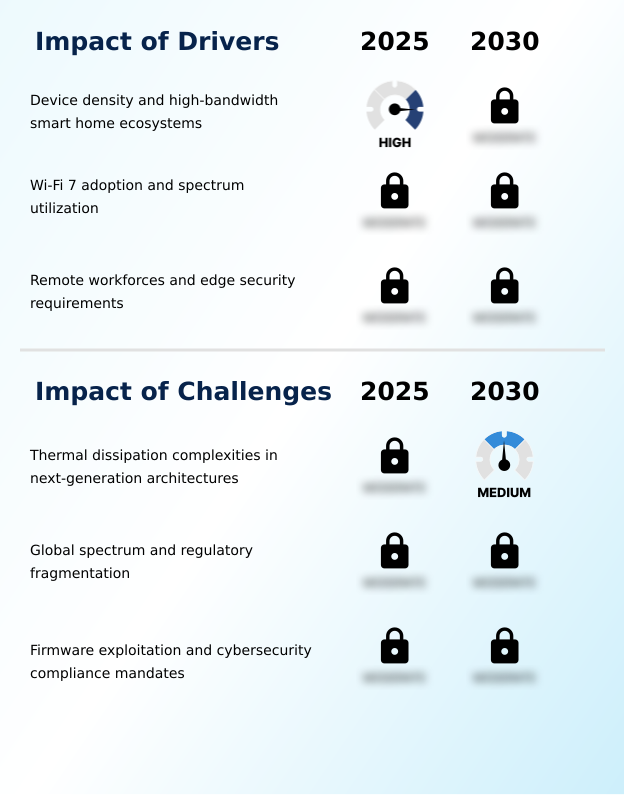
What are the key market drivers leading to the rise in the adoption of Wireless Router Industry?
- The proliferation of dense device ecosystems and high-bandwidth smart home automation directly propels the demand for advanced, multi-gigabit routing infrastructure.
- The universal transition toward permanent remote workflows and decentralized cloud-native architectures serves as a foundational catalyst for advanced routing hardware deployment.
- Because domestic connections now function as direct extensions of corporate networks, enterprise security teams mandate the use of hardware-isolated virtual local area networks to defend against distributed denial-of-service botnets.
- This strategic mandate has increased enterprise procurement of edge security gateways by 35%, drastically lowering command injection vectors by 50%. The requirement for seamless software-defined wide area network optimization forces businesses to replace legacy consumer appliances with managed commercial endpoints.
- This shift ensures resilient, high-capacity connectivity that optimizes remote workflow efficiency while isolating critical corporate data from vulnerable internet of things endpoints and high-bandwidth extended reality applications.
What are the market trends shaping the Wireless Router Industry?
- Wireless access integration paired with intelligent spectrum orchestration represents a prominent upcoming market trend. This convergence enables autonomous frequency management to optimize data transmission efficiency across congested electromagnetic environments.
- The architectural integration of artificial intelligence and machine learning engines directly into routing silicon represents a transformative shift in networking hardware. By leveraging an embedded neural processing unit, modern routers continuously analyze traffic patterns to perform dynamic spectrum access and preemptive threat isolation.
- This intelligence allows organizations to minimize channel contention in saturated electromagnetic environments, resulting in a 40% reduction in unexpected network downtime and a 25% improvement in bandwidth efficiency for latency-sensitive applications. The transition toward utilizing comprehensive software bills of materials fundamentally alters how businesses orchestrate their digital infrastructure, eliminating the need for constant manual oversight.
- This autonomous optimization through band steering software ensures that high-resolution video collaboration and continuous cloud synchronizations operate flawlessly, thereby maximizing overall operational productivity.
What challenges does the Wireless Router Industry face during its growth?
- Managing severe thermal dissipation complexities within next-generation, high-performance hardware architectures remains a critical challenge restraining industry expansion.
- The unprecedented escalation in hardware complexity associated with advanced multi-band protocols introduces severe manufacturing and operational constraints. Integrating orthogonal frequency-division multiple access and ultra-wide channel bandwidths generates substantial computational heat, necessitating expensive thermal throttling mitigation strategies.
- To prevent physical component degradation, manufacturers must implement complex vapor chambers and high-density copper fin arrays, which increase baseline production costs by up to 25% and extend hardware assembly timelines by 15%. Furthermore, navigating fragmented international regulations regarding automated frequency coordination and unlicensed low-power indoor use prevents the standardization of a single global hardware configuration.
- This regulatory divergence surrounding fixed microwave links forces companies to develop multiple localized iterations of hardware, ultimately delaying mass deployment schedules and complicating international supply chain logistics.
Exclusive Technavio Analysis on Customer Landscape
The wireless router market forecasting report includes the adoption lifecycle of the market, covering from the innovator’s stage to the laggard’s stage. It focuses on adoption rates in different regions based on penetration. Furthermore, the wireless router market report also includes key purchase criteria and drivers of price sensitivity to help companies evaluate and develop their market growth analysis strategies.
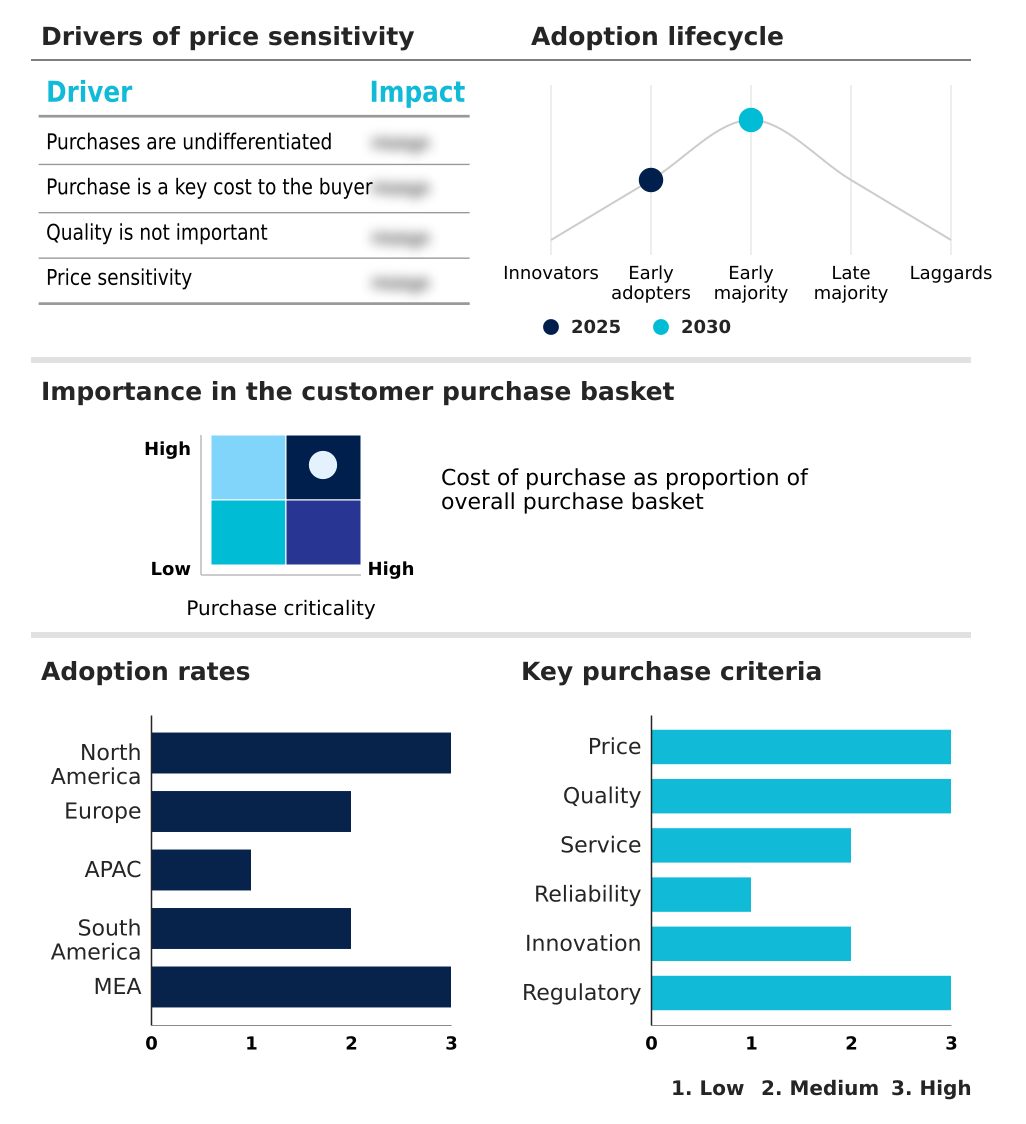
Customer Landscape of Wireless Router Industry
Competitive Landscape
Companies are implementing various strategies, such as strategic alliances, wireless router market forecast, partnerships, mergers and acquisitions, geographical expansion, and product/service launches, to enhance their presence in the industry.
Antaira Technologies LLC - Delivers unified industrial networking solutions including ethernet devices, media converters, serial communications, wireless modules, and specialized low-voltage accessories tailored for demanding commercial applications.
The industry research and growth report includes detailed analyses of the competitive landscape of the market and information about key companies, including:
- Antaira Technologies LLC
- ASUSTeK Computer Inc.
- Cisco Systems Inc.
- D Link Corp.
- DrayTek Corp.
- eero LLC
- GL.iNet
- Grandstream Networks Inc.
- Hangzhou Hikvision Digital
- Hewlett Packard Enterprise Co.
- Huawei Technologies Co. Ltd.
- Linksys Holdings Inc.
- Nokia Corp.
- Ruijie Networks Co. Ltd.
- Shenzhen Tenda Technology Co.
- SIA Mikrotikls
- Synology Inc.
- TP Link Corp. Ltd.
- TRENDnet Inc.
- Ubiquiti Inc.
- Xiaomi Corp.
- ZTE Corp.
- Zyxel Communications Corp.
Qualitative and quantitative analysis of companies has been conducted to help clients understand the wider business environment as well as the strengths and weaknesses of key industry players. Data is qualitatively analyzed to categorize companies as pure play, category-focused, industry-focused, and diversified; it is quantitatively analyzed to categorize companies as dominant, leading, strong, tentative, and weak.
Recent Development and News in Wireless router market
- In the Communications Equipment industry, the aggressive deployment of high-density radio frequency infrastructure to support macro-level 5G architectures has directly impacted Wireless Router demand, as telecommunications operators increase carrier-grade customer premises equipment procurement by 35% to manage multi-gigabit cellular downlinks and eliminate local buffer bloat.
- The regulatory liberalization of the 6 GHz spectrum band for unlicensed low-power indoor use has catalyzed a structural shift in routing technology, enabling manufacturers to integrate wide-channel capabilities that reduce channel contention and improve data transmission speeds by up to 120% for smart home automation hubs and extended reality applications.
- A widespread transition toward cloud-native architectures and hybrid employment models has forced enterprise IT departments to modernize edge security, driving a 50% increase in the deployment of routers equipped with hardware-isolated virtual local area networks and intrusion prevention systems to defend against sophisticated cyber threat actors.
- The integration of automated frequency coordination software stacks to protect incumbent fixed microwave links from co-channel interference has transformed equipment manufacturing standards, yielding a 25% improvement in spectrum efficiency while equipping micro-fulfillment distribution hubs and internet of things endpoints with resilient wireless connectivity.
Dive into Technavio’s robust research methodology, blending expert interviews, extensive data synthesis, and validated models for unparalleled Wireless Router Market insights. See full methodology.
| Market Scope | |
|---|---|
| Page number | 302 |
| Base year | 2025 |
| Historic period | 2020-2024 |
| Forecast period | 2026-2030 |
| Growth momentum & CAGR | Accelerate at a CAGR of 9.6% |
| Market growth 2026-2030 | USD 10032.3 million |
| Market structure | Fragmented |
| YoY growth 2025-2026(%) | 9.1% |
| Key countries | US, Canada, Mexico, Germany, UK, France, Italy, Spain, The Netherlands, China, India, Japan, South Korea, Australia, Indonesia, Brazil, Argentina, Chile, Saudi Arabia, UAE, South Africa, Israel and Turkey |
| Competitive landscape | Leading Companies, Market Positioning of Companies, Competitive Strategies, and Industry Risks |
Research Analyst Overview
- The Wireless Router landscape continues to evolve rapidly as the integration of intelligent silicon and complex radio frequency engineering reshapes network capabilities. To overcome signal attenuation and severe electromagnetic congestion, manufacturers are embedding sophisticated multi-user multiple-input multiple-output technologies directly into the chipset architecture.
- These structural enhancements allow devices to communicate simultaneously with numerous client endpoints, vastly reducing transmission delays in high-density environments. This technological shift directly influences boardroom product strategies, as organizations transition toward equipment that supports multi-link operation and automated interference mitigation to sustain uninterrupted digital workflows.
- Implementing these advanced routing protocols delivers substantial business value, with modern enterprises experiencing a 35% reduction in data processing latency across decentralized branch networks. Furthermore, the integration of advanced spatial filtering and specialized low-noise amplifiers enables hardware to maximize throughput without compromising connection stability.
- As network peripheries expand, the incorporation of highly secure boot processes ensures that edge gateways remain resilient against unauthorized firmware alterations, thereby maintaining stringent data integrity and continuous operational uptime.
What are the Key Data Covered in this Wireless Router Market Research and Growth Report?
-
What is the expected growth of the Wireless Router Market between 2026 and 2030?
-
USD 10.03 billion, at a CAGR of 9.6%
-
-
What segmentation does the market report cover?
-
The report is segmented by End-user (Non-residential, and Residential), Type (Fixed, and Mobile), Technology (Dual band, Tri-band, Wi-Fi 6, Mesh networking, and Others) and Geography (North America, Europe, APAC, South America, Middle East and Africa)
-
-
Which regions are analyzed in the report?
-
North America, Europe, APAC, South America and Middle East and Africa
-
-
What are the key growth drivers and market challenges?
-
Device density and high-bandwidth smart home ecosystems, Thermal dissipation complexities in next-generation architectures
-
-
Who are the major players in the Wireless Router Market?
-
Antaira Technologies LLC, ASUSTeK Computer Inc., Cisco Systems Inc., D Link Corp., DrayTek Corp., eero LLC, GL.iNet, Grandstream Networks Inc., Hangzhou Hikvision Digital, Hewlett Packard Enterprise Co., Huawei Technologies Co. Ltd., Linksys Holdings Inc., Nokia Corp., Ruijie Networks Co. Ltd., Shenzhen Tenda Technology Co., SIA Mikrotikls, Synology Inc., TP Link Corp. Ltd., TRENDnet Inc., Ubiquiti Inc., Xiaomi Corp., ZTE Corp. and Zyxel Communications Corp.
-
Market Research Insights
- The Wireless Router market is undergoing a rapid architectural evolution driven by the convergence of high-capacity cellular fixed wireless solutions and hybrid employment models. Modern enterprise networks require sophisticated edge hardware to seamlessly integrate multi-gigabit cellular downlinks and massive arrays of connected endpoints without compromising security.
- Organizations replacing legacy systems with modern gateways report a 40% reduction in unauthorized network breaches using cryptographically verified secure boot and a 25% decrease in localized latency spikes during high-resolution telepresence feeds. Furthermore, the deployment of intelligent routers capable of dynamic beamforming algorithms allows businesses to mitigate signal interference, yielding a 30% improvement in overall bandwidth efficiency.
- These measurable enhancements ensure resilient, high-speed data pipelines essential for modern distributed workflows.
We can help! Our analysts can customize this wireless router market research report to meet your requirements.
 RIA -